WHAT ARE YOU LOOKING FOR?
WHAT ARE YOU LOOKING FOR?
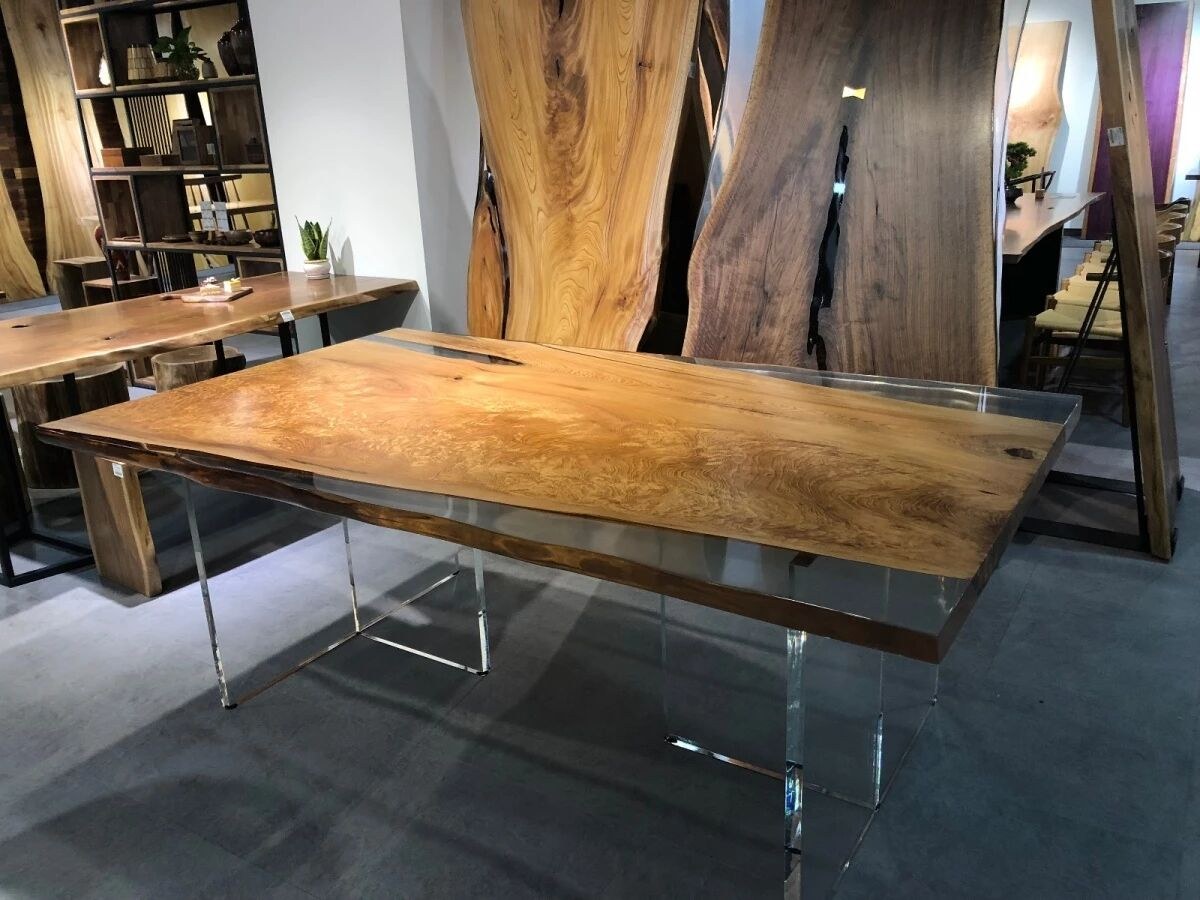
Yakusugi: A Thousand-Year Giant Buried in the Wild
In Japan there is a singular kind of cedar, revered as a sacred tree and known as yakusugi.
To earn the name yakusugi, a Japanese cedar must meet two conditions: it must grow on the island of Yakushima, and it must be at least a thousand years old.
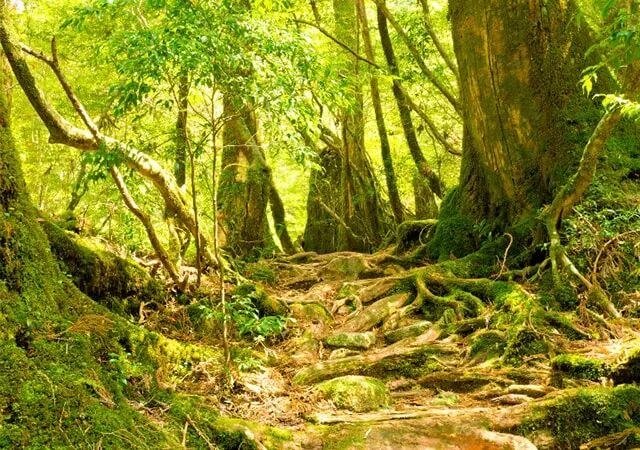
A thousand years — even in the immortal-cultivation novels people invent, that is about long enough for a minor spirit to take human form. For a tree to weather a millennium of wind and frost, rain and snow and not perish is rarer and more precious still.
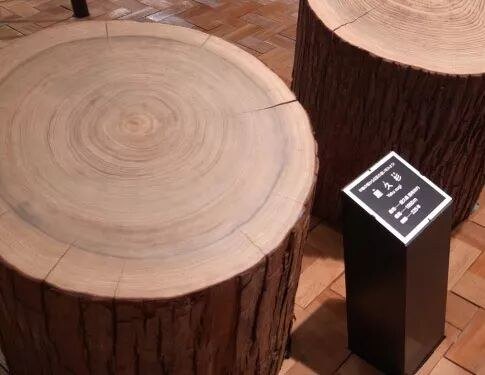
An ordinary Japanese cedar lives about five hundred years. It is Yakushima that makes yakusugi possible — and Yakushima that makes its rarity something no one can reproduce.
Yakushima is a round island off Kyushu, rising from the sea south of Kagoshima, covered in broad stands of old and vigorous cedar. Beside thousand-year yakusugi, cedars of a mere five hundred years are called small cedars by the islanders.
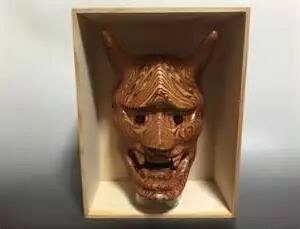
Its coastline is broken and complex; more than thirty peaks rise above 1,000 metres, and vegetation runs vertically from subtropical at the shore to subarctic at the summit. Japanese cedar generally grows above 500 metres. This singular geography gives Yakushima high humidity and heavy rain — historically, a single day's rainfall there has matched a year's in Hokkaido, and locals joke that it rains thirty-five days a month.
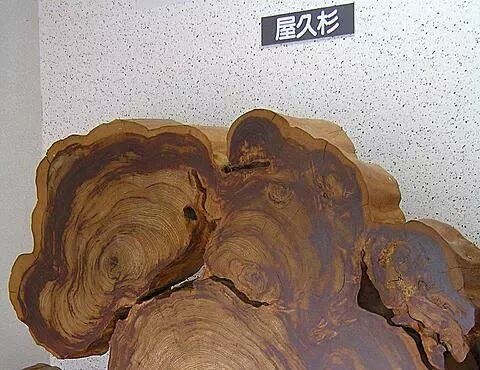
That humidity and heavy rain give yakusugi its resin-rich, decay-resistant character and its long life. Many are over two thousand years old, standing straight-backed on steep slopes like a brisk old grandfather, watching macaques and deer play like children.
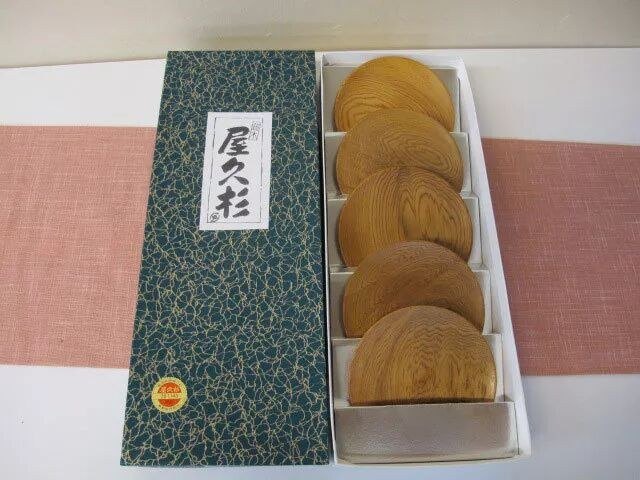
Yakushima's poor granite geology is another factor: the trees must strain to draw nourishment from the soil and grow slowly and surely, and that is what gives yakusugi its tight, fine grain.
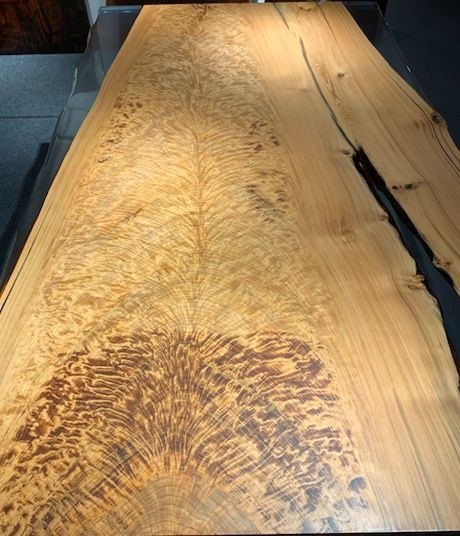
Rich in oil, solid and fine, yakusugi is a premium material for shipbuilding and construction — and, no less, for fine crafts and furniture.
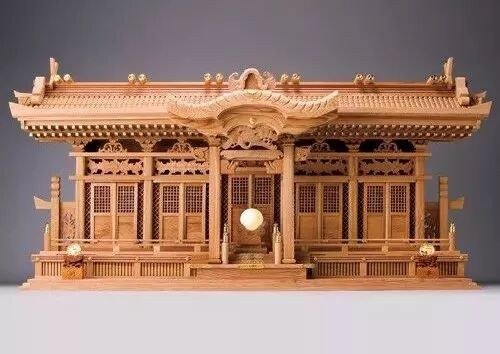
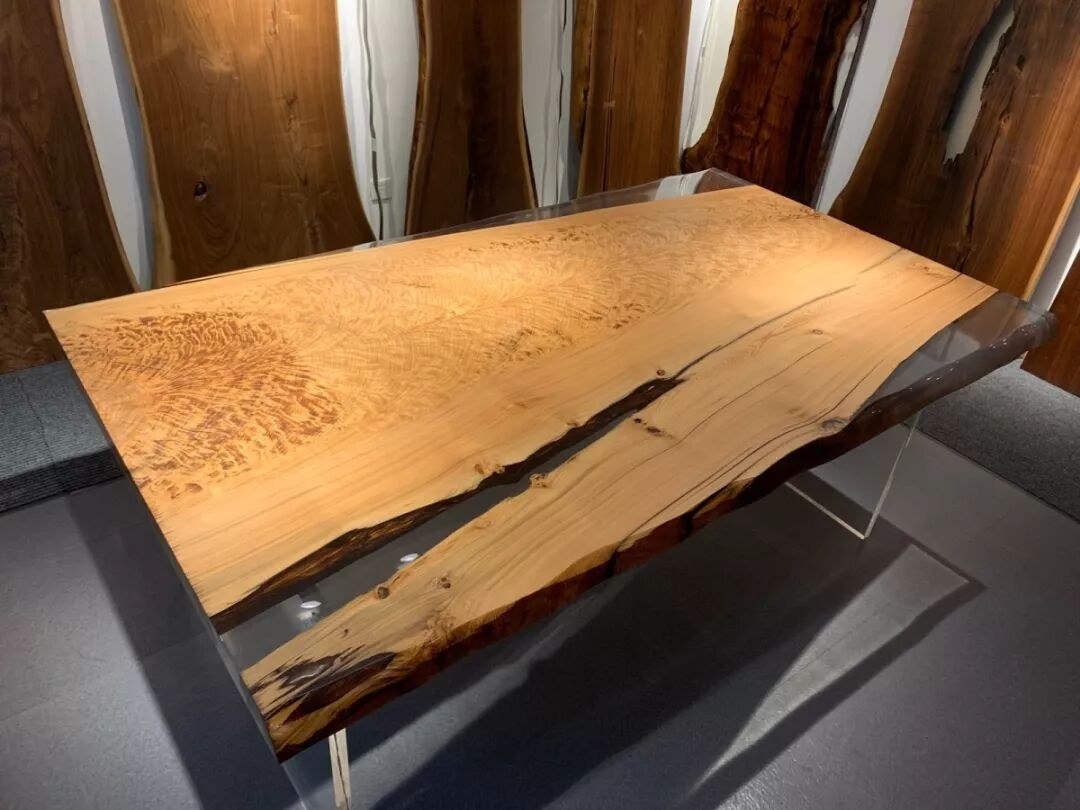
▲ A thousand-year sacred yakusugi kamidana, five-shrine frame, horizontal format
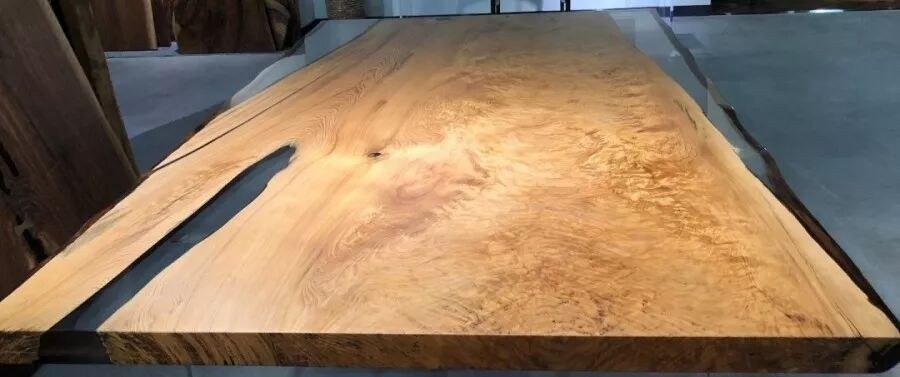
▲ Yakusugi craftwork
But this also brought disaster. Large-scale logging of yakusugi began in 1640, and by the time the Meiji government (1862–1912) restricted felling and nationalised the yakusugi forests, it was too late. By 2001, wild yakusugi outside special protected areas had been almost entirely cut.
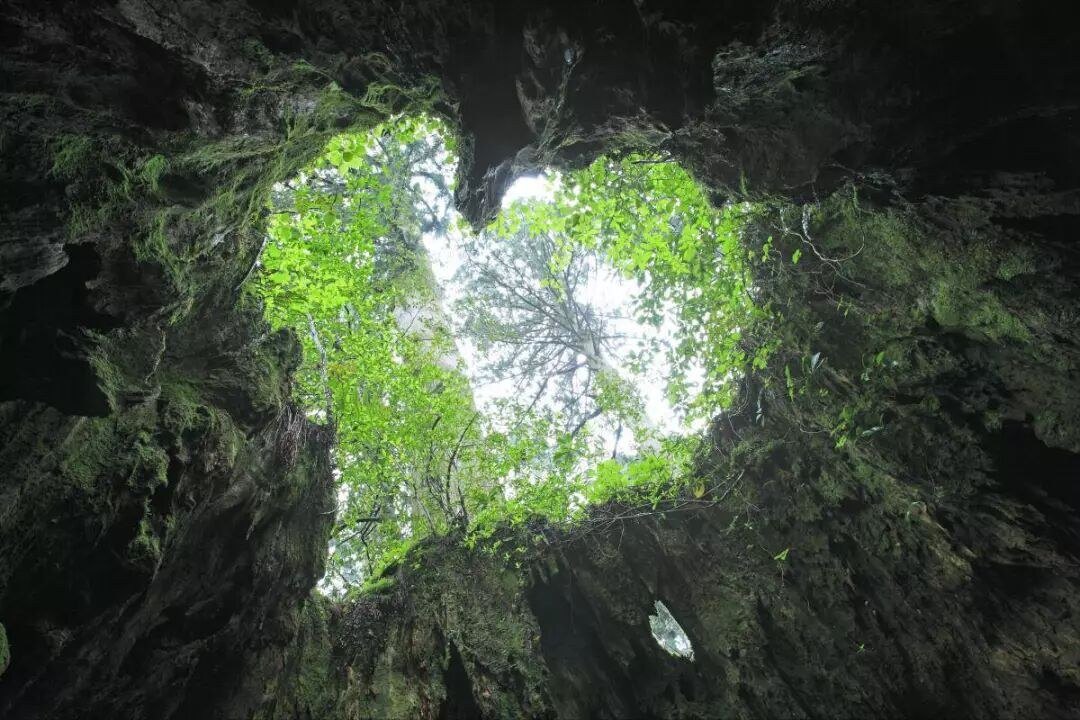
▲ A great hollow in a Yakushima tree; from one angle it reads as a heart
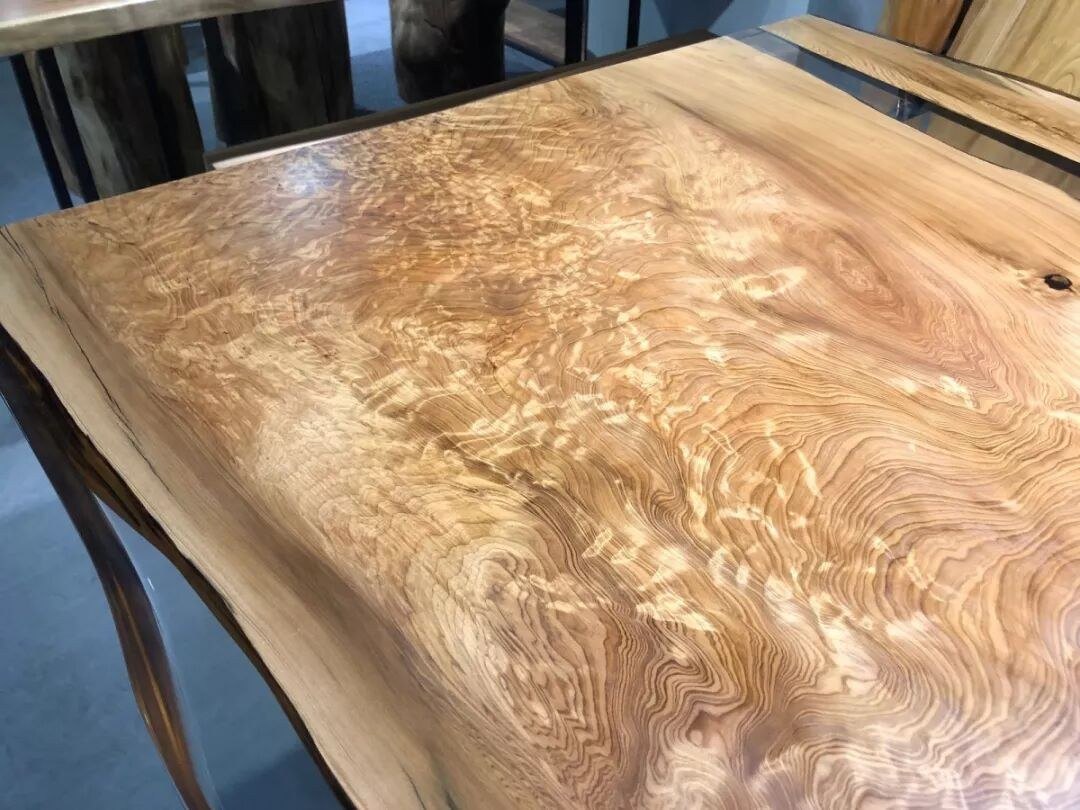
Felling is now prohibited. Only old stumps left behind, and trees brought down by typhoon or lightning, may be used commercially. Yakusugi has grown rarer still in consequence, and is called doma iboku — the ink a wild field leaves behind.
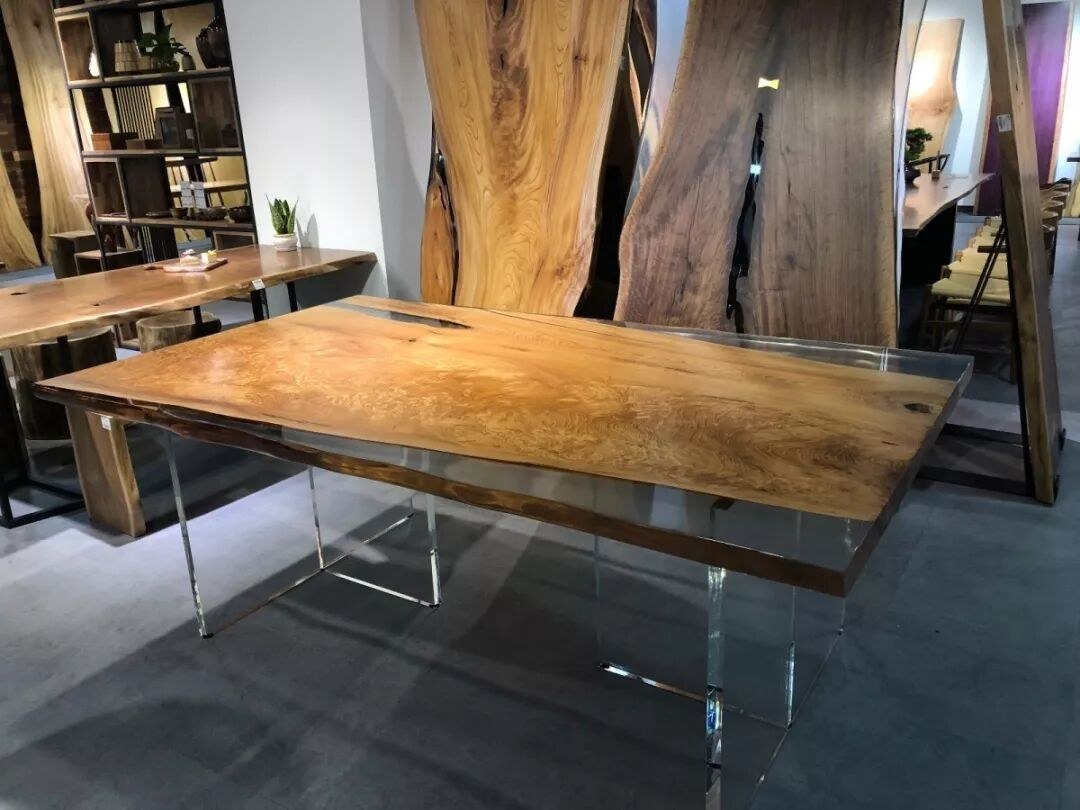
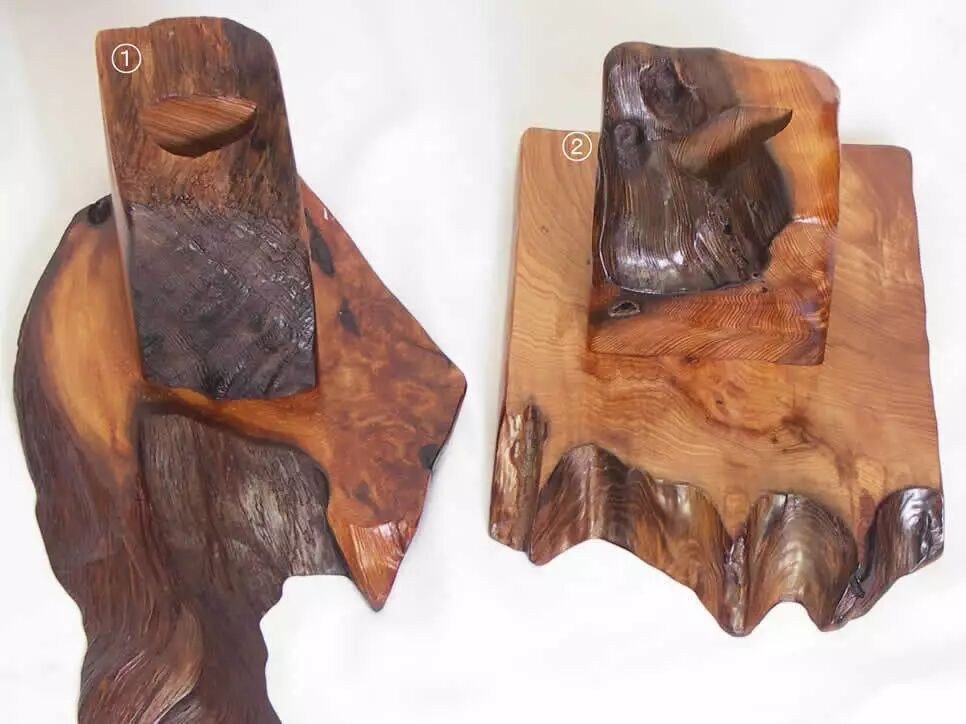
Yakusugi slab 1
Guangzhou store
Price: RMB 320,000
Address: J116, Ground Floor, Jisheng Weibang, Panyu, Guangzhou
Yakusugi slab 2
Shenzhen store
Price: RMB 310,000
Address: 1C072-1C073, 1/F, Phase I, and 6018-6020, 6/F, Phase II, Shenzhen Art Exhibition Centre

SEELAND WOOD LTD
B Block, Southern Ninth Street, Qiaotou Town, Dongguan city, Guangdong Province, China