WHAT ARE YOU LOOKING FOR?
WHAT ARE YOU LOOKING FOR?
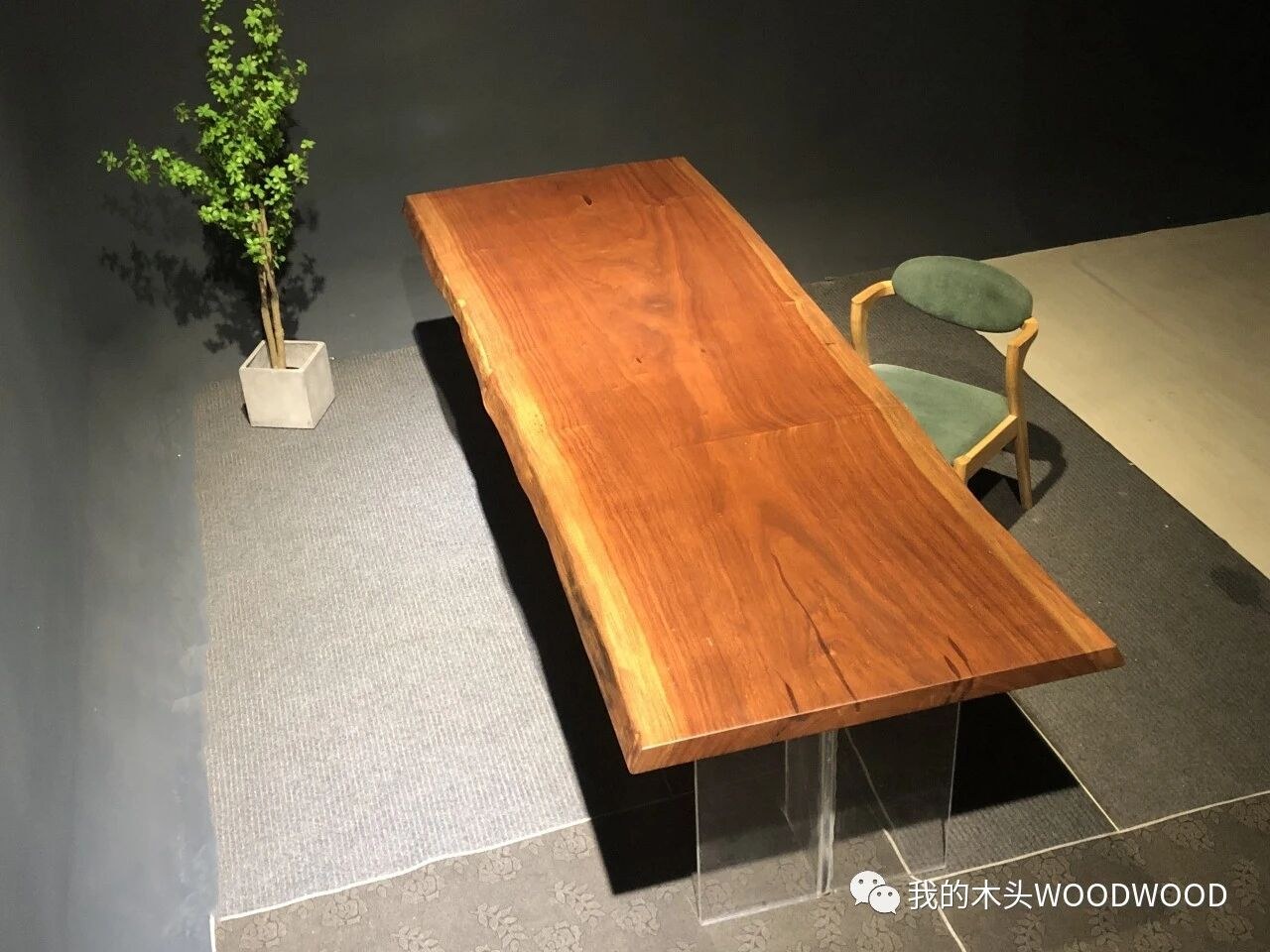
Drifting Through Comfortable Space and Time: A Refined Presence, Renewed - Keranji
A dense, finely textured wood from Southeast Asia and Africa, keranji offers a rosewood-like depth of colour and mellows to a golden lustre with age.
As society advances, modern homes lean toward wood tones that can hold luxury, elegance, harmony, comfort and romance at once - a wood such as keranji.
Keranji
English name: EYOUM
Other names: Congo Rosewood, South Seas Red Sandalwood, Dalidou
Botanical name: Dialium spp.
Origin: Southeast Asia, tropical America and Africa
Sapwood: sharply defined
Typical colour: reddish brown
Air-dry density: 0.94 g/cm3
Compressive strength: 90 MPa
Modulus of rupture: 162 MPa
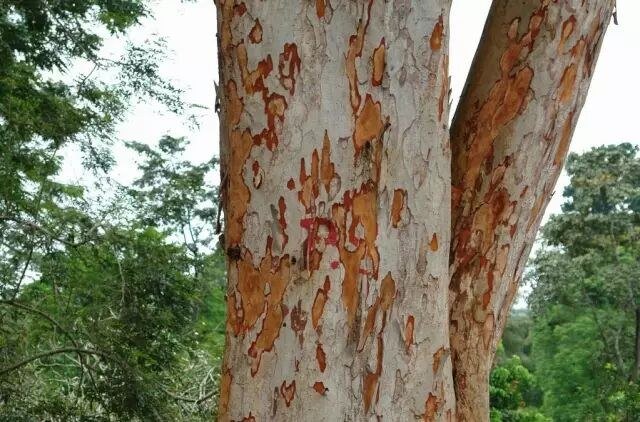
Keranji is a tree of the genus Dialium, which numbers some 40 species. Its outer bark is grey-white or grey-brown and flakes off in small pieces; the surface shows shallow pits densely set with small round pores, and the inner bark is red-brown or dark brown.
When freshly cut, keranji heartwood is pale golden brown and the sapwood white. Over time the heartwood turns brown or reddish brown, and the sapwood light brown.
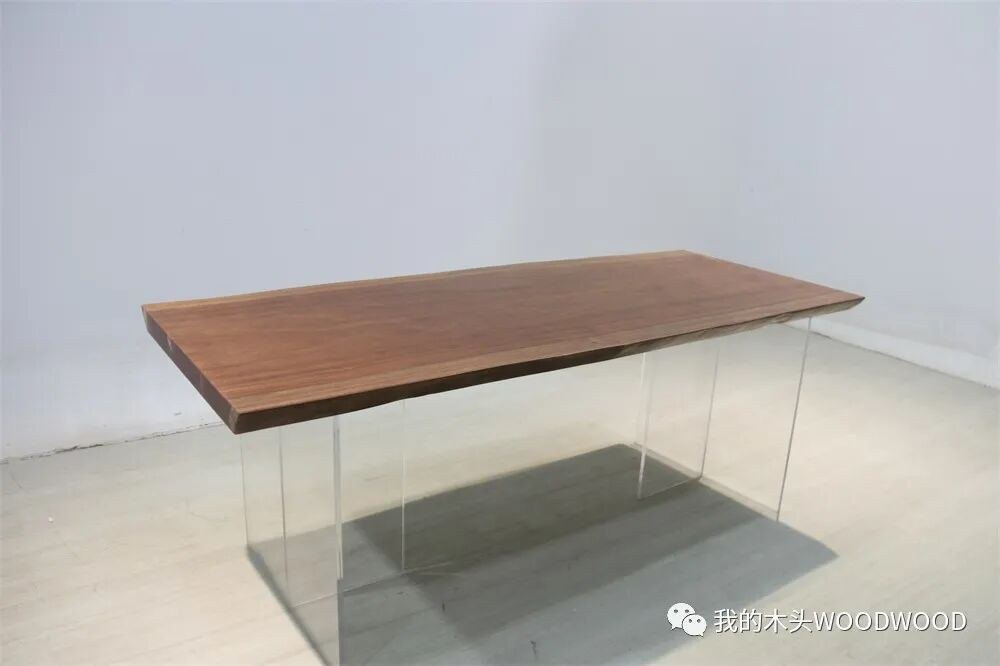
'My Wood' Keranji slab - sourced in Congo, Africa
Because of its high density, keranji is not easy to work and demands hard tooling - carbide-tipped tools, for instance.
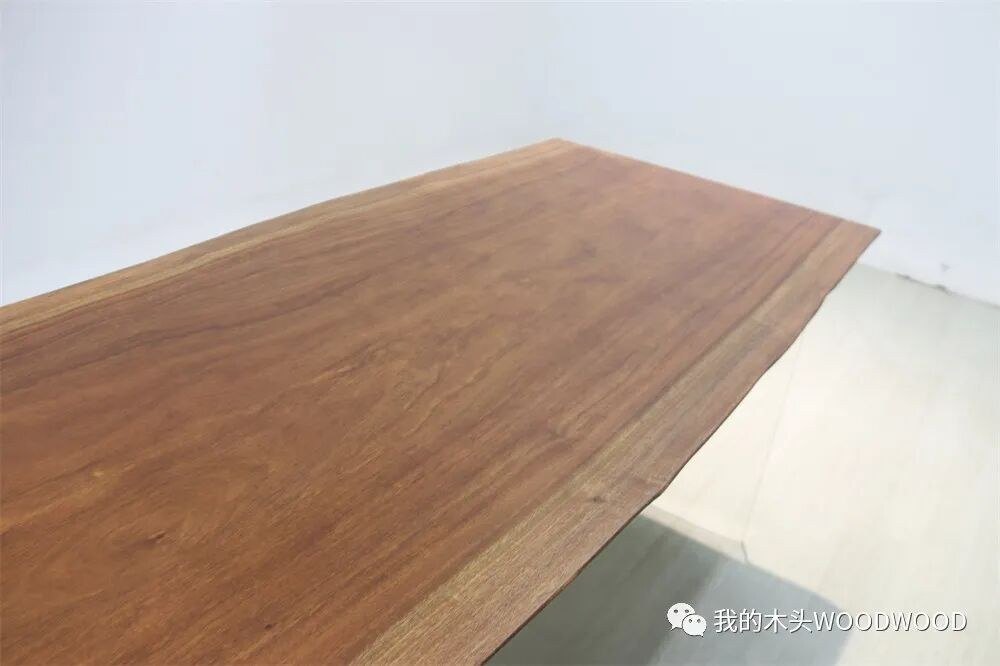
Growth rings are hard to make out in keranji; its greatest appeal lies in the lustre of the wood and its exceptionally fine, even structure. It serves for furniture and building material, but thanks to its outstanding durability and hardness it is used even more in infrastructure - freshwater works, bridges, bridge decks, sheet piling and piles.
In furniture making, because keranji shares the structure and appearance of rosewood, it was long used as a substitute in traditional hardwood furniture.
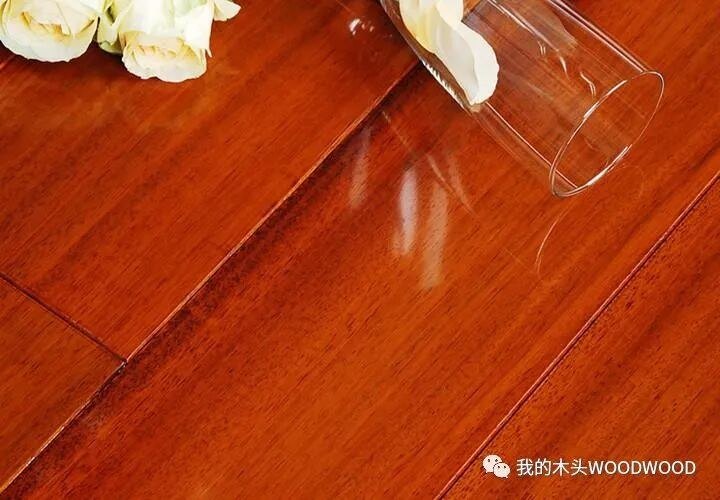
Many newcomers to solid timber easily confuse the two woods, but in practice there are a few simple ways to tell them apart.
'My Wood' Keranji slab - sourced in Congo, Africa
How to Tell Keranji from Rosewood
Pores
Keranji's pores are visible to the naked eye, mostly solitary, relatively few and filled with pale deposits; in black rosewood the pores are far less obvious.
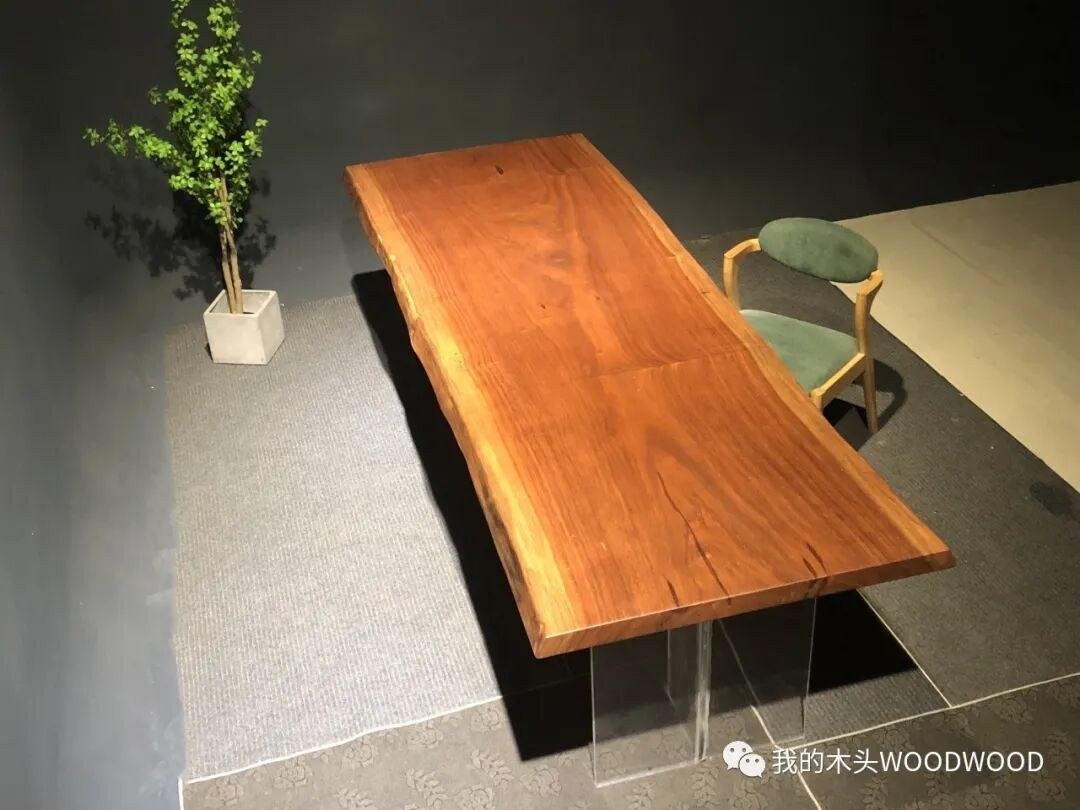
Colour
Black rosewood heartwood is chestnut brown, often with dark stripes; keranji heartwood is red-brown to dark brown, with fine dark concentric lines.
Scent
Black rosewood carries a faint sour-sweet scent; keranji has none.
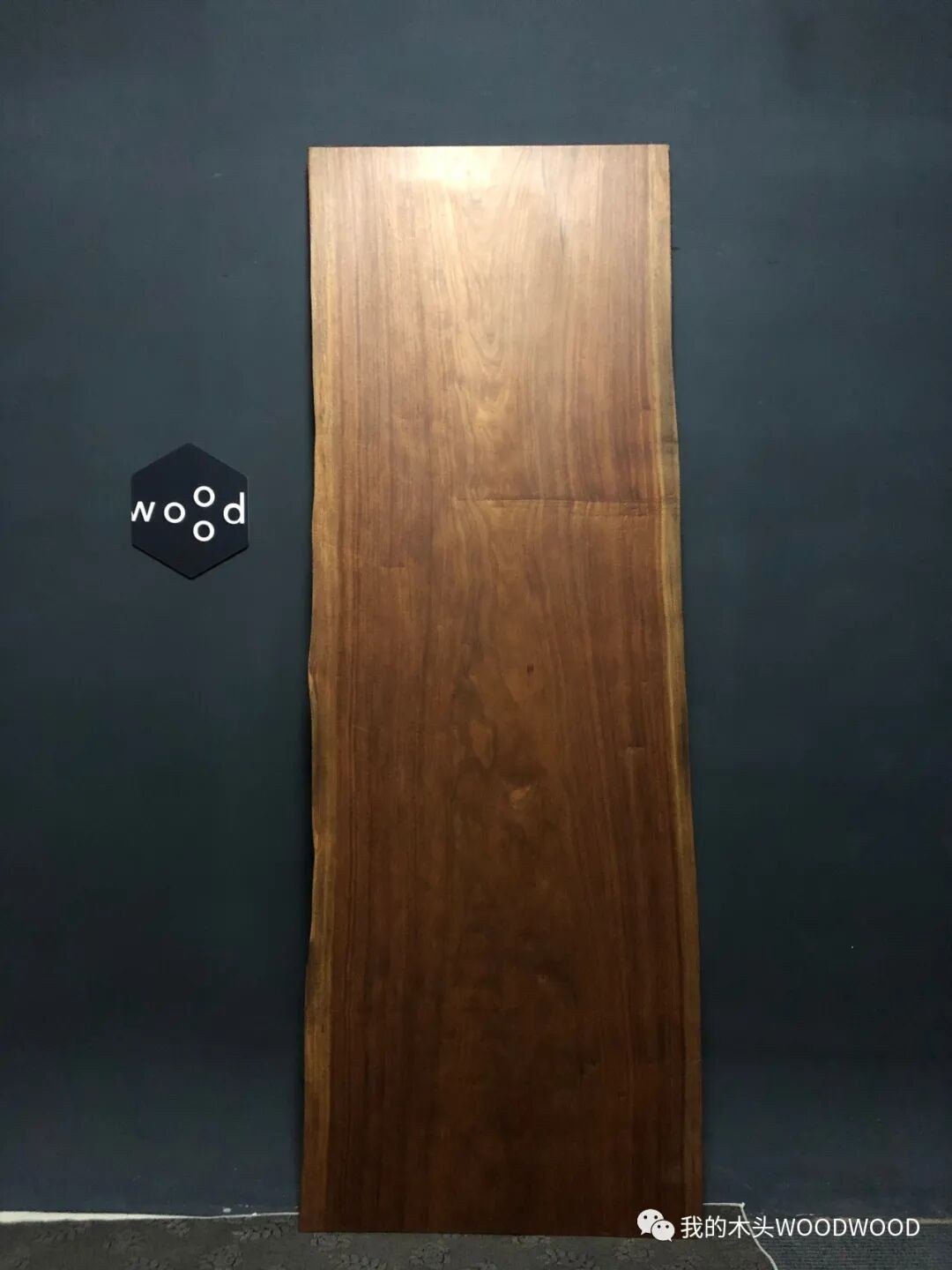
Set aside any prejudice born of comparison: keranji's own expressiveness is, in truth, quite outstanding.
Take the keranji slabs at 'My Wood': after a wood wax oil finish, the surface shows graceful ink-black lines and dappled pools of oil, a lustrous sheen and even colour - understated, and quietly refined.
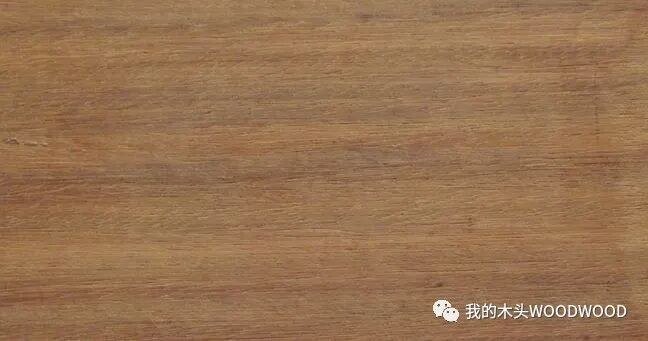
Perfectly at home with both minimal and classical moods, keranji is a rare asset for light Chinese or Japanese interiors.
'My Wood' Keranji slab - sourced in Congo, Africa
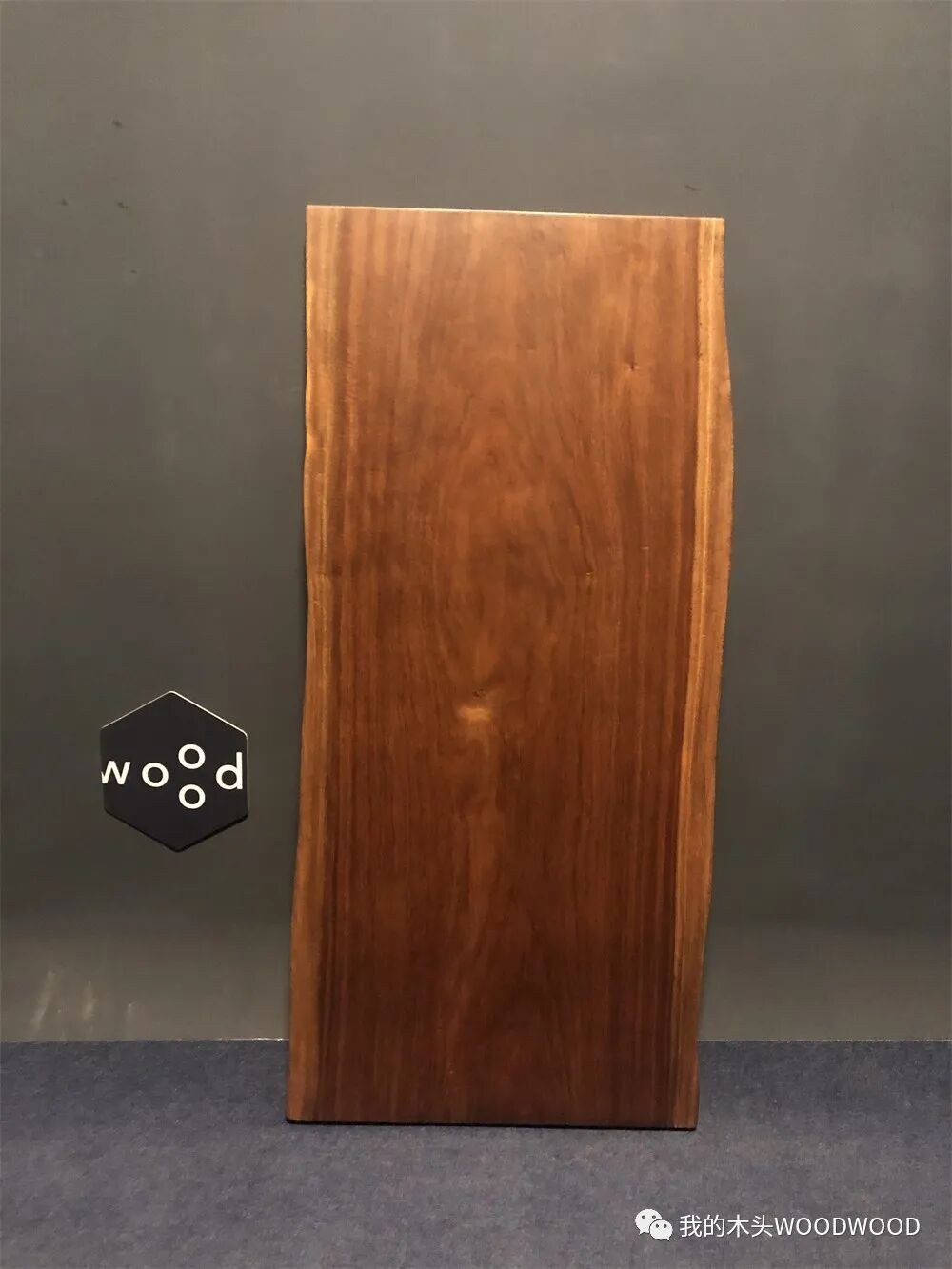
Worth noting: over time the planed surface of keranji furniture oxidises to a golden yellow, the oils it releases grow brighter and the surface feels even smoother.
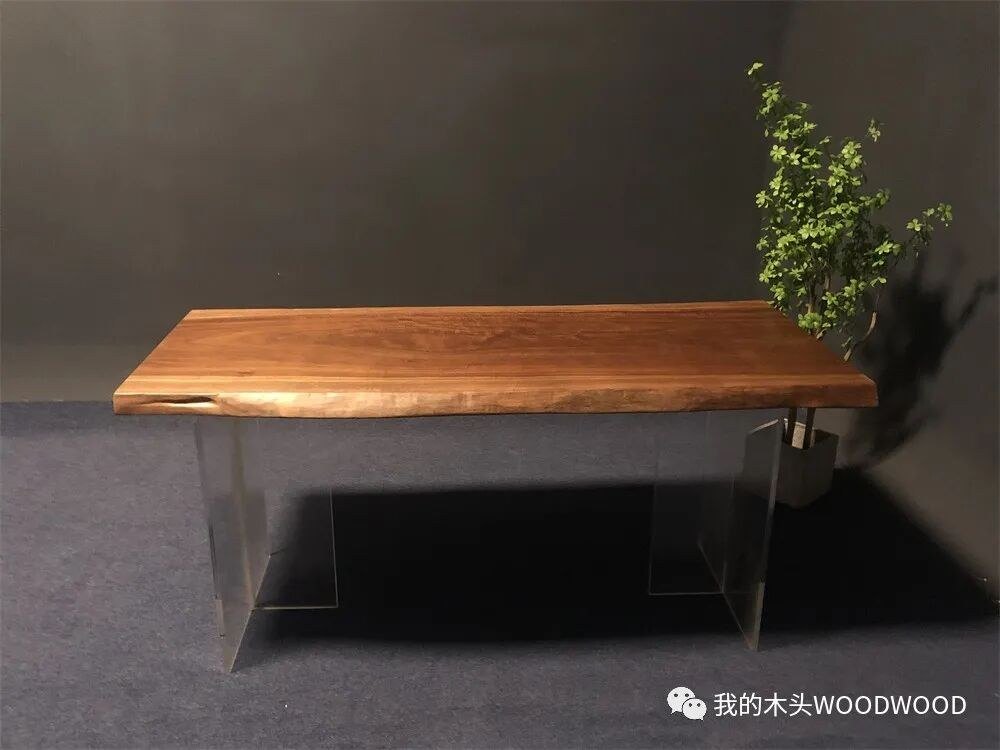
Used generously through a space, keranji can also temper the visual clutter of furnishings in mixed colours and materials.
'My Wood' Keranji slab - sourced in Congo, Africa
Where the heart leads, the plain shoe follows.
Light and dark wood tones interweave
Back to the source
Back to a human-centred space
Only then does a life of ease and release reveal itself......

SEELAND WOOD LTD
B Block, Southern Ninth Street, Qiaotou Town, Dongguan city, Guangdong Province, China