WHAT ARE YOU LOOKING FOR?
WHAT ARE YOU LOOKING FOR?
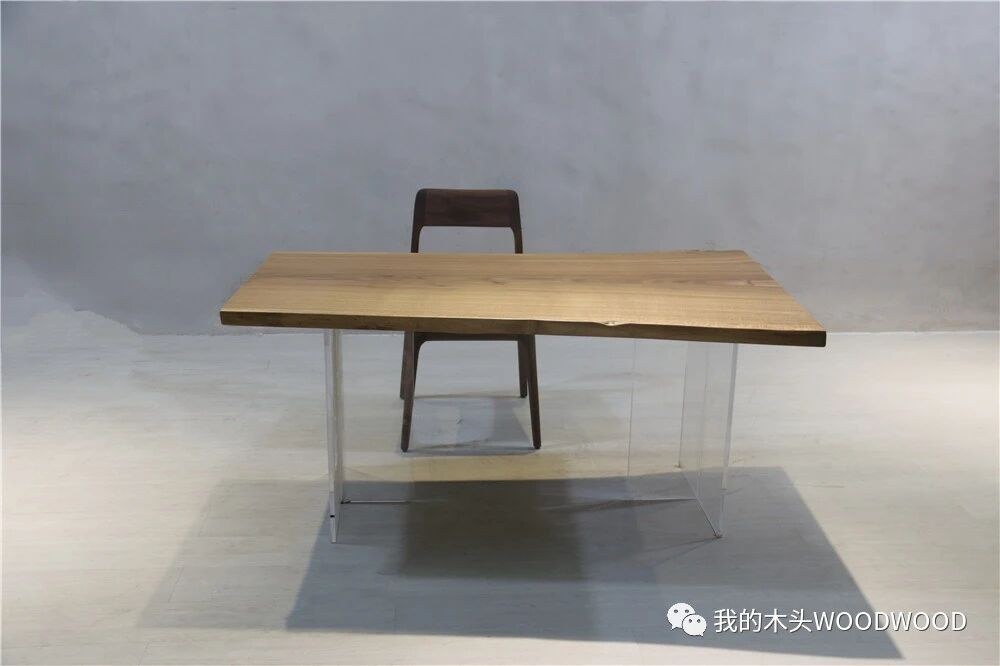
Japanese Oak: Rustic Simplicity Meets Modern Style
The wood behind Japan's most coveted whisky casks — hard, water-resistant and quietly beautiful, it has become a fixture of European interiors.
Anyone who enjoys Japanese whisky will know the name Mizunara — the Japanese oak cask.
As Japanese whisky rose sharply in the 1980s and again over the past dozen years, and labels such as Hibiki and Yamazaki made their mark internationally, Mizunara casks became famous — widely credited as the chief source of the "Eastern element" in Japanese whisky.
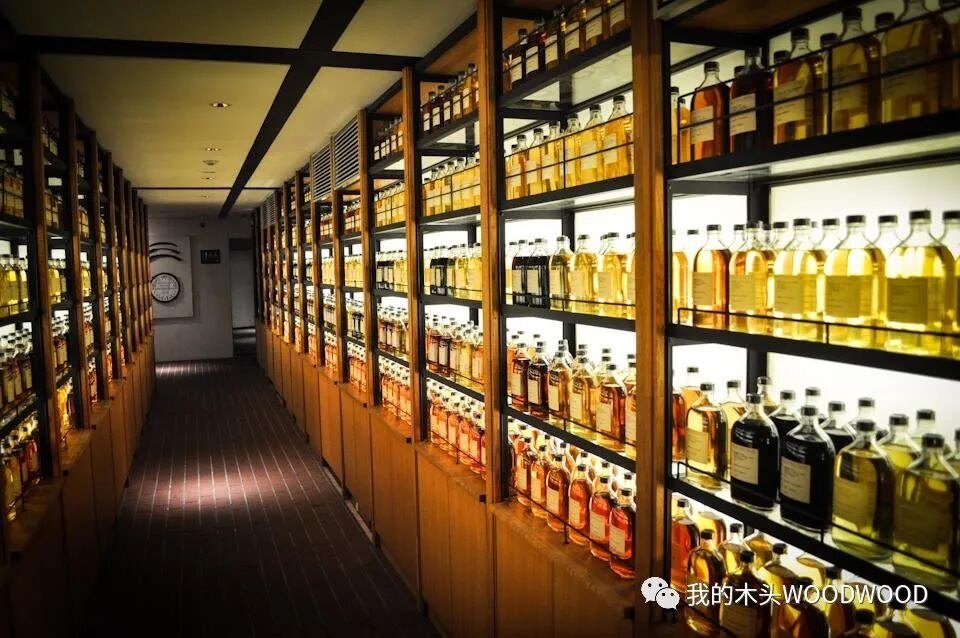
In recent years Mizunara casks have occasionally come up at auction. Heavy demand from the trade and the wood's singular character keep prices high: a single cask now costs more than US$6,000.
Oak is fine-textured and highly water-resistant. In Japan it is used not only for casks but widely in building and household materials.
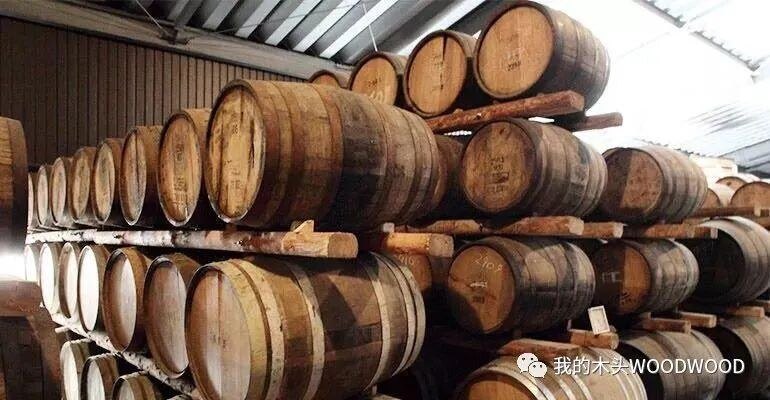
Because oak tears less readily and is hard, and because felling methods in Japan were crude until the Edo period and the logs hard to work into timber, it was seldom used for wood products.
Later, as large sawmills became common, felling oak grew easier. Only then did it come into wide use in Japan and become widely known.
Today the wood is mostly exported overseas as "Japanese oak", also called nara. As a hard, dense board it is much in demand in the global home and building market, and has become an indispensable material in many European design schemes.
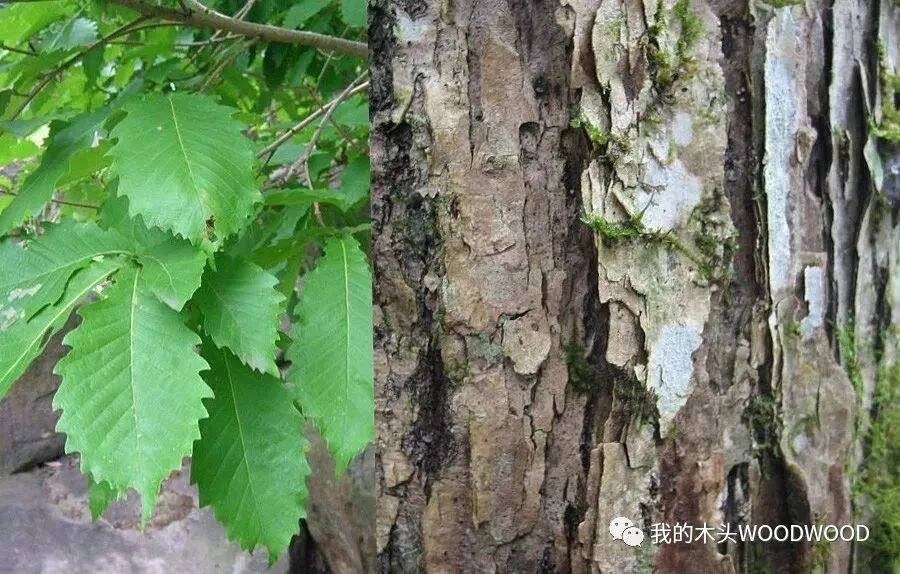
Six strengths of Japanese Oak
First, the wood is hard, with high density; after special processing Japanese Oak becomes still more resistant to decay.
Second, natural, environmentally sound and healthy — the raw material is taken from natural timber.
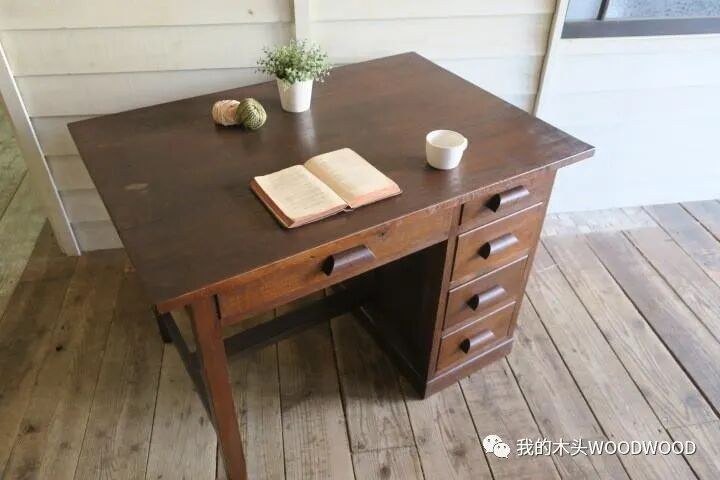
Third, antibacterial and rot-resistant, and reluctant to hold dirt.
Fourth, its relatively high density means it absorbs little water, so it is often used for premium bathroom vanities.
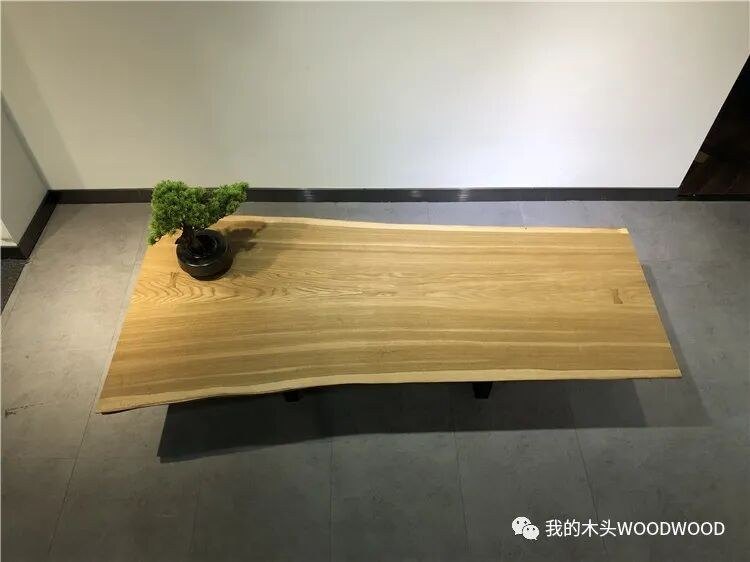
Fifth, Japanese Oak is supple and highly workable, with considerable visual appeal and plasticity of form — qualities that answer the demands of a wide range of customers.
Sixth, hard-wearing and resistant to abrasion and decay: Japanese Oak is heavy and hard, with straight grain and coarse structure, and its mechanical strength is high.
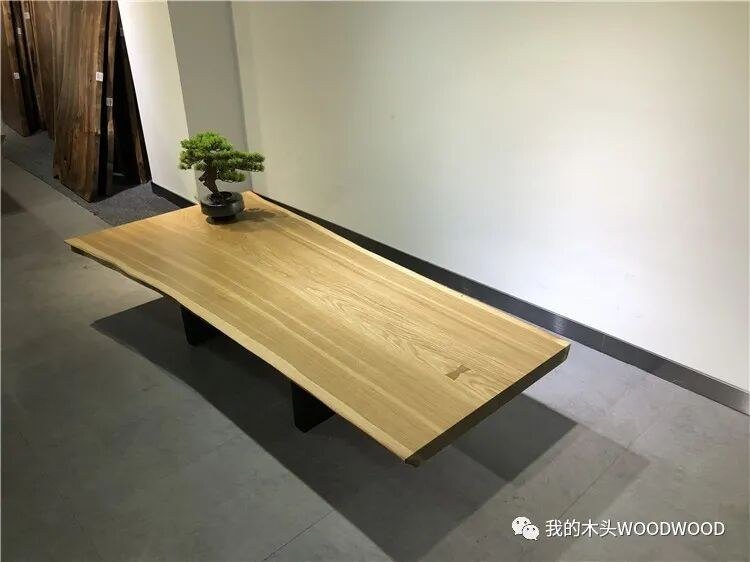
Furniture made from Japanese Oak has a pale, light tone, an even, tight texture and a beautiful, distinctive figure with strong decorative effect. It raises the tone of a room and leaves an impression at once simple, rustic and modern.
"My Wood" Japanese Oak slabs
In both appearance and quality, furniture in Japanese Oak stands comparison with rosewood — at a fraction of the price.
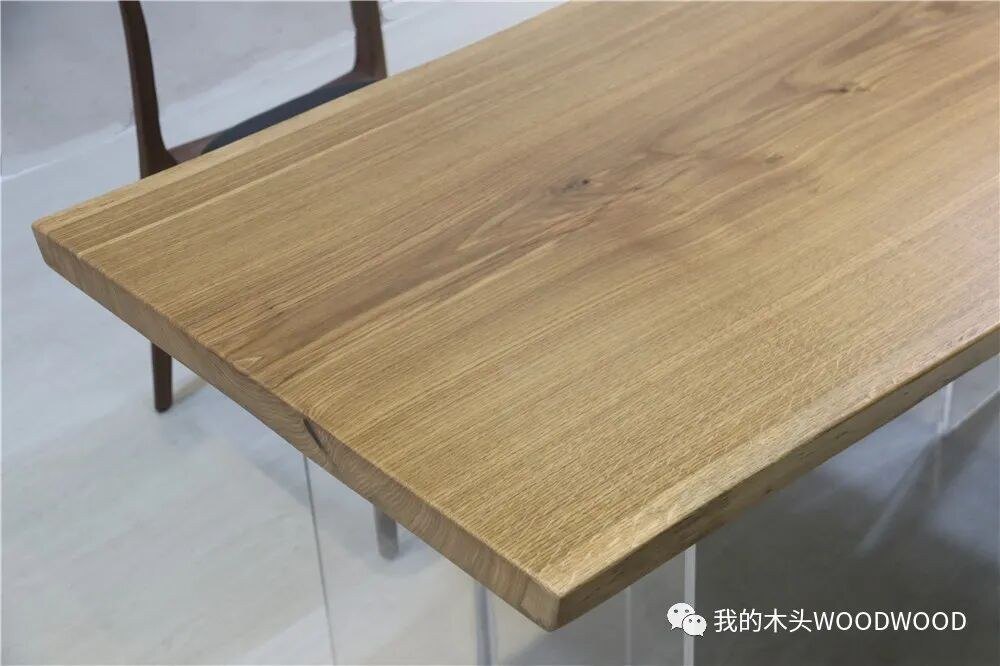
It has one "big problem", though: it grows slowly, so a resource cycle is hard to sustain, and good boards are becoming scarcer.
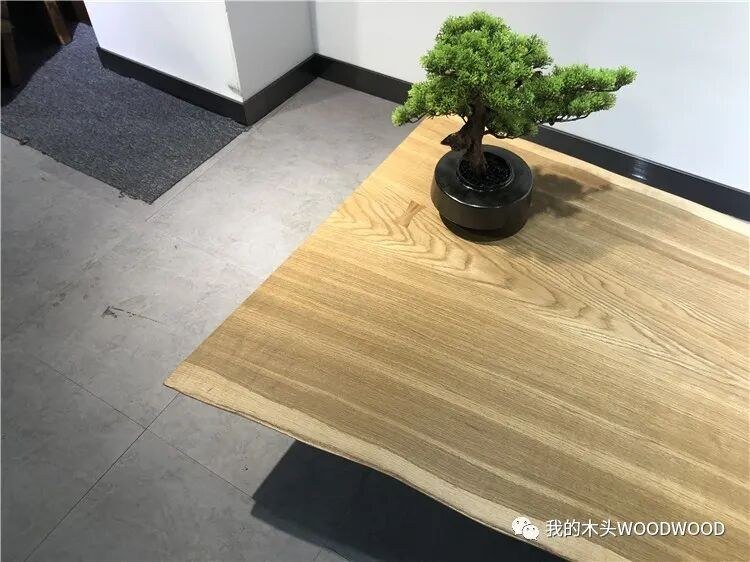
On top of that, the great majority of Japanese Oak tables in showrooms today are edge-glued panels, generally 2 to 4 cm thick. A single-piece slab such as those "My Wood" produces is exceptionally rare.
"My Wood" Japanese Oak slabs
A one-piece Japanese Oak slab table places very high demands on craftsmanship, and it takes time to come good.
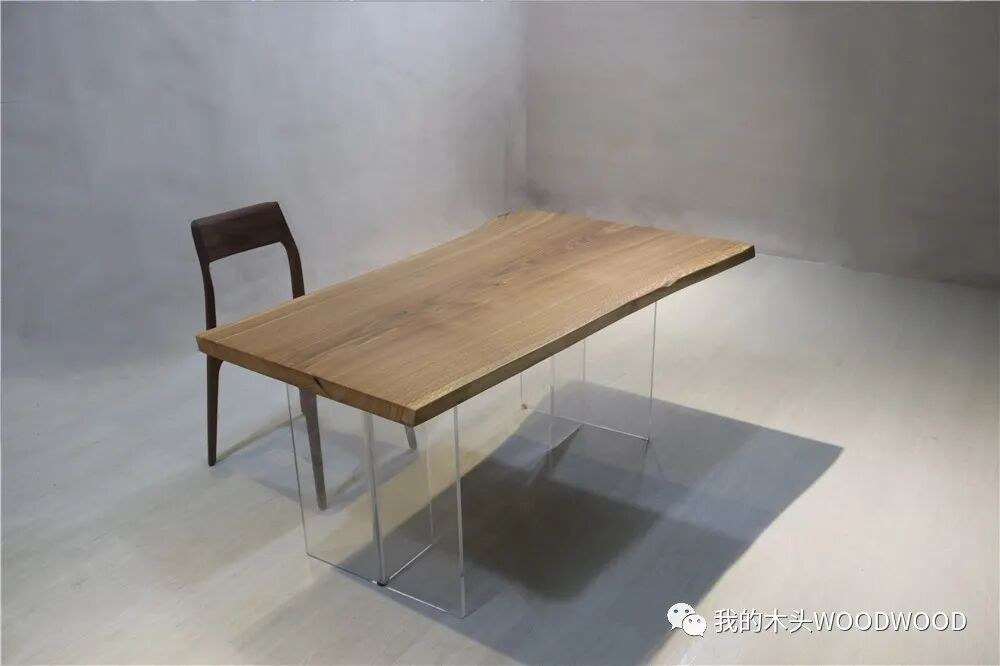
That broad, weighty natural presence — fine and soft — is something you never tire of living with.
The "My Wood" app is now live!
The "My Wood" app
A wide choice of pieces
Introductions to many species
Product information updated in real time, so you can buy with confidence.
Search for "My Wood" in your phone's app store.

SEELAND WOOD LTD
B Block, Southern Ninth Street, Qiaotou Town, Dongguan city, Guangdong Province, China