WHAT ARE YOU LOOKING FOR?
WHAT ARE YOU LOOKING FOR?
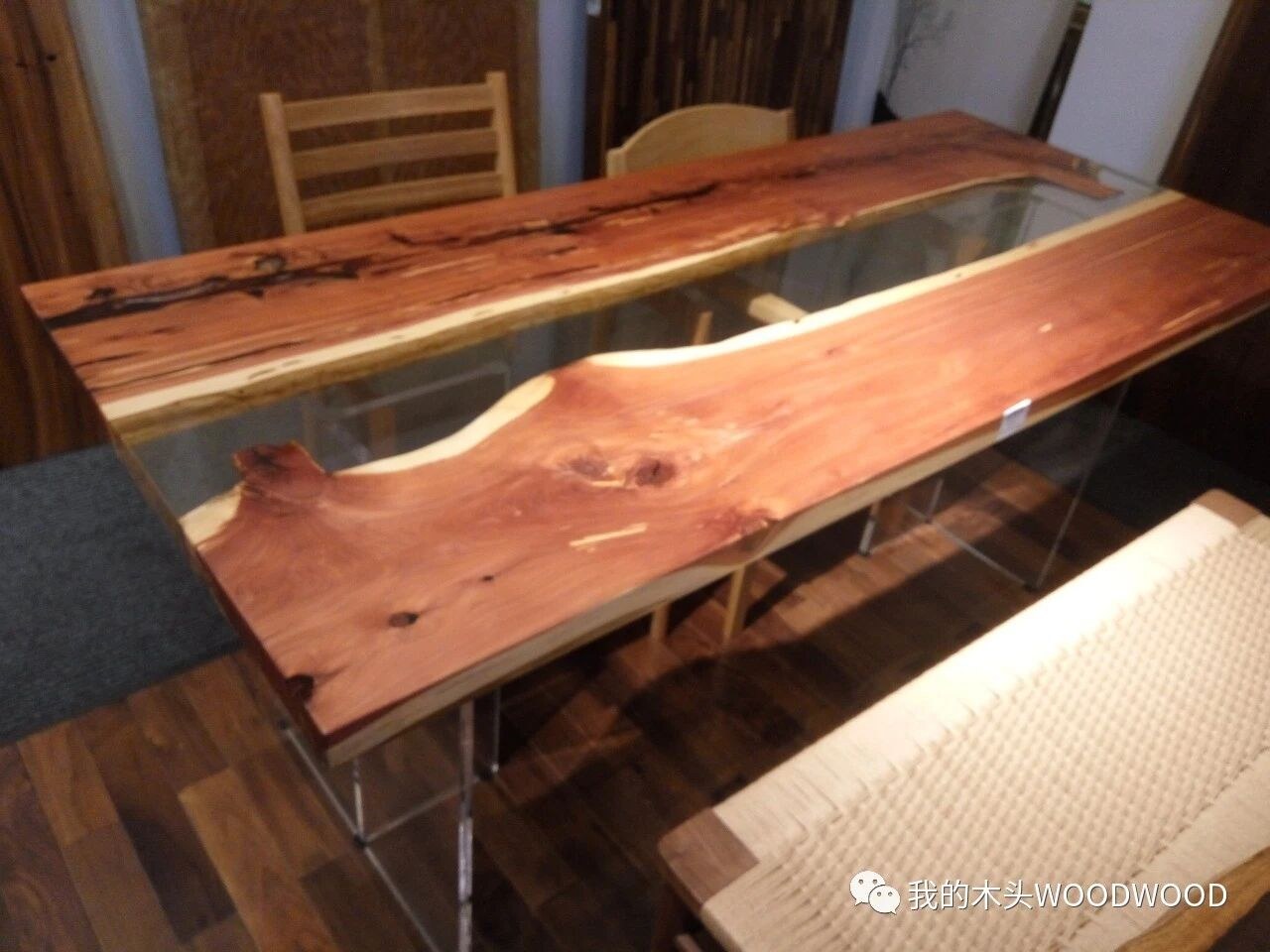
Wood as Graceful as a Violin's Voice: Western Red Cedar
Light, fragrant and beautifully workable — a cedar whose colour and voice have won over luthiers and interiors alike.
Special, Unique, Natural
How “My Wood” positions its rare slabs — in short, SUN.
S: Special. The species, the grain, the form — each slab carries a natural character that is entirely its own.
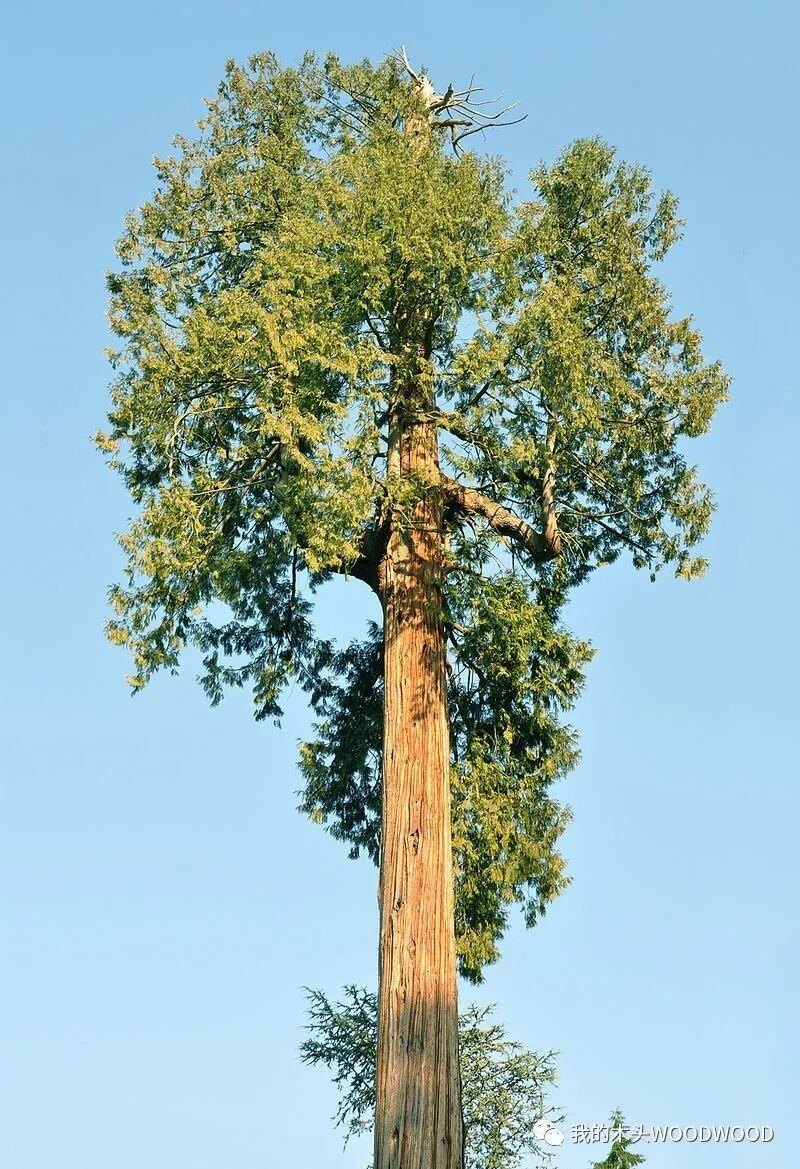
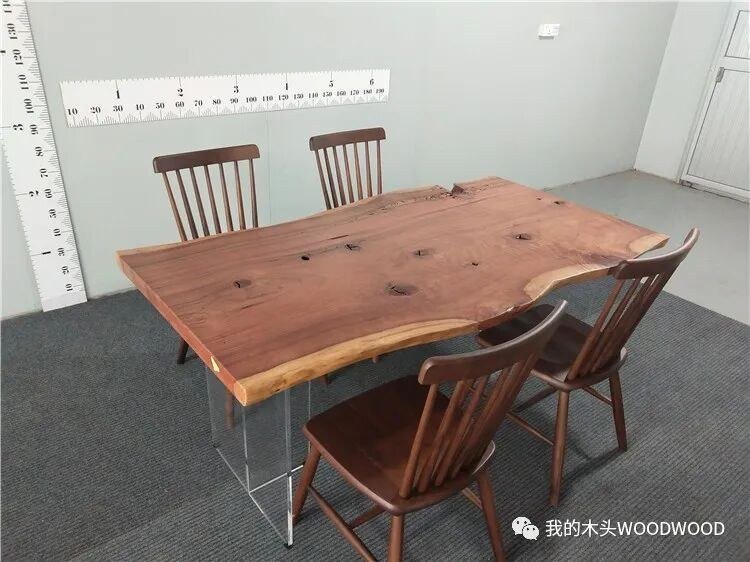
U: Unique. Every slab is one of a kind, singular and impossible to reproduce.
N: Natural. We use the simplest possible craft to preserve the slab's own grain and natural form.
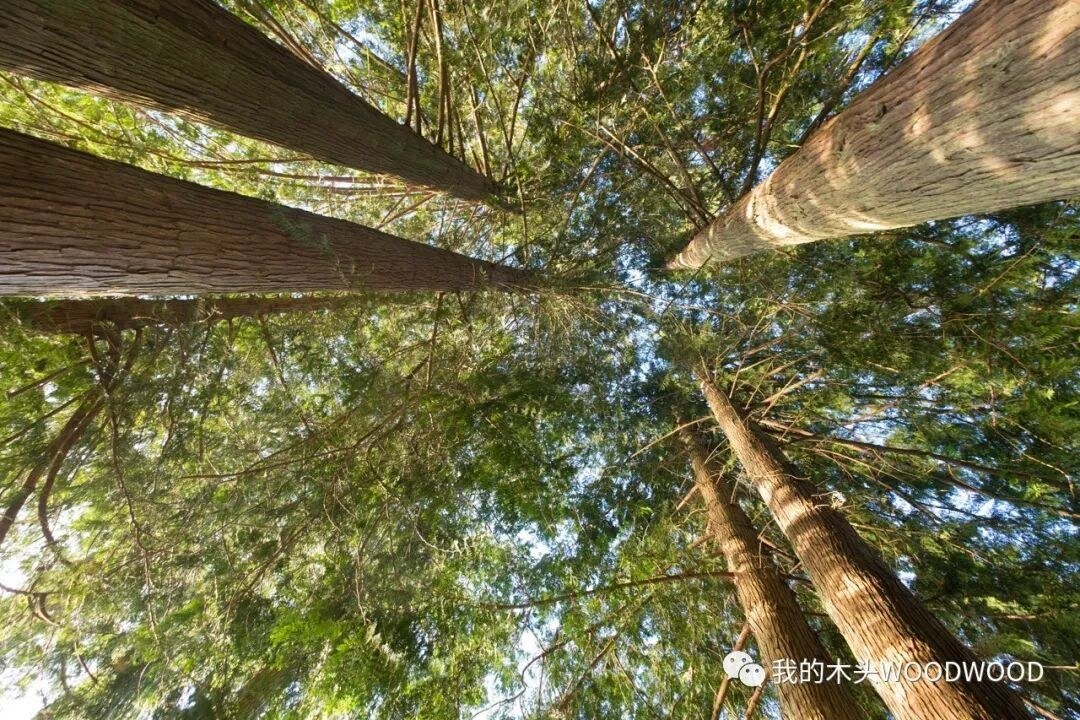
Western Red Cedar
Also called red arborvitae
Scientific name: Thuja piliata
Division: Gymnospermae
Class: Coniferopsida
Order: Pinales
Family: Cupressaceae
Genus: Thuja
Species: Thuja occidentalis (northern white cedar)
The species: Western Red Cedar
Western red cedar, Thuja piliata, belongs to the cypress family, genus Thuja, and is native to the mountains and valleys of North America below 2,000 m. It likes light but tolerates some shade, is moderately cold-hardy and undemanding about soil — happiest in a humid climate and slightly acid ground, with some tolerance of salt and alkali.
A large tree, it reaches 70 m in its native range with a trunk diameter of up to 2 m. The bark is reddish brown with shallow, irregular vertical fissures; the major limbs spread level while the branch tips droop. Its foliage is a bright green, its form graceful and its growth fast — a high-quality timber species.
The wood: what to expect
The surface of red cedar is somewhat woolly and easy to work, though quartersawn stock is harder to bring to a clean finish; sharp, well-set tooling is essential. With lacquer, polishing, filling and staining, an excellent finish can still be achieved.
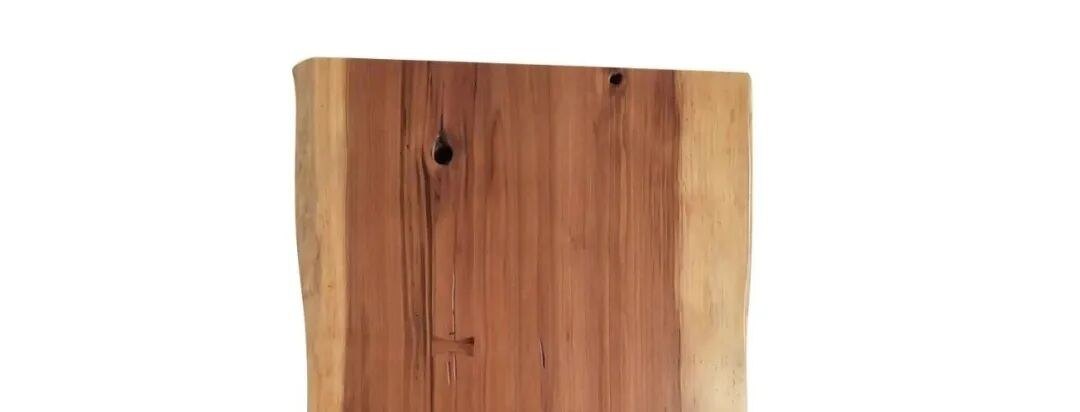
Red cedar also resists decay and high humidity and weathers well, and it can be air-dried or kiln-dried. Because it is relatively light and soft, thicker boards need care against surface checking and dents in making and in use, while thinner stock needs care against distortion.
In the home: colour and character
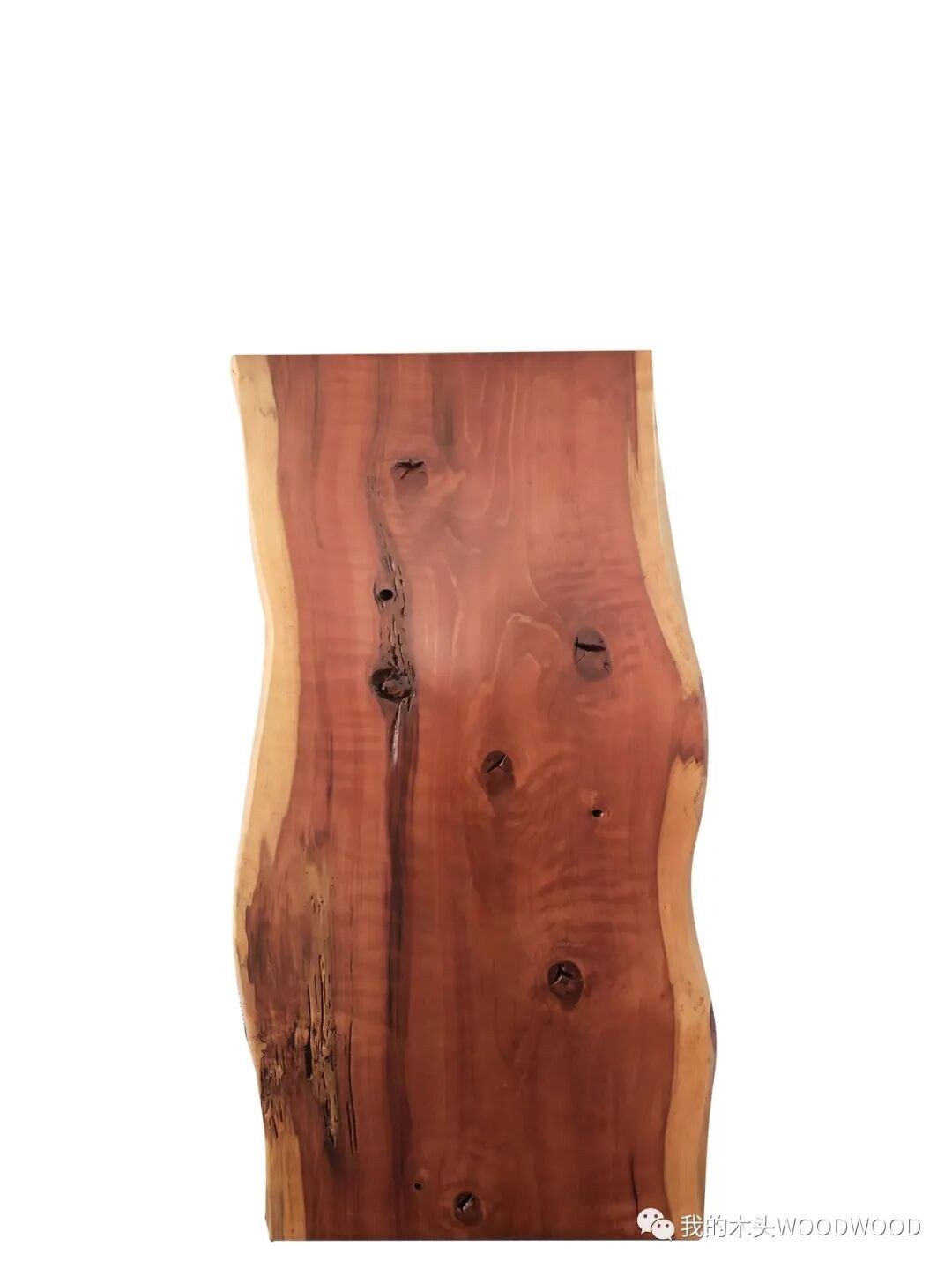
Red cedar takes colour beautifully: heartwood runs from pink to deep reddish brown, often with darker streaks, while sapwood is usually yellow-white to pale grey. It carries its own distinctive scent and a natural figure — sometimes wavy or interlocked — that can read like the back of a violin.
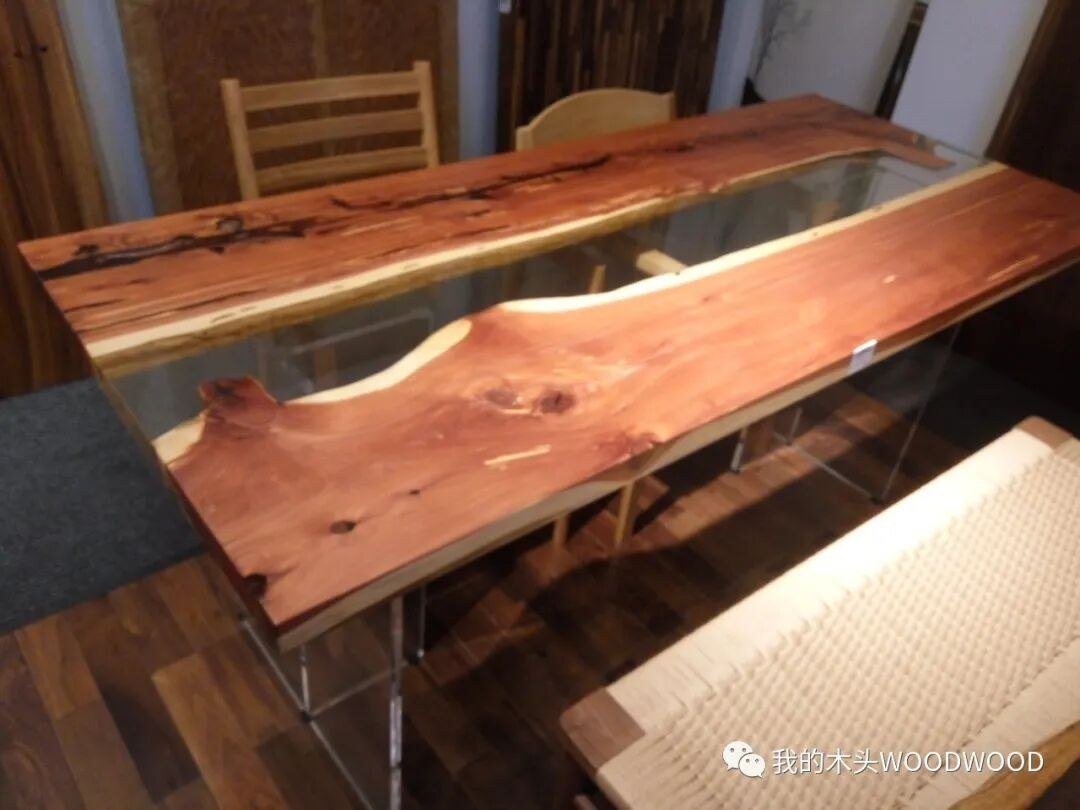
Interestingly, red cedar is genuinely suited to instrument making and is excellent for pianos and guitars. Instruments built from it have a full midrange and a warm, pleasing voice.
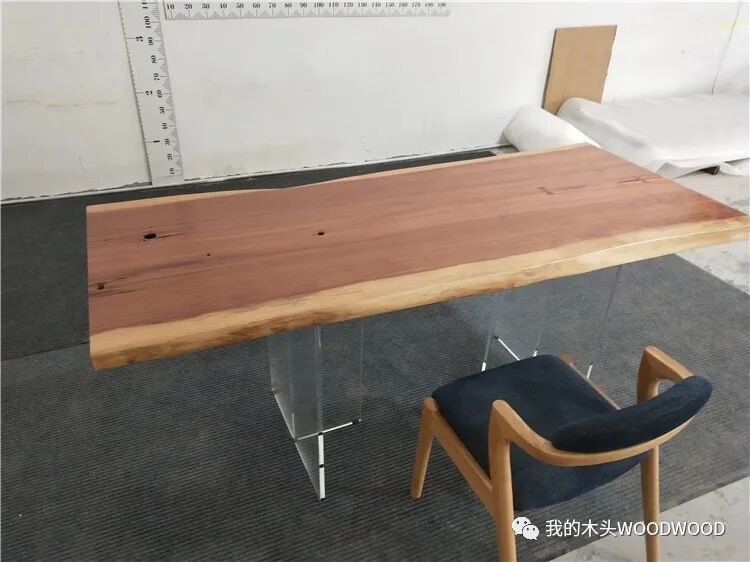
In the home, red cedar is both beautiful and a sound environmental choice. It is often used for high-quality joinery — ceilings, wall panelling, wardrobes, humidors and the like — quietly signalling the quality of a house.
The “My Wood” app is now live!
The “My Wood” app
A wide choice of products
Guides to a wide range of species
Product information updated in real time, so you can choose with confidence.
Search “My Wood” in your phone's app store.

SEELAND WOOD LTD
B Block, Southern Ninth Street, Qiaotou Town, Dongguan city, Guangdong Province, China