WHAT ARE YOU LOOKING FOR?
WHAT ARE YOU LOOKING FOR?
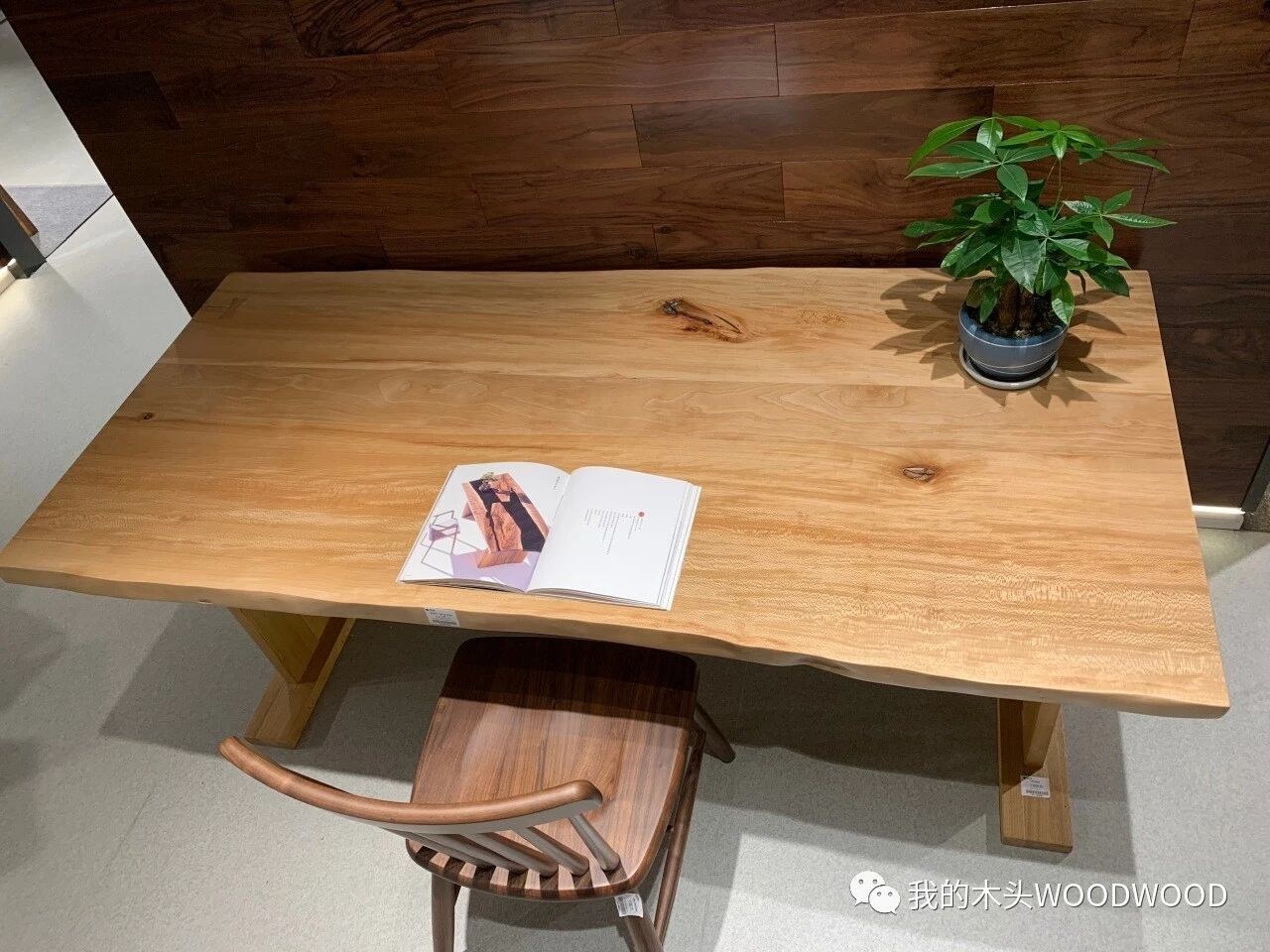
Also called the American plane tree, American sycamore is a hardwood of cream to pale yellow tones, interlocked grain and a silken sheen that brings a quiet, flowing shadow to any interior.
Rare, One of a Kind, Natural
The positioning of Woodwoodslab's rare live-edge slabs — simply SUN.
S: Special — a distinctive species; its grain and form give every slab a natural character all its own.
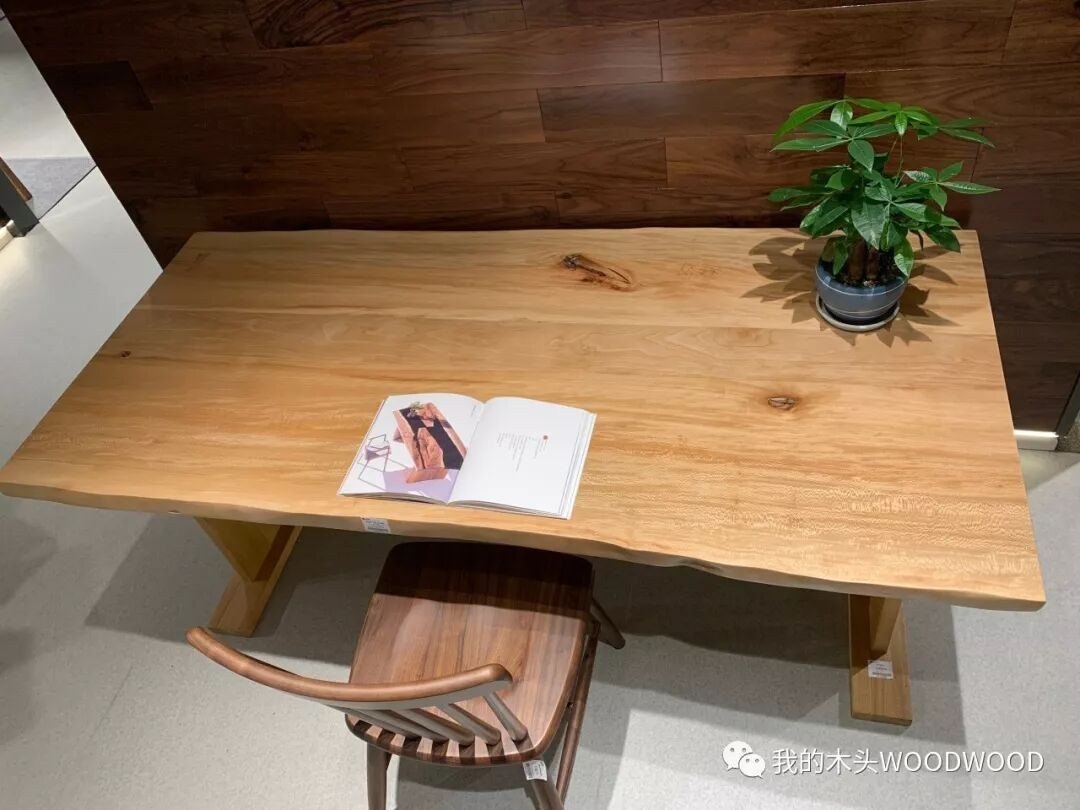
U: Unique — no two slabs are alike; each is singular and impossible to replicate.
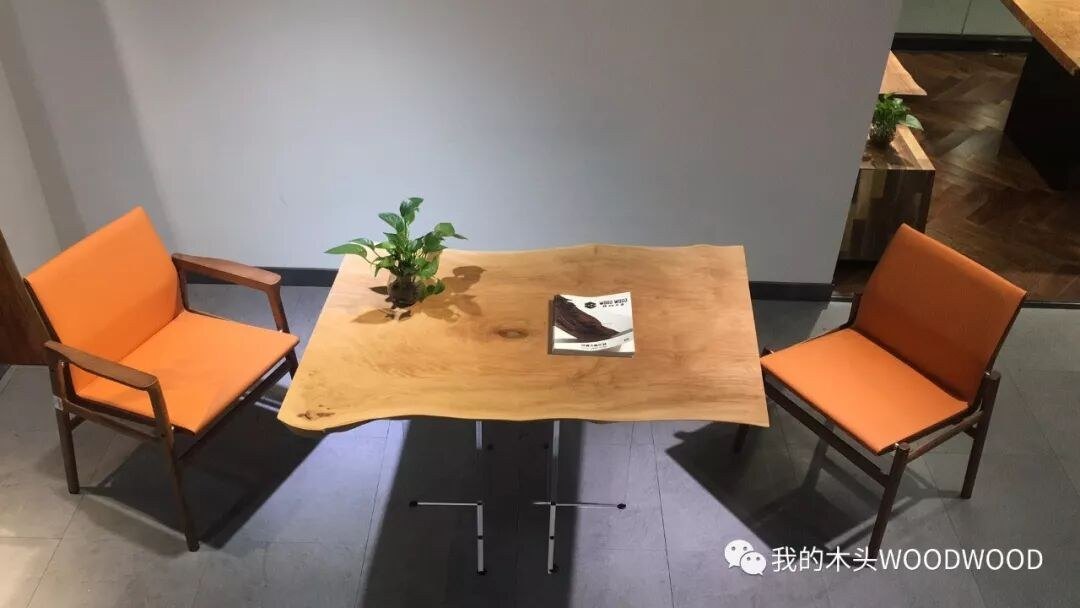
N: Natural — the simplest craft, so the wood keeps its own grain and organic form.
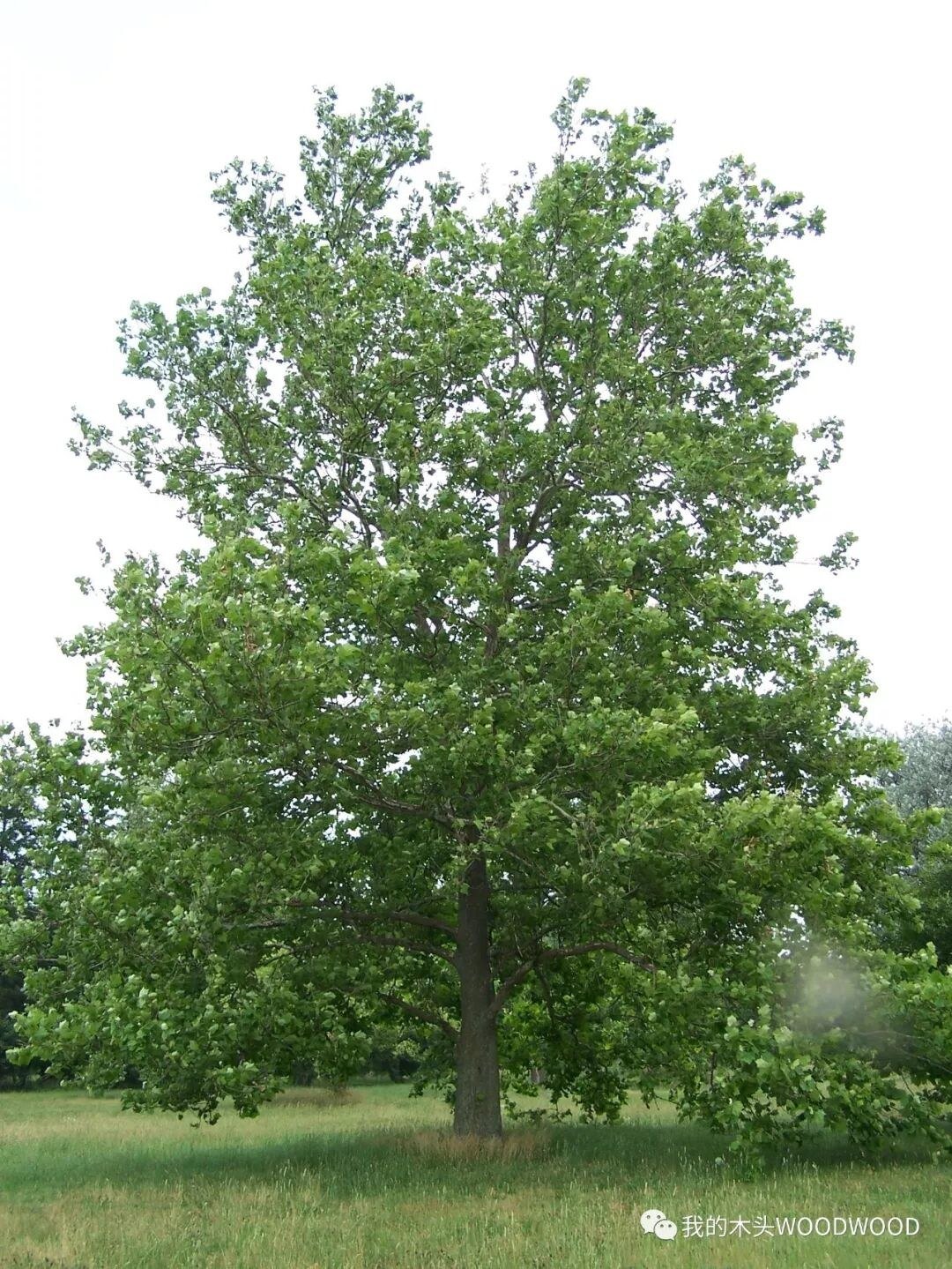
American Sycamore
Also known as the American plane tree
Botanical name: Platanus occidentalis
, duration
00:20
Phylum: Angiosperms
Class: Dicotyledons
Order: Rosales
Family: Platanaceae
Genus: Platanus
Species: Platanus occidentalis
The species: American sycamore
American sycamore — Platanus occidentalis, also called the American plane tree — belongs to the Platanaceae family within the angiosperms. Native to North America, it favours a humid, warm climate and takes cold reasonably well. It does best in acidic or neutral soils that drain freely and are deep and fertile, and will also grow in slightly acidic ground.
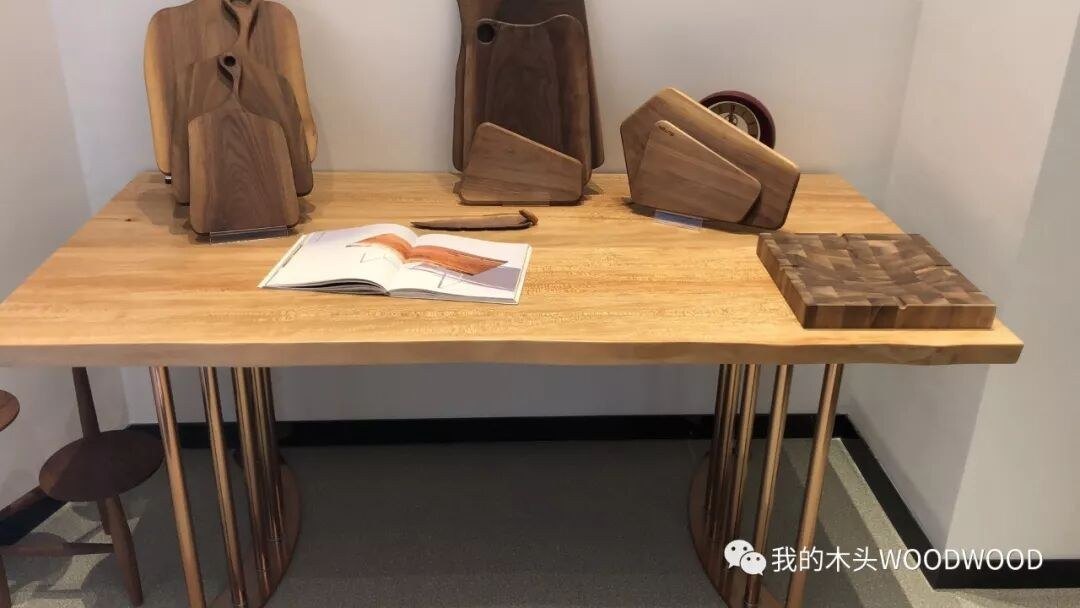
A large deciduous tree, it lifts its canopy to 45–55 m, with a trunk diameter of roughly 0.9–1.5 m. The stem is fairly straight, though old trees sometimes go hollow at the core. Its bark is thick and peels away in scales.
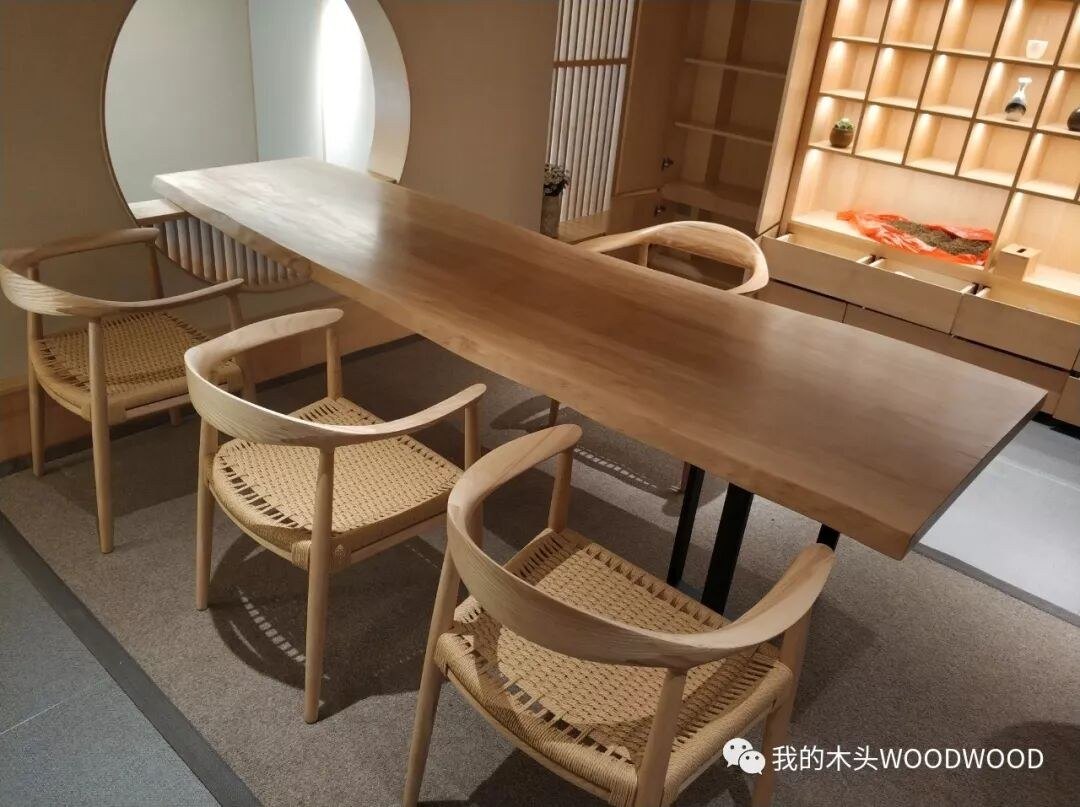
The wood: what to expect
American sycamore is not a heavy, muscular timber. As a hardwood it has low impact resistance and stiffness, with a measure of steam-bending ability. That makes it easy to work — though it asks for a keener cutting angle than most woods.
It also carves, glues and sands beautifully, and if the grain is filled before staining and polishing, good workmanship yields a handsome lacquered surface.
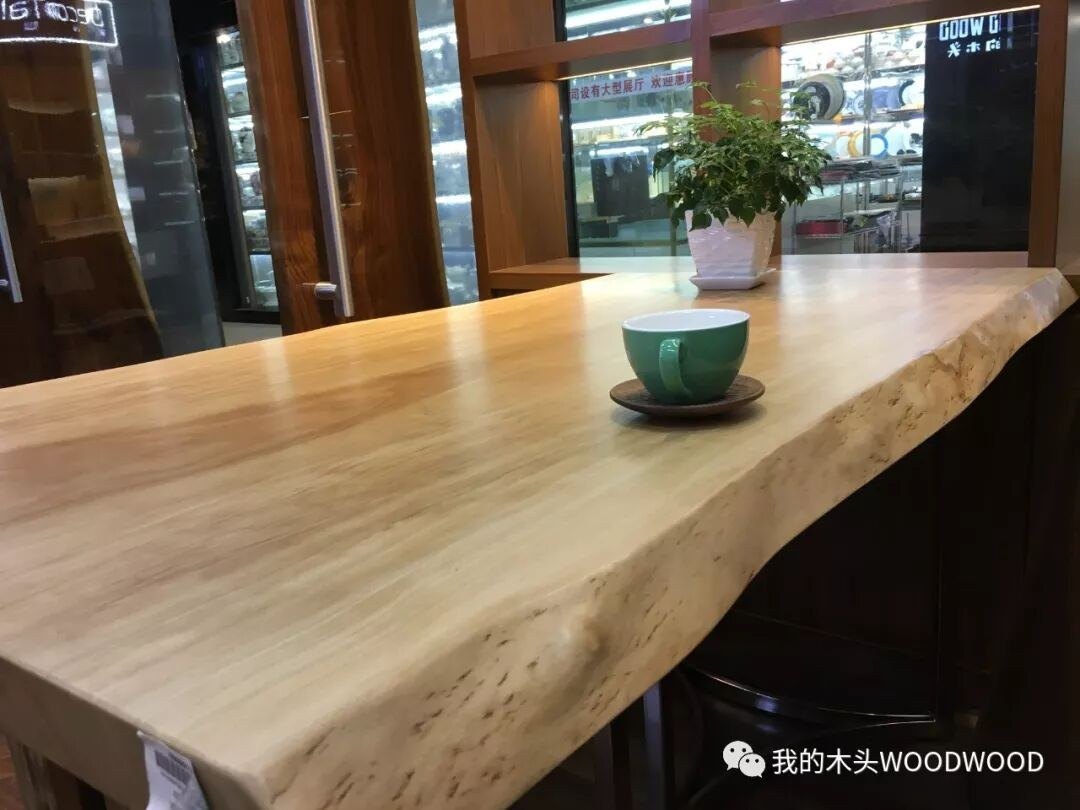
It dries fast and — rarer still — develops very few drying defects, so it moves very little in service.
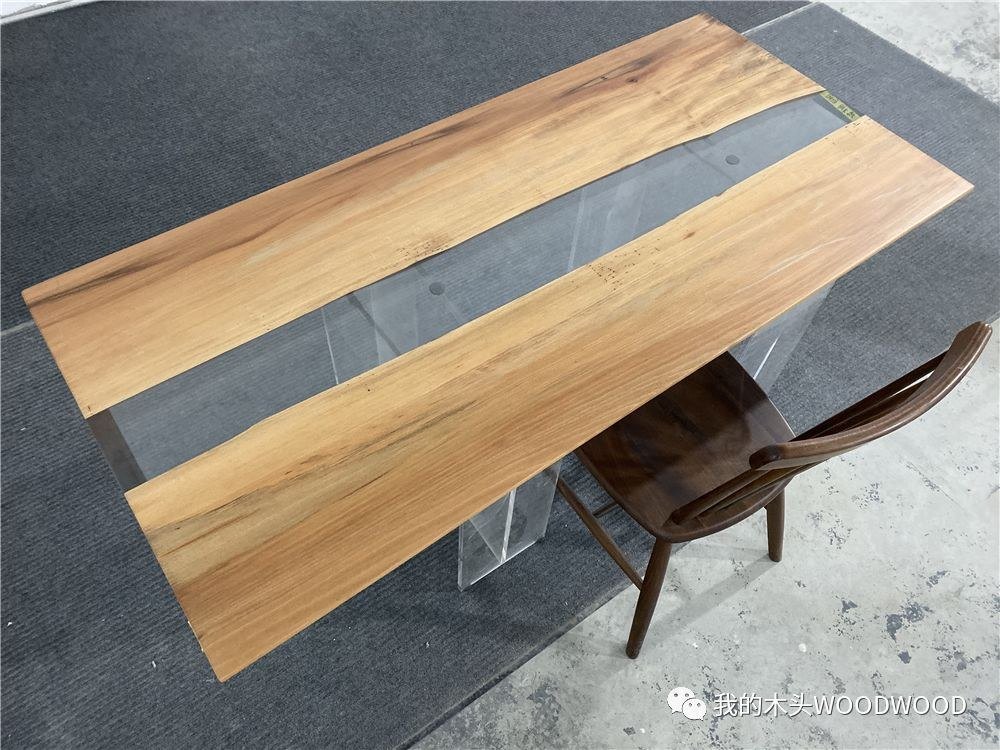
The look: in the home
The wood runs from cream to pale yellow. There is no clear line between heartwood and sapwood; the transition zone can run as wide as 150 mm.
It usually shows interlocked grain, and once cut the wood carries faint dark stripes. Set against a moderately fine, even texture, this reads on the eye as a silken natural lustre, with a subtle shadow flowing through it.
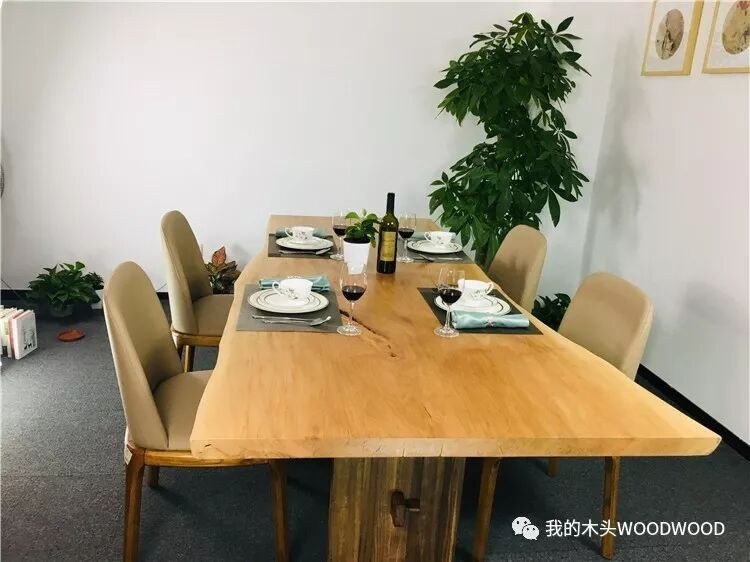
American sycamore is a preferred choice for furniture and furniture components — office furniture in particular — and is also used for interiors, cabinet frames, moulds, panelling, core stock and veneer.

SEELAND WOOD LTD
B Block, Southern Ninth Street, Qiaotou Town, Dongguan city, Guangdong Province, China