WHAT ARE YOU LOOKING FOR?
WHAT ARE YOU LOOKING FOR?
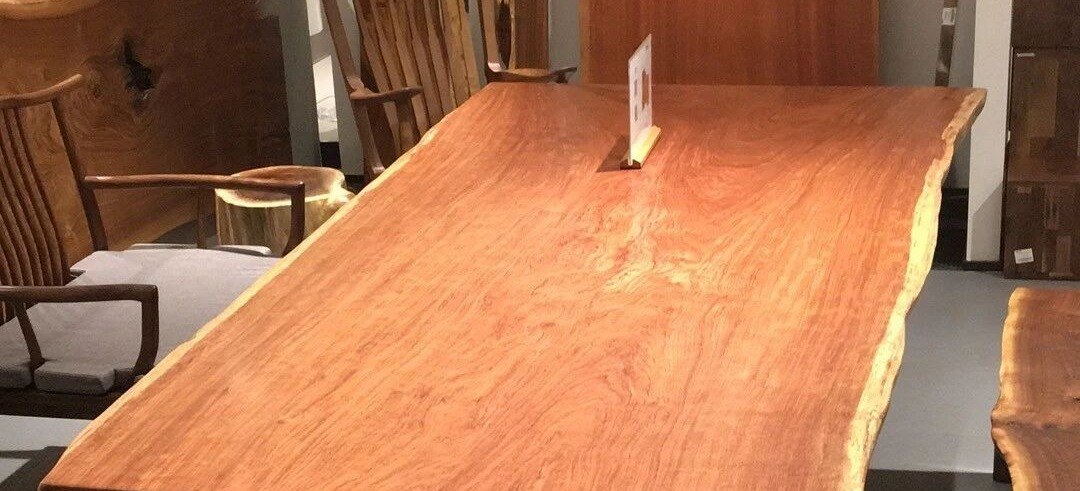
Sapele (Entandrophragma cylindricum) comes from west and central Africa: pink heartwood that deepens to reddish brown, fine interlocked grain and a high lustre, with figures from satin to bee's wing.
Rare, One of a Kind, Natural
The positioning of Woodwoodslab's rare live-edge slabs — simply SUN.
S: Special — a distinctive species; its grain and form give every slab a natural character all its own.
U: Unique — no two slabs are alike; each is singular and impossible to replicate.
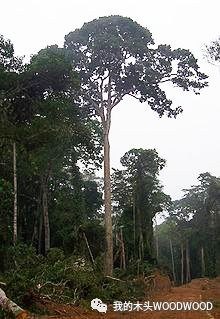
N: Natural — the simplest craft, so the wood keeps its own grain and organic form.
Sapele
Botanical name: Entandrophragma cylindricum
Phylum: Spermatophytes
Class: Dicotyledons
Order: Sapindales
Family: Meliaceae
Genus: Entandrophragma
Species: Entandrophragma cylindricum
The species: sapele
Sapele (Entandrophragma cylindricum) — also called scented mahogany, cylindrical African mahogany and red shadow wood — belongs to the Meliaceae family among the seed plants. Native to west-central and eastern Africa, it likes light and a warm to hot, humid climate, stands up well to wind, and will not tolerate drought or cold.
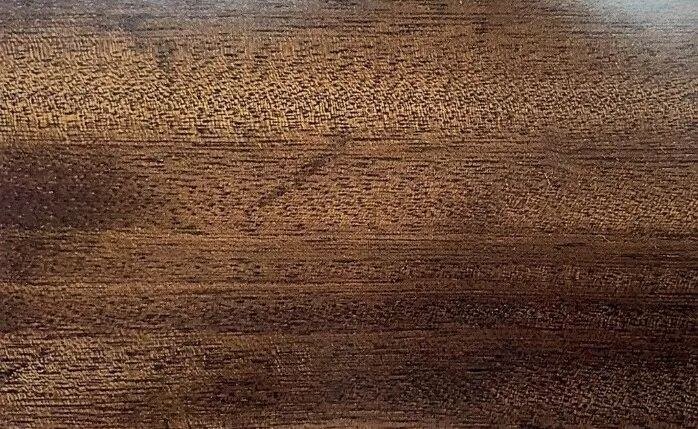
Sapele can reach 40–50 m, sometimes pushing past 60 m, with a trunk diameter of up to 2 m. In 2016 a sapele towering 80 m was found on Mount Kilimanjaro.
Its leaves are pinnate, with 5–9 pairs of leaflets, each 8–9 cm long and tapering to a point. The flowers are small, borne in clusters, with five pale yellow petals.
The wood: what to expect
Sapele dries very quickly and is inclined to distort, which raises the technical demands of working it — one reason fine sapele is priced as a quality timber.
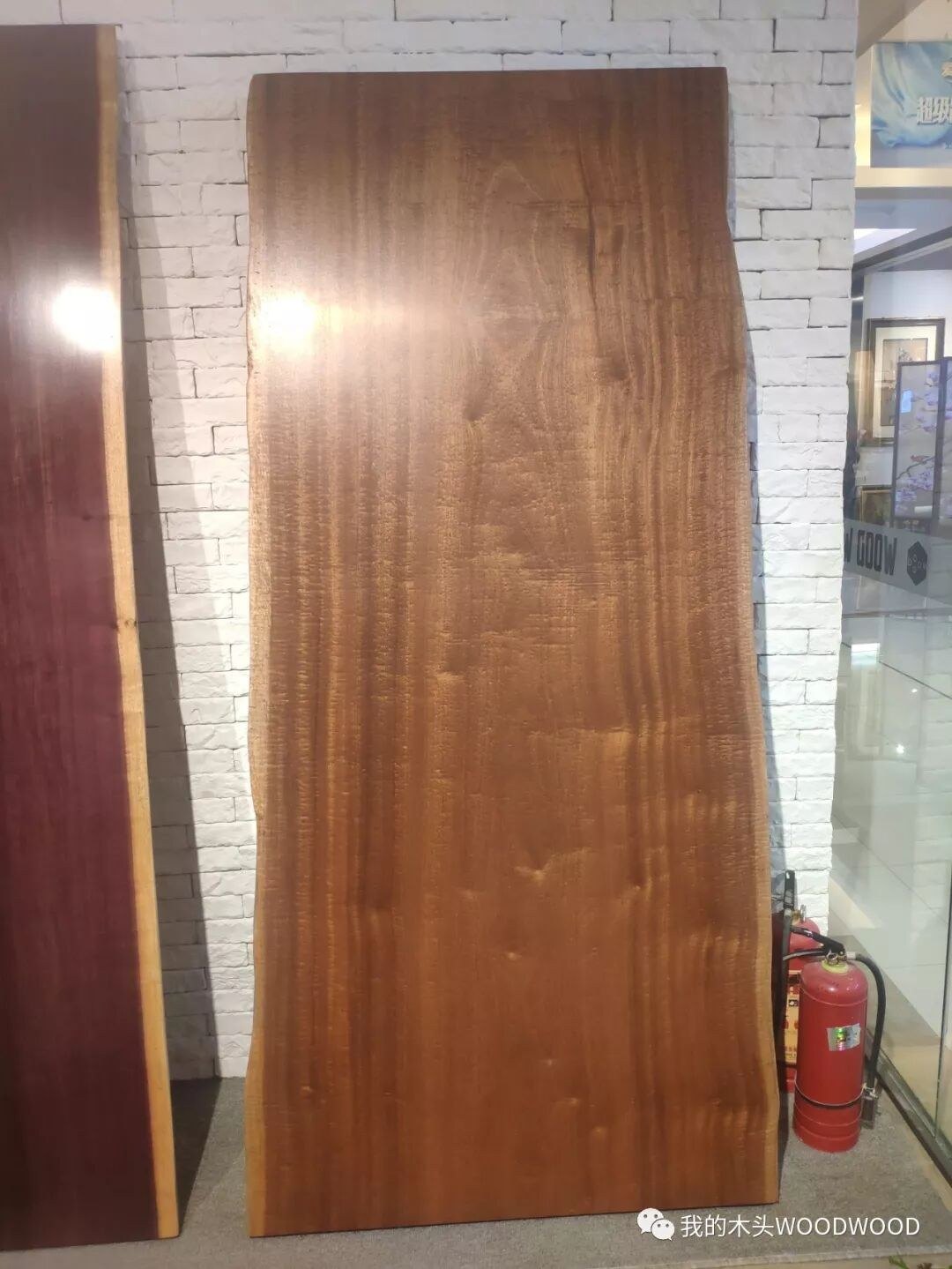
Worked with skill, sapele offers high compressive strength, moderate impact resistance, moderate bending strength and comparatively high stiffness.
It also carves, stains, nails and finishes well, sands to a fine surface and glues reliably, so a highly polished finish is well within reach.
The look: in the home
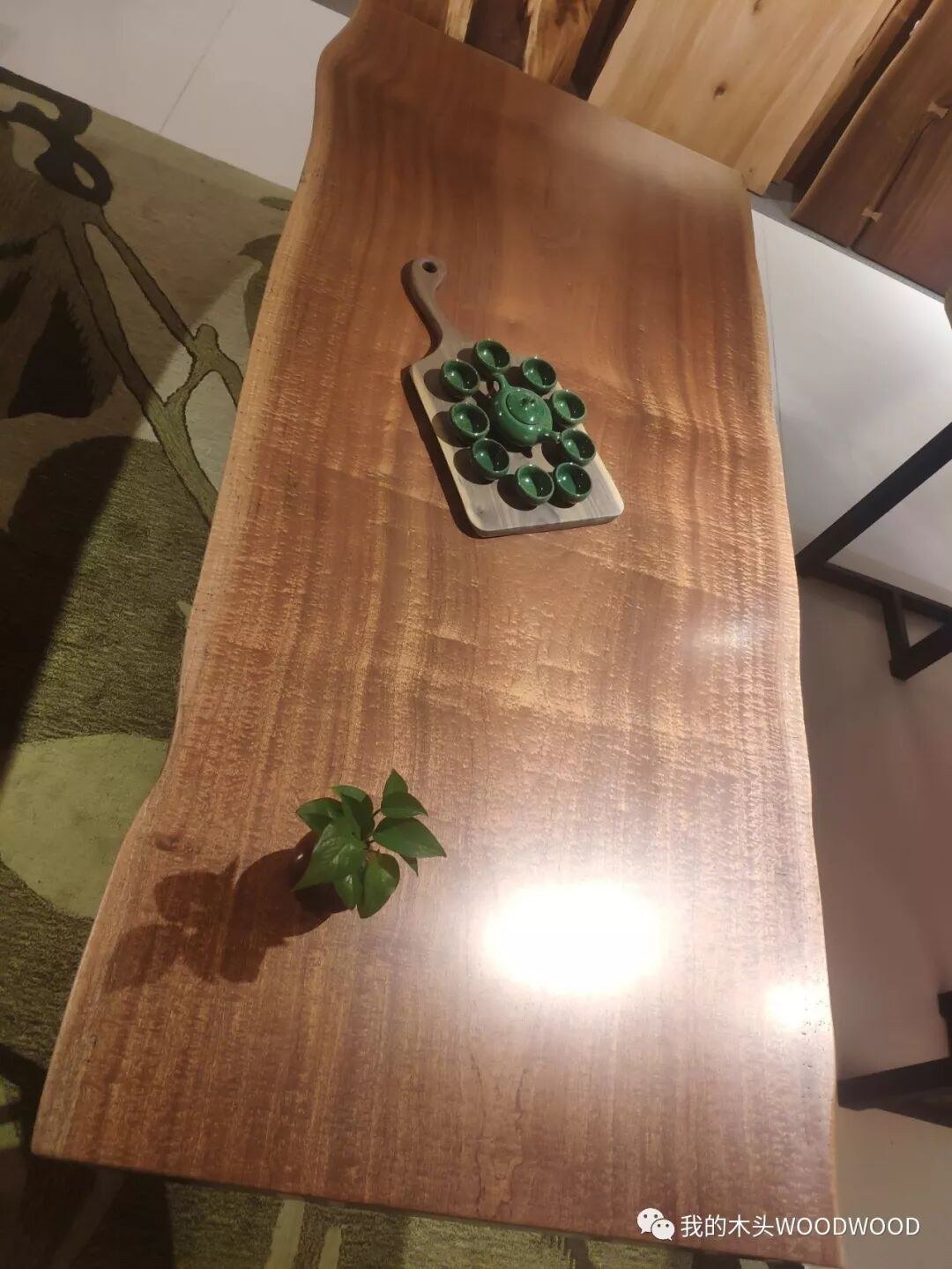
Freshly felled sapele has pink heartwood, which later turns reddish brown or purple-brown. The sapwood is clearly distinct, white to faintly yellow. A freshly cut surface carries a rich scent reminiscent of toon wood, with no particular taste.
The grain is interlocked to some degree or wavy, the texture fine, the surface highly lustrous. It is a lightly interlocked, blistered grain: quarter-sawn stock reveals any number of figures — satin, bee's wing, regular dark stripes or broken ribbon stripe.
Other cutting methods bring out fiddleback and mottled figures, and a ripple figure thrown up by the wavy grain is sometimes visible too.

SEELAND WOOD LTD
B Block, Southern Ninth Street, Qiaotou Town, Dongguan city, Guangdong Province, China