WHAT ARE YOU LOOKING FOR?
WHAT ARE YOU LOOKING FOR?
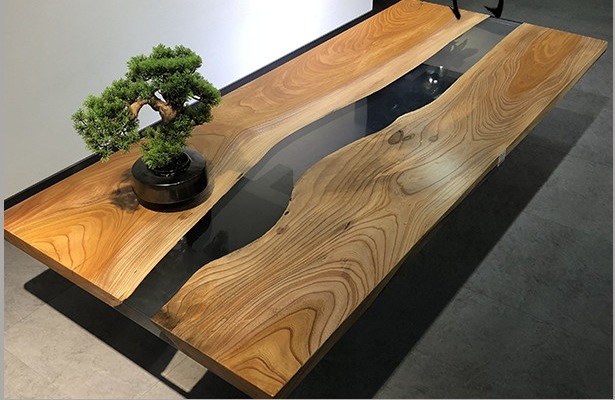
A Dignified, Sacred Temper, Bestowed by Nature — Zelkova
Zelkova once grew throughout the Jiangnan region of old China; unknown in the north by that name, it was called "southern elm", and it is well known among collectors.
In the south, zelkova; in the north, elm. Zelkova was used to an extraordinary degree in traditional furniture of the Ming and Qing dynasties, and once stood on equal footing with pieces made from agarwood, huanghuali and zitan. Its forms and methods of construction follow those of huanghuali and other hardwoods almost exactly, giving it considerable artistic and historical value.
A Ming-dynasty zelkova altar table with upswept ends
Height 78.5 cm, length 190 cm, width 36.5 cm.
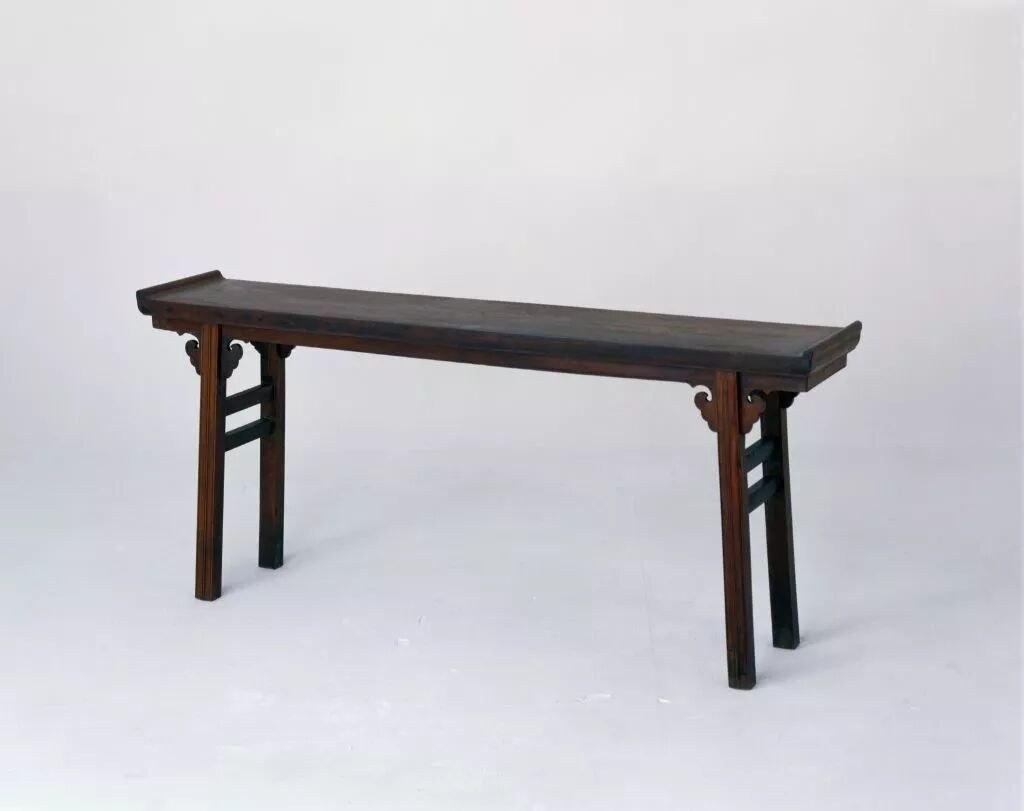
The table is of zelkova. The top has the rounded, loach-back upswept ends. The apron is straight, the spandrels carved into cloud-head shapes, and apron and legs are joined with the mortise-and-tenon jiatou construction.
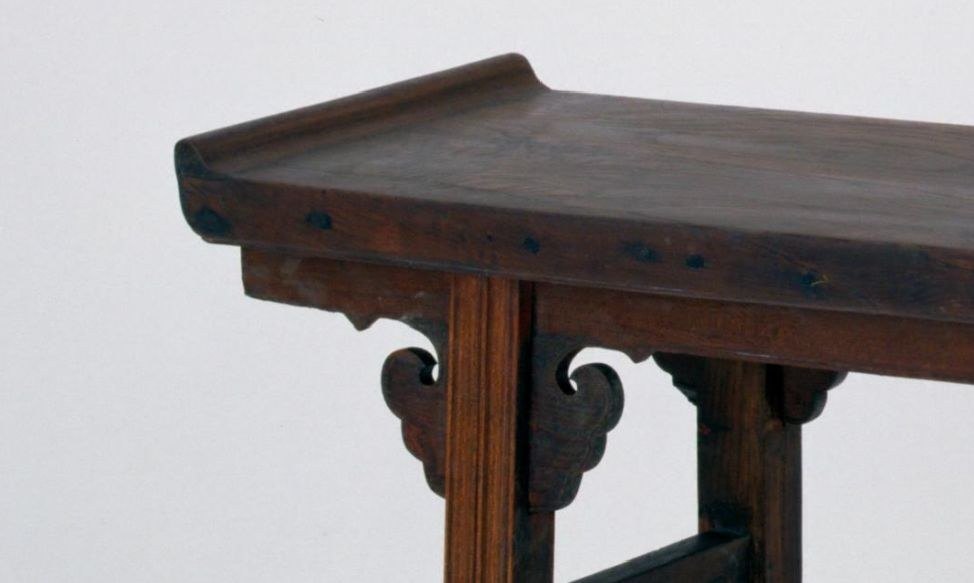
Down the centre of each leg's front face runs a raised two-incense-stick bead, flanked by edge lines, together forming a double-bevelled face with double borders. Square double stretchers join the legs on either side. The legs are square with straight feet, and the splay and taper are pronounced.
The form is spare and the line-and-corner ornament exactly judged. The double stretchers at the sides and the marked splay of the legs are both hallmarks of Ming furniture, and zelkova was a material commonly used in Suzhou-style furniture of the period. · Quoted from the Palace Museum; text by Huang Jian.
After the Ming and Qing, zelkova supplies dwindled and its use declined. Today most zelkova sold in China is imported from Europe and North America, and the great majority of it is European beech.
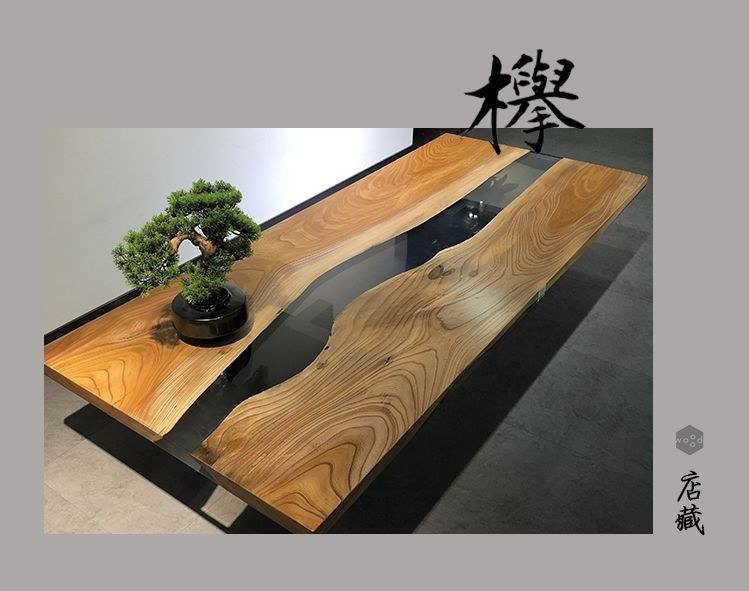
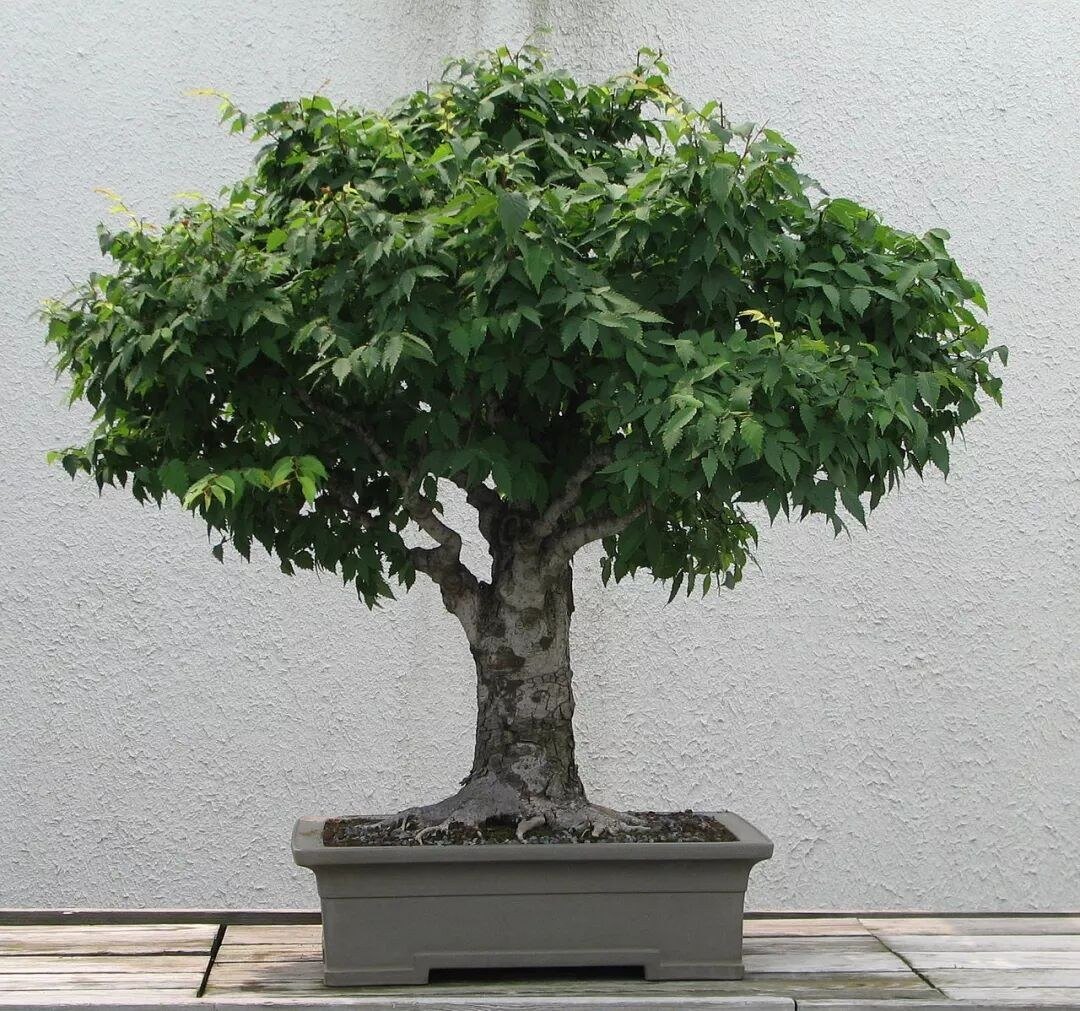
In fact European beech belongs to the order Fagales, family Fagaceae, genus Fagus. True zelkova is a large deciduous tree of the family Ulmaceae, genus Zelkova, its bark peeling away in plates; it now grows mainly in East Asia, in Japan, China and neighbouring regions.
▲ An ornamental zelkova bonsai
Since ancient times Japan has put zelkova to many uses — building material, furniture, structural timber — and has held that it possesses a distinctive natural temperament: a reserved, dignified wood. For this it is revered as a sacred tree.
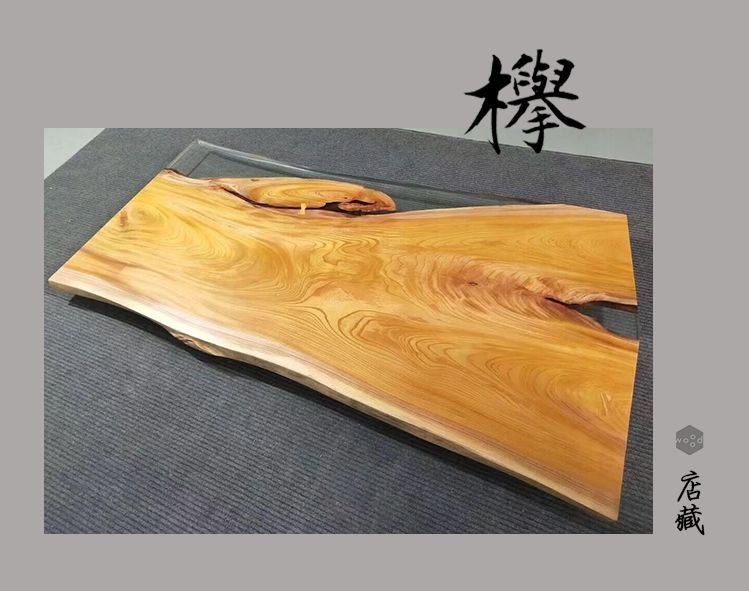
Its excellent resistance to damp and to weather suits temples and shrines especially well, and it is often chosen for the principal pillars of dignified buildings.
In Japan's National Diet building, for example, carved zelkova serves as the columns. Zelkova is also commonly used for tea-ceremony and Buddhist altar implements.
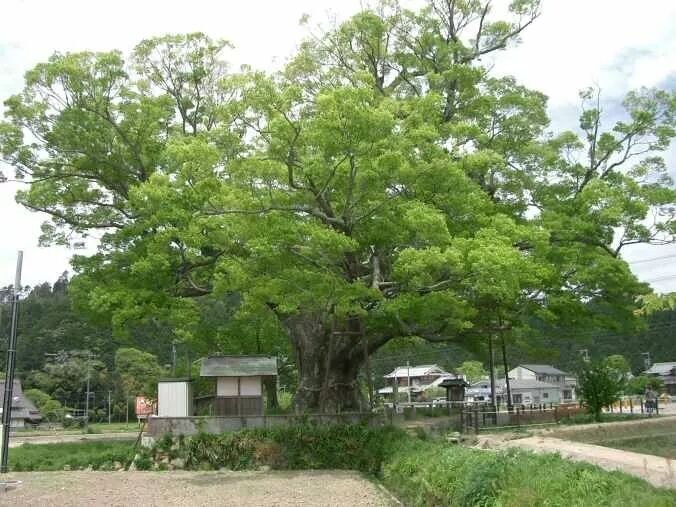
▲ A great Japanese zelkova, designated a special natural treasure for its 1,500 years
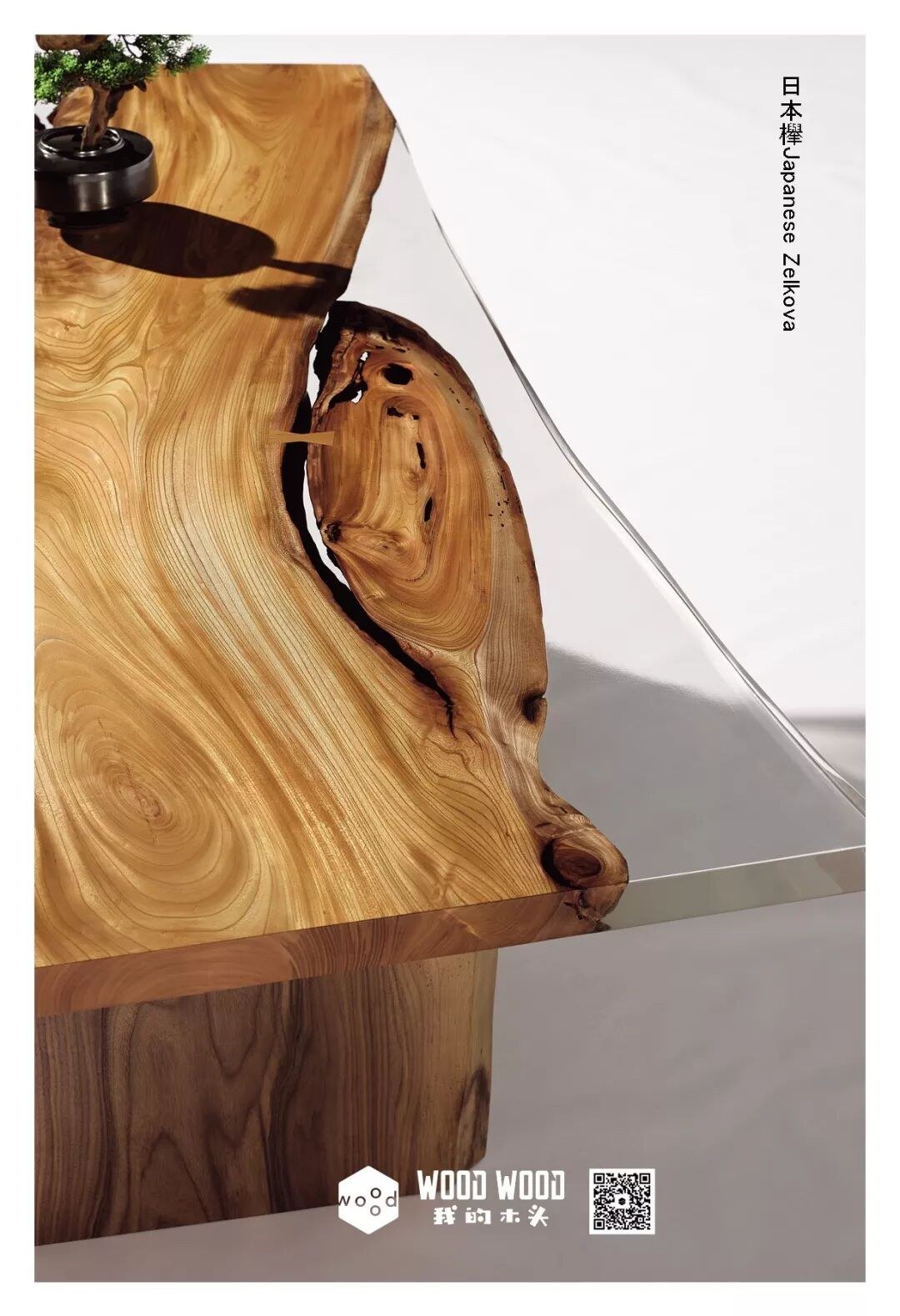
Japanese zelkova begins as a warm cream colour. Of medium hardness, it works and polishes beautifully and is very fine in texture; grain, colour and surface are gentle, calm and quietly refined, and deepen toward red as the years pass. Even without wood wax or oil it is striking.
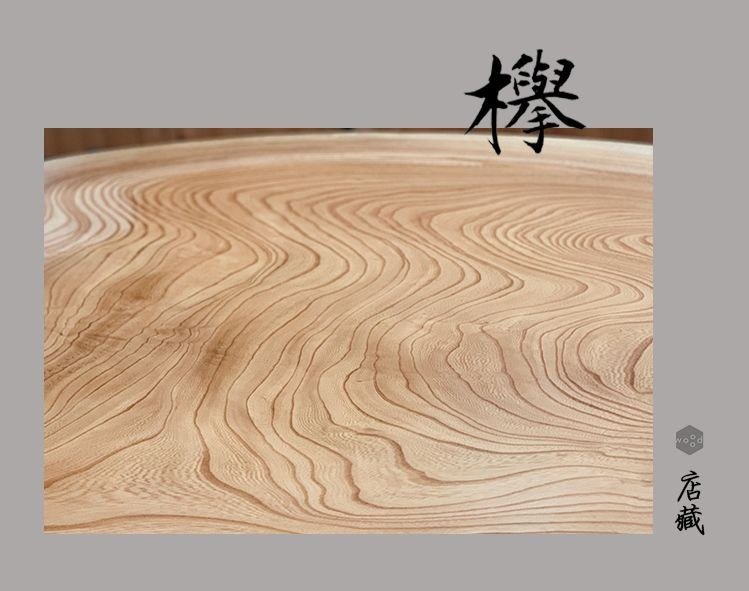
Zelkova carries an aristocratic character in itself. The variety known as blood zelkova has a red-gold cast close to huanghuali, and in both beauty and usefulness it can stand comparison with that wood.
Beyond that, zelkova bears a distinctive pagoda figure — overlapping crests of waves — highly decorative, entirely at home in a domestic setting, and lending a house an atmosphere at once gentle and still.
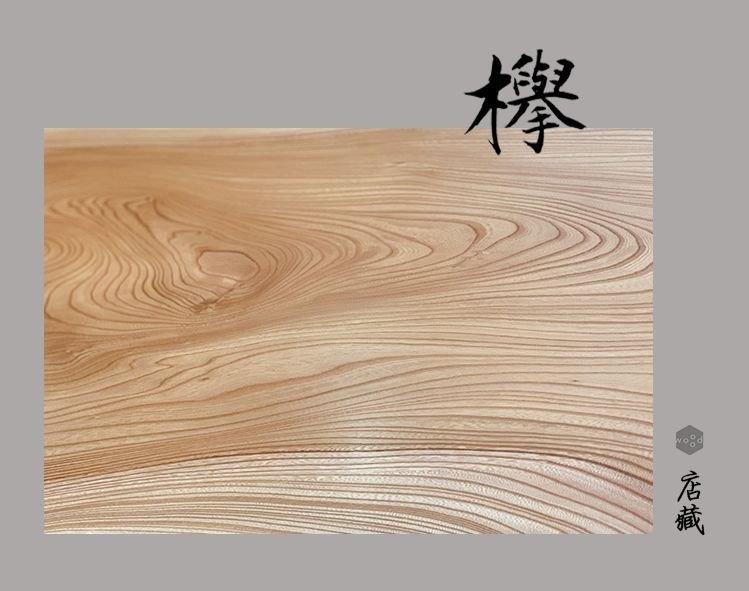
Every piece of zelkova shown here is held in our stores and can be viewed in person; tap the mini-program for details.

SEELAND WOOD LTD
B Block, Southern Ninth Street, Qiaotou Town, Dongguan city, Guangdong Province, China