WHAT ARE YOU LOOKING FOR?
WHAT ARE YOU LOOKING FOR?
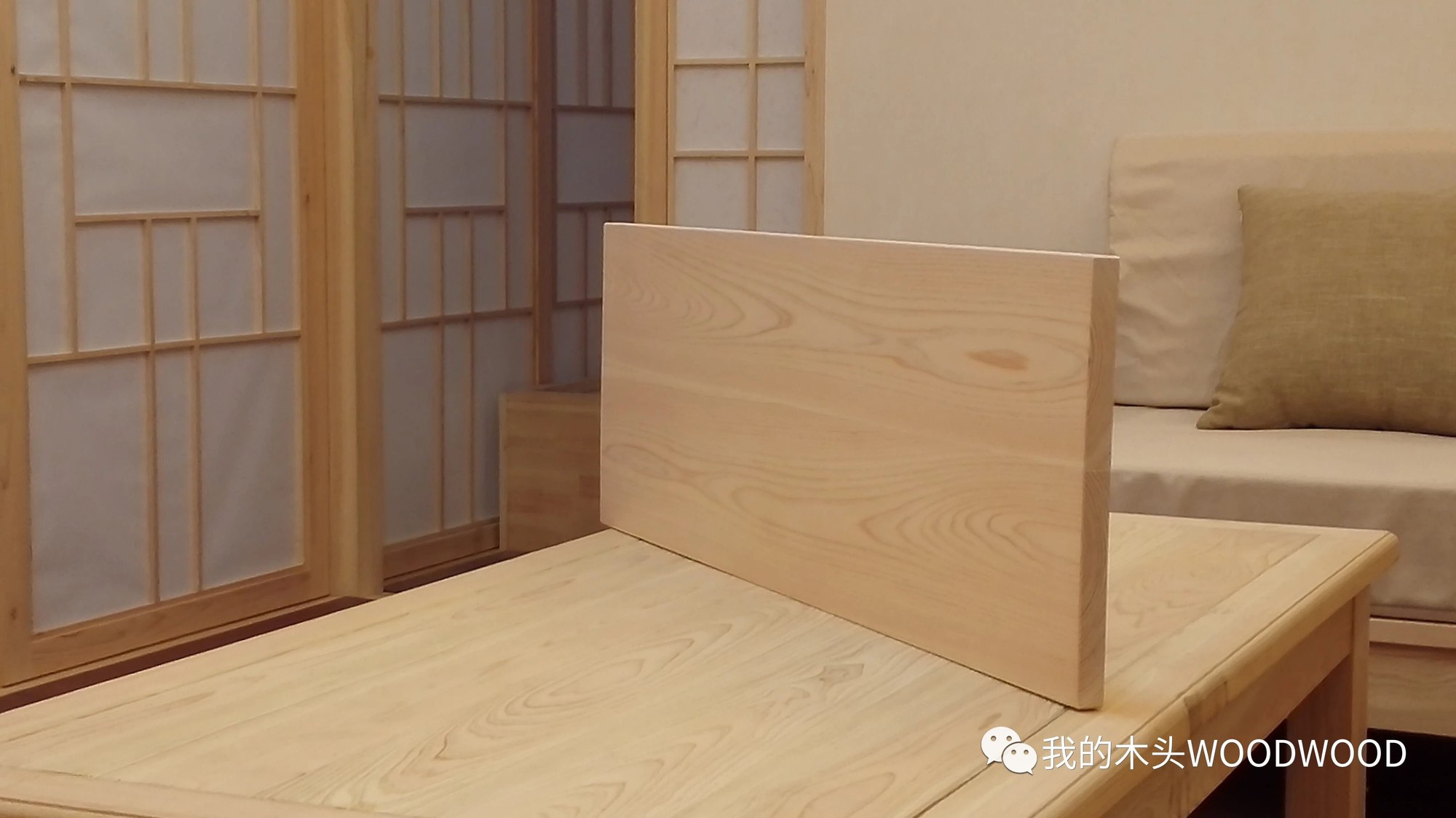
The Aristocrat of Softwoods — Japanese Hinoki
Japanese hinoki, of the cypress family, has pale red heartwood and white sapwood, a beautiful lustre and a fragrance entirely its own.
Japanese Hinoki
Botanical name: Chamaecyparis obtusa
Family Cupressaceae, genus Chamaecyparis
Origin: Japan
Pale red heartwood, white sapwood. A beautiful lustre and a distinctive fragrance.
Air-dry density: 0.40–0.54
Construction, interior fit-out, furniture, baths, chopping boards, carving — its uses are remarkably wide.
The Japanese love of building in wood is surely among the strongest anywhere in the world. Forests cover seventy percent of the country, and in Japanese culture daily life and trees are bound inextricably together.
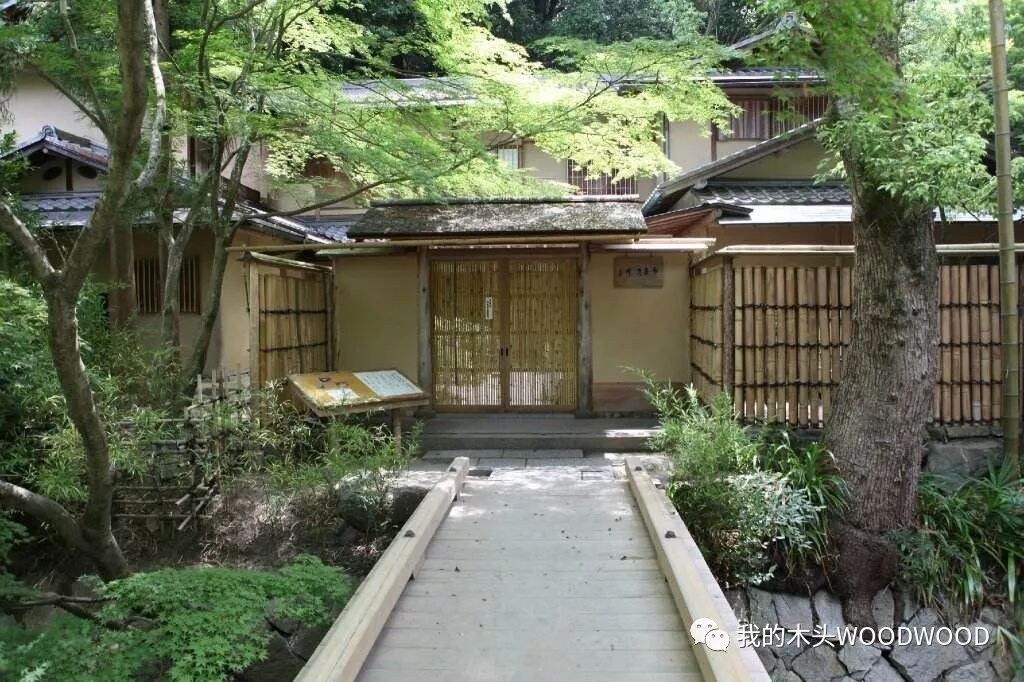
Among the many species available, Japanese hinoki is held to be the finest material for building and interior work.
Its durability, resistance to decay and ease of working keep a room filled with a light, calming scent of wood, and to a real degree sustain a living environment that is both sound and comfortable.
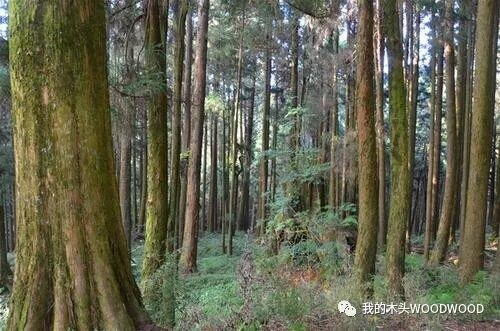
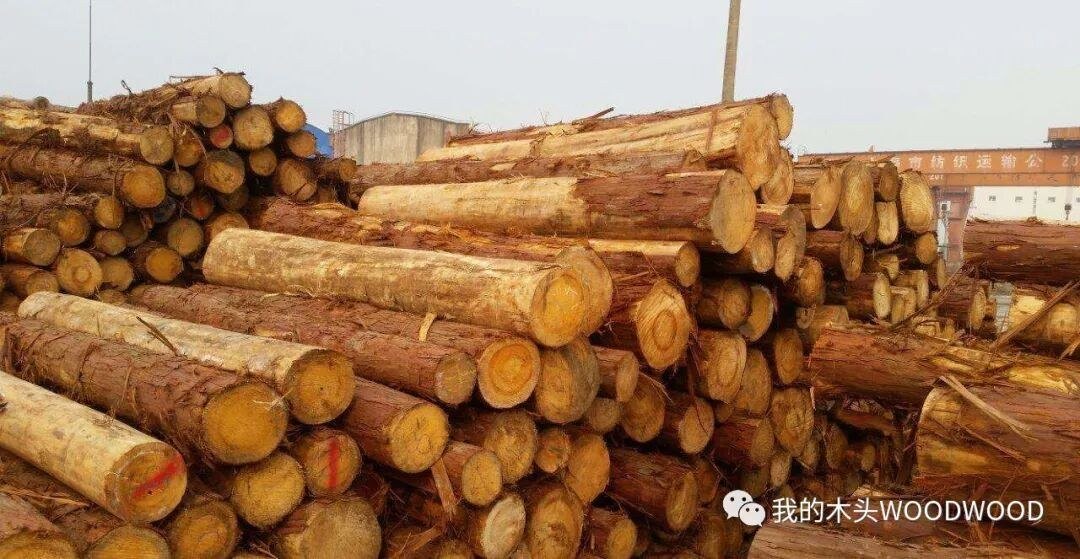
Hinoki logs are generally small in diameter; the larger the diameter, the rarer and the more expensive. It is a softwood prone to knots, so the fewer the knots, the higher the price.
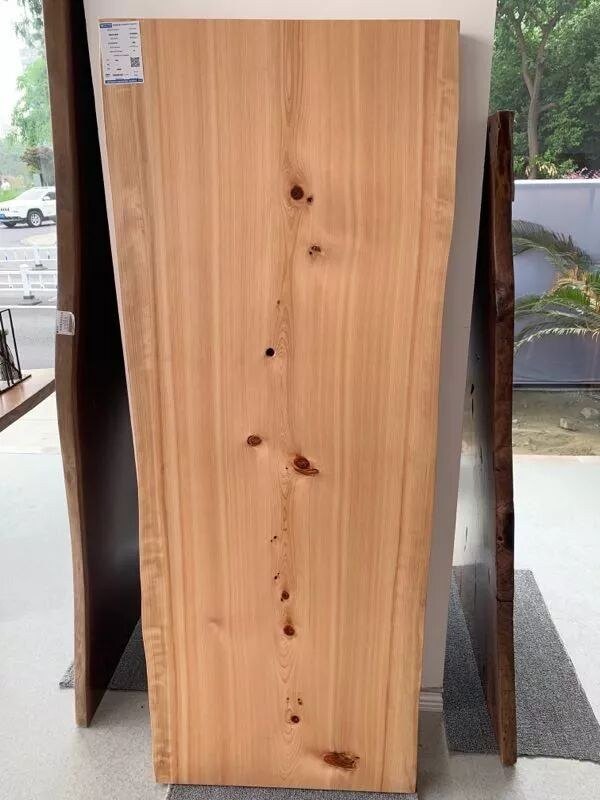
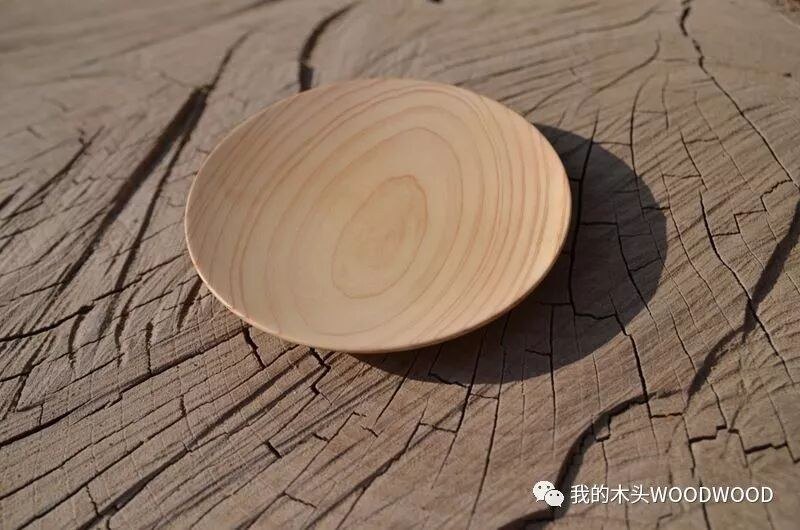
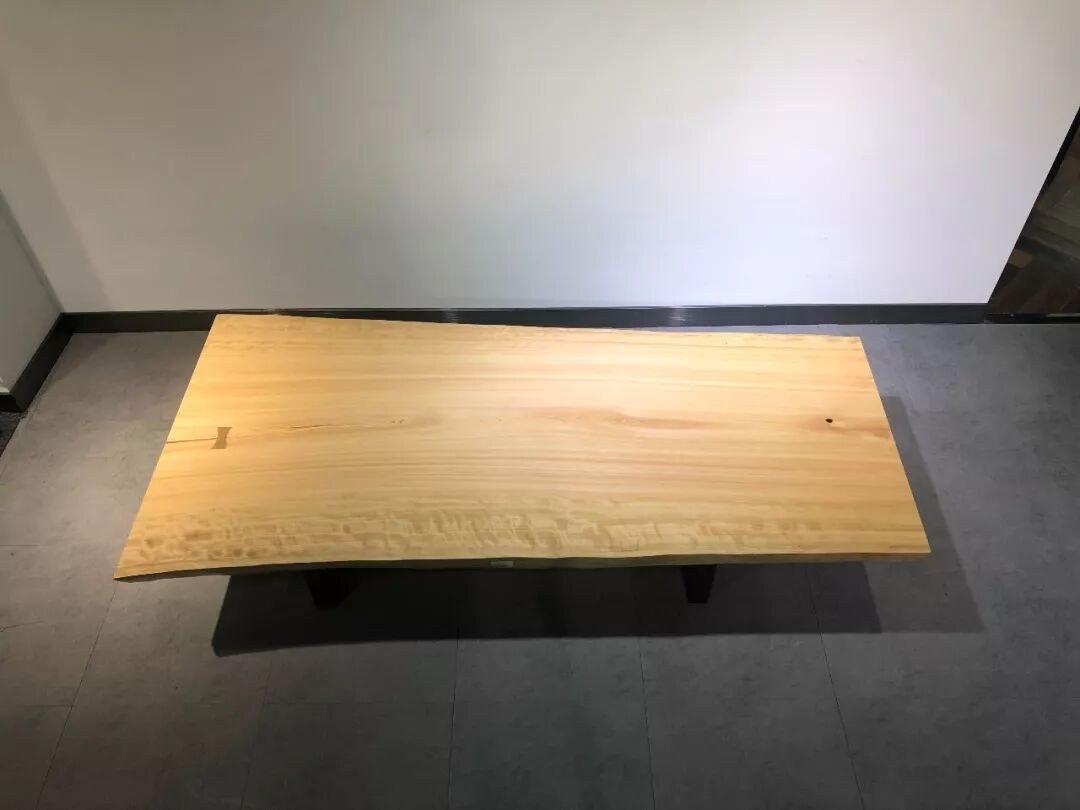
From the \"My Wood\" collection: a new arrival — a Japanese hinoki slab
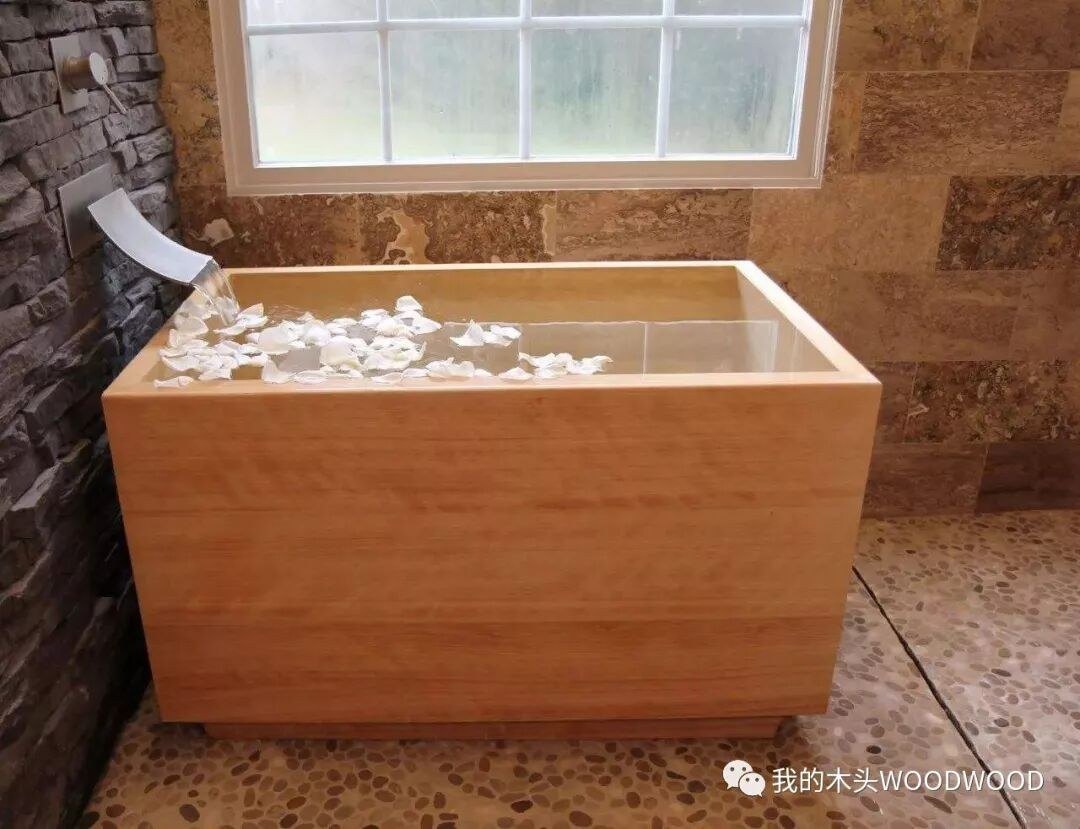
As craft techniques have advanced and design taste has shifted, hinoki has found its way into every kind of furniture. The hinoki bathing tub, rarely seen here, is counted among the most luxurious in the world.
After felling, hinoki's strength goes on rising with age, reaching its peak two hundred years after the cut; recovering the strength it had in the living tree takes another thousand.
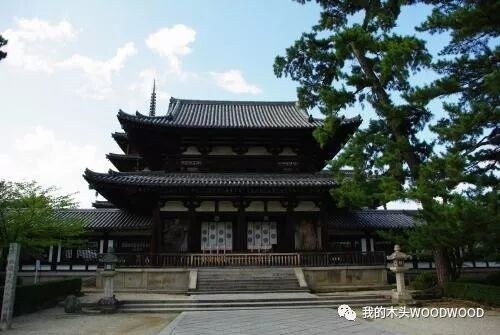
Horyu-ji, begun 1,300 years ago and still standing, was built of Japanese hinoki. The oldest wooden building in the world, it retains sixty-five percent of its original hinoki timber today.
It is said that if you plane two or three centimetres off those thirteen-hundred-year-old columns, a faint, original hinoki fragrance still rises.
Workability
A softwood like pine, hinoki is light, which makes it comparatively easy to work and very well suited to furniture. It takes finish well and shows little trouble with drying shrinkage. Craftsmen say there is essentially no technical difficulty in working it.
Decay resistance, durability, insect resistance
Hinoki contains antibacterial and anti-mould compounds and resists decay well, so it is often made into kitchen ware — chopping boards, rice paddles, trays — which is not only handsome and substantial to the hand but raises the quality of daily life.
Compounds in the wood that termites and ticks avoid also give it some power against pests; certain insecticides and fungicides on the market contain essential oil distilled from hinoki.
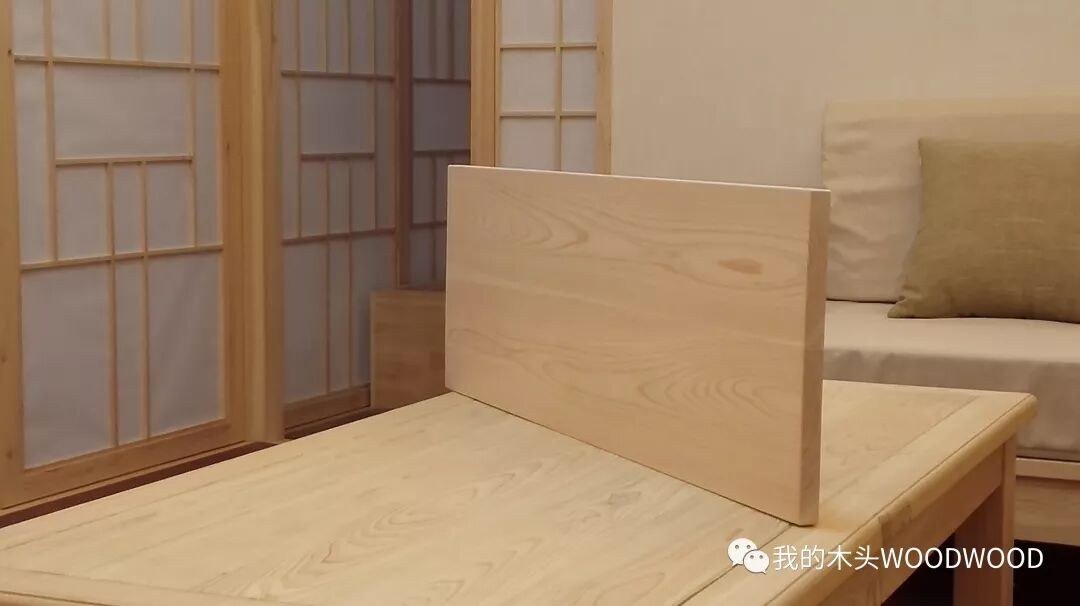
From the \"My Wood\" collection: hinoki slabs that settle perfectly into any interior style
Odours and VOC (volatile organic compound) dilution
Whether a home is newly fitted out or its furniture refurbished, formaldehyde remains the owner's persistent nightmare.
Hinoki's cellular structure itself deodorises and absorbs harmful substances. It takes in formaldehyde and other compounds behind sick-building syndrome, and dilutes their concentration as well.
This is why children's furniture and furniture for the elderly so often uses hinoki. Against other materials its greater advantages are better sleep, stronger immunity, and antibacterial, deodorising performance.
A fragrance that both calms and awakens
The scent of most trees comes from phytoncides; hinoki's phytoncides both calm and awaken.
The calming effect settles the mind, eases mental strain and lifts fatigue; the awakening effect clears the head, so study and work go better.
For bedroom furniture, then, hinoki is the more suitable choice.
Humidity regulation
Its fine material properties and its ability to regulate moisture let hinoki shape interiors that are comfortable, safe, environmentally sound, contemporary, human and personal — while helping to balance indoor humidity and create the most liveable of spaces.
Though classed among the finest of softwoods, hinoki holds advantages many hardwoods lack. In interior work, furniture has been moving steadily toward quiet luxury.
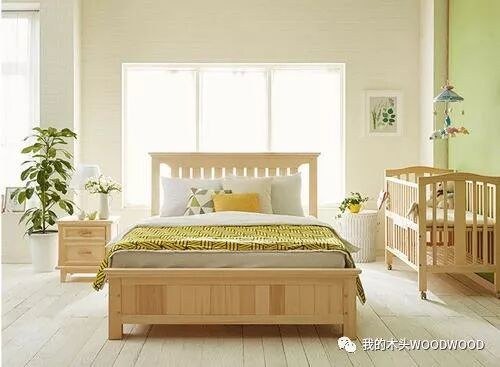
Hinoki remains a niche material here, but that does not mean it has no market. We believe that once consumers come to know what hinoki and hinoki furniture can do, it will establish a following of its own in China.
From the \"My Wood\" collection: hinoki slabs of fine grain and a softly rounded lustre
[Store relocation notice]
Our Taiyuan store has moved!
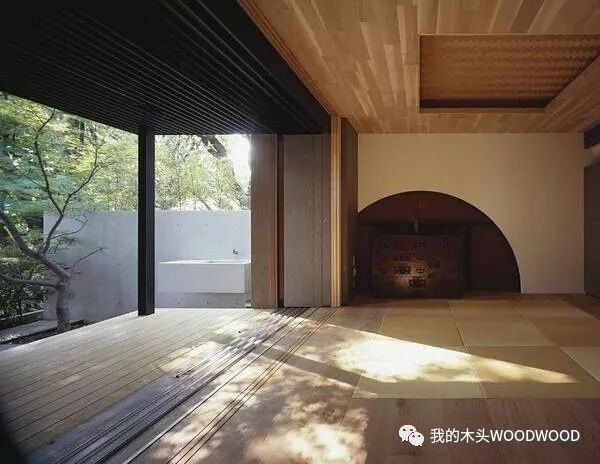
The former \"My Wood\" store at Juran Zhijia, Hexi, Taiyuan
has now formally moved to
4th Floor, Lanting Yuhucheng Wealth Centre, Jinyuan District, Taiyuan, Shanxi Province
Please help us spread the word!

SEELAND WOOD LTD
B Block, Southern Ninth Street, Qiaotou Town, Dongguan city, Guangdong Province, China