WHAT ARE YOU LOOKING FOR?
WHAT ARE YOU LOOKING FOR?
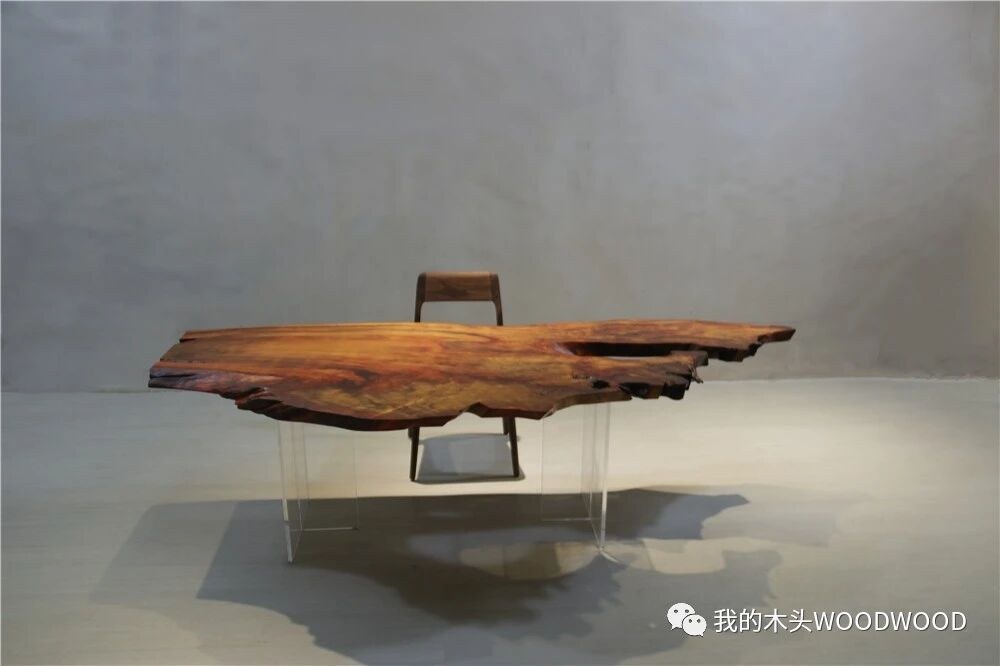
The Tallest Guardian of the Forest in Eurasia — Taiwania
A rare and precious species found in only a handful of places on earth, Taiwania is a first-class protected plant in China — and the tallest tree on record in Eurasia.
Taiwania was first recorded in China in 1904, at Wusongkeng in Taiwan's Central Mountain Range, at an elevation of 2,000 meters.
Beyond Taiwan, it also grows in Hubei, Guizhou and Yunnan, as well as in Myanmar.
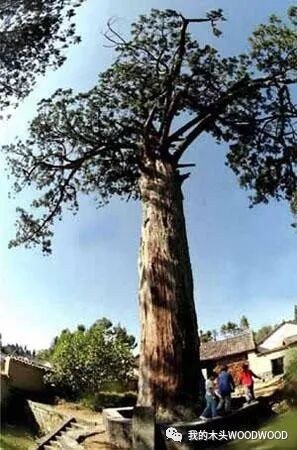
Often called a “living fossil” of the forest and also known as the “seven-color fir,” Taiwania is the tallest tree on record in Eurasia.
Yet its straight trunk and excellent timber have made it a target of heavy logging; its range has shrunk year by year, and since 1984 it has been listed as a Class I endangered species.
Taiwania on a postage stamp
Chinese name: Tusha (Taiwania)
Kingdom: Plantae
Phylum: Gymnospermae
Class: Coniferopsida
Order: Pinales
Family: Taxodiaceae
Species: Taiwania
Named by and date: Gaussen, 1939
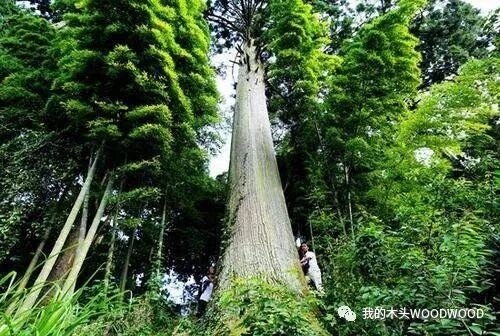
A veteran ranger at a Taiwania reserve once explained that the tree's branches begin high up, so they never fully block the light falling from the sky. By the time the sun has filtered through its sparse canopy, it reaches the ground softened — enough for the shade-loving, moisture-loving plants below to make their living there.
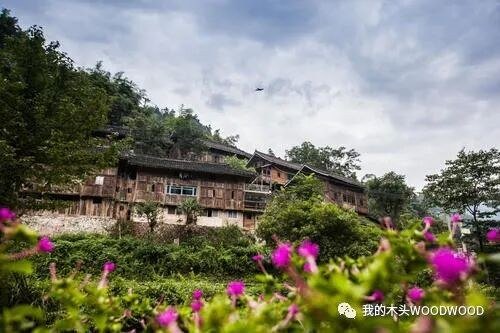
Taiwania is not only an umbrella for the plants beneath it; it also gives the people who live beside it a place to settle in peace.
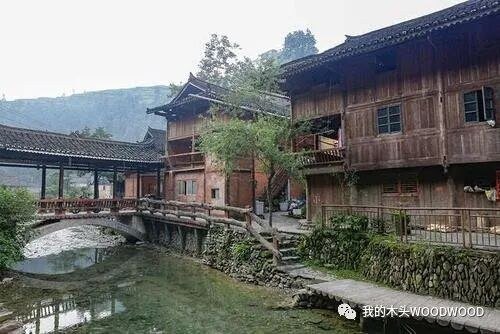
Measured on site, the “King Taiwania” stands more than 30 meters tall, its trunk so wide that eight adults linking hands can barely encircle it — enough timber to build at least three ordinary Miao wooden houses.
The “King” is revered as a deity, and every year a solemn ceremony is held beneath its branches.
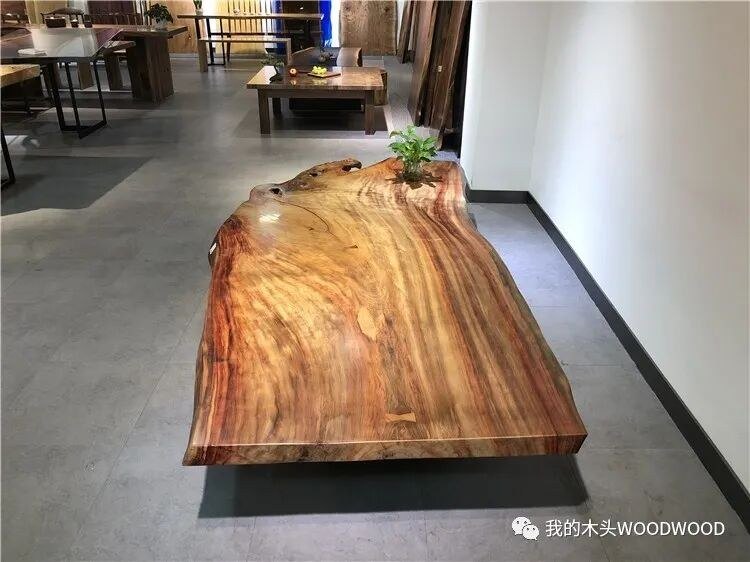
Genuine Taiwania furniture is rare on the market today; apart from refurbished second-hand pieces, most new boards have to be imported.
The Taiwania slabs at “My Wood,” for instance, are imported legally from Myanmar.
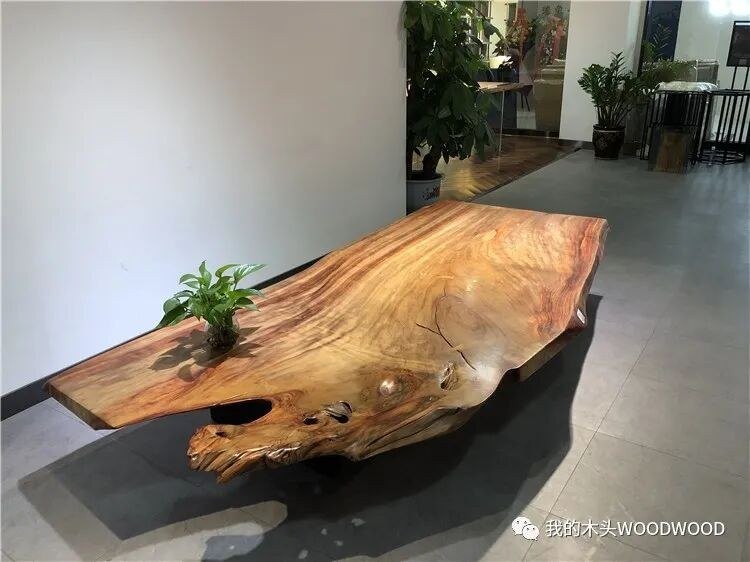
My Wood's Taiwania slabs, imported from Myanmar
With its upright trunk, Taiwania offers a moderate hardness and a fine grain, purplish-red heartwood and deep yellowish-brown sapwood tinged with red. It works easily, and makes an excellent material for construction, bridges and furniture.
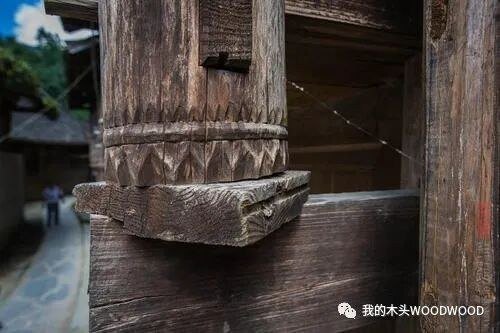
It is also well suited to timber plantations, scenic groves, watershed forests and street planting.
The Dongyuan Guesthouse in the old town of Xizhou, near Dali, makes extensive use of Taiwania timber, for example.
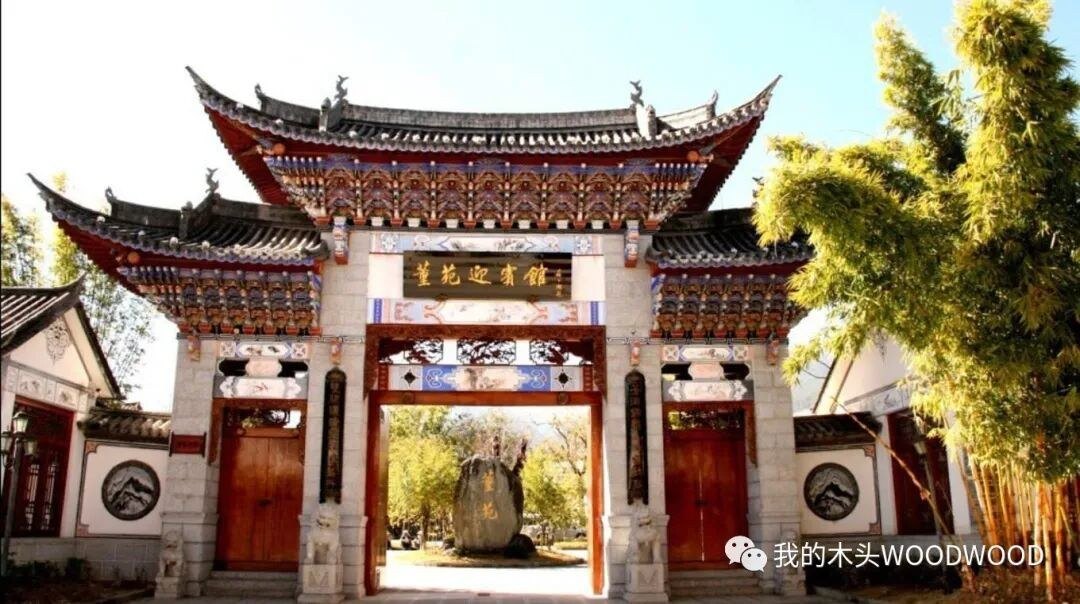
It was originally the residence of Mr. Dong Chengnong, one of the founders of the Xizhou merchants' guild, and was first built in the 1930s.
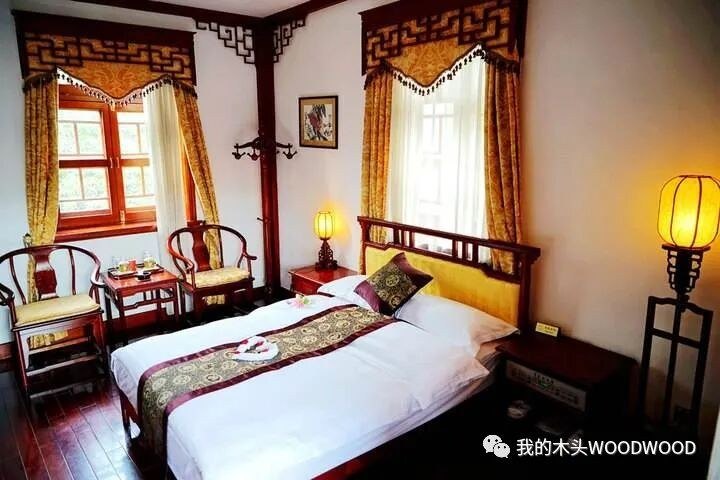
Almost all the timber in the compound is a fine species — red toon, nanmu, catalpa, Taiwania. Today it has been converted into a supremely comfortable garden hotel and a boutique venue devoted to architecture, garden design and carving.
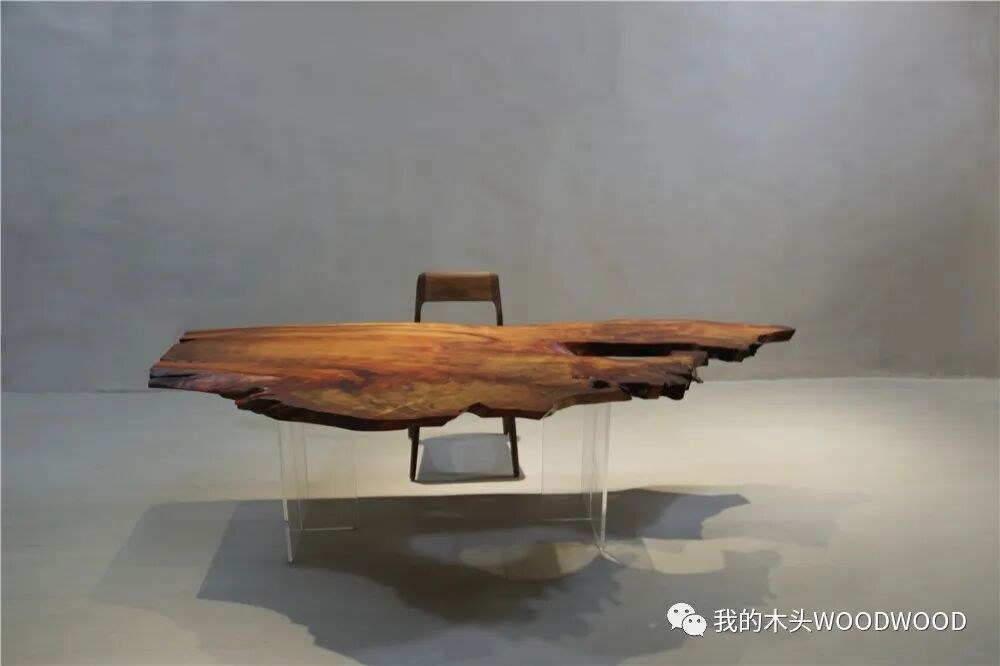
My Wood's Taiwania slabs, imported from Myanmar
Duration
00:08
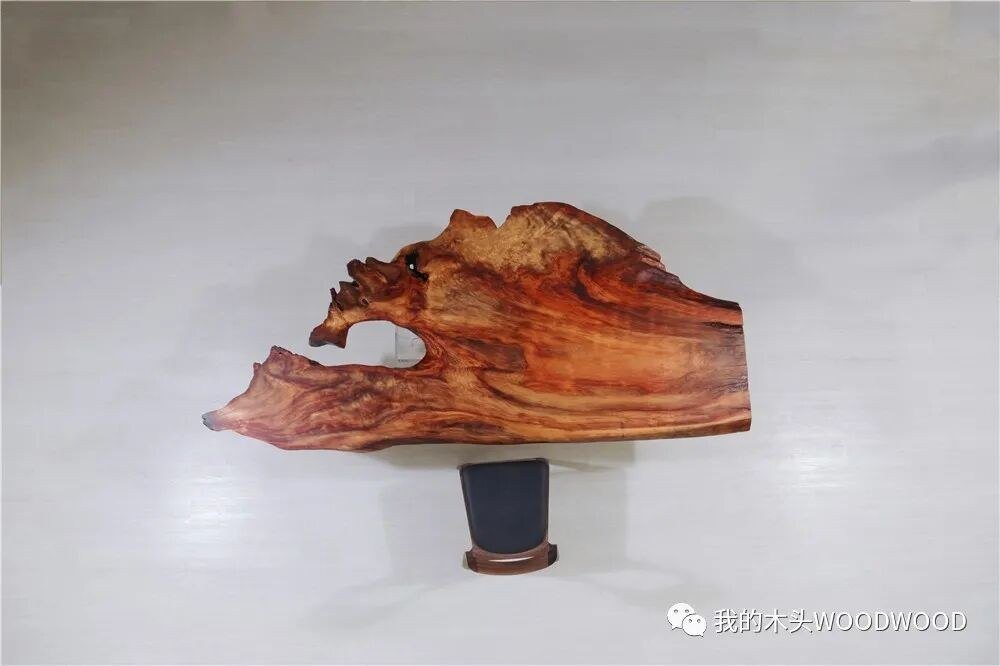
My Wood's Taiwania slabs
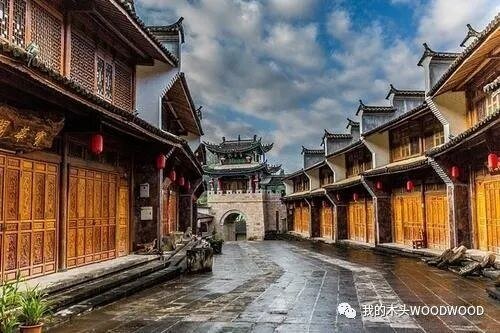
Beyond Dongyuan, it is the old town of Heshun — a short distance from Dali — that truly takes the beauty of Taiwania to its limit.
Set on the border between China and Myanmar, Heshun is rich in precious woods such as nanmu and Taiwania. Central Plains culture, Western culture, Nanzhao culture and frontier culture meet and collide here; carving techniques and painting traditions were brought into its old buildings, lending these fine woods an added radiance.
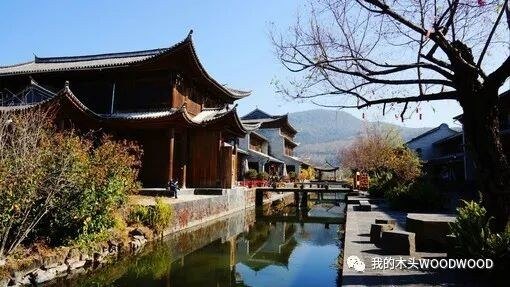
The two most famous Taiwania trees in Heshun have weathered more than 500 years of wind and rain, and are now listed in Yunnan's register of famous and ancient trees.
The “My Wood” app is now live!
My Wood app
A wide selection of products
Introductions to many wood species
Product information updated in real time, so you can shop with confidence.
Search for “My Wood” in your phone's app store.

SEELAND WOOD LTD
B Block, Southern Ninth Street, Qiaotou Town, Dongguan city, Guangdong Province, China