WHAT ARE YOU LOOKING FOR?
WHAT ARE YOU LOOKING FOR?
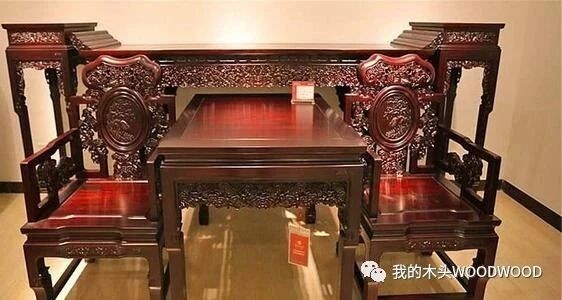
An Heirloom of Lingnan Homes — Chinese Lychee Wood
Everyone knows how good a lychee tastes; few ever speak of the beauty of its wood. Dense, water-resistant and rich in figure, Chinese lychee wood has long been a treasure of southern homes.
Everyone knows how good a lychee tastes, but the beauty of lychee wood is rarely spoken of.
Chinese name: Lychee
Latin name: L. chinensis Sonner
Genus & family: Litchi, Sapindaceae
Color: reddish brown to dark reddish brown
Air-dry density (g/cm³): 0.89–1.07
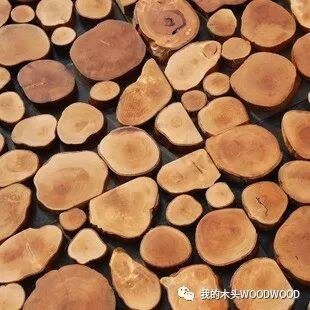
Figure: tiger stripe, snakeskin mottle, straight grain (quartersawn), cathedral peak (flatsawn)
Lychee wood comes mainly from southern, southeastern and southwestern China.
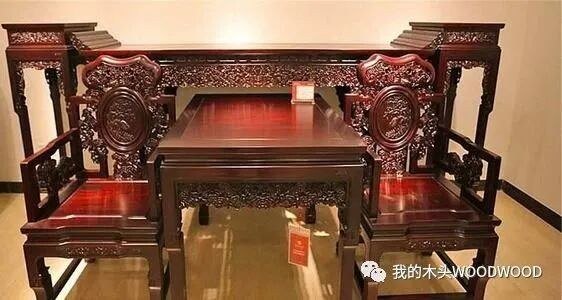
In the rainy, humid south, choosing the right wood for furniture matters. Lychee is solid and durable, unafraid of soaking, strongly resistant to acid and moisture — and with its unusual figure and graceful forms, furniture made from it is simply the first choice for southern homes.
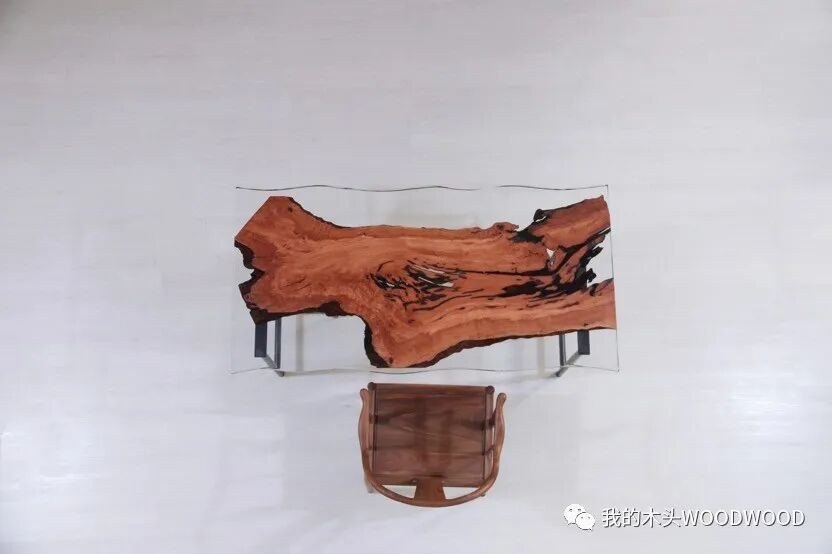
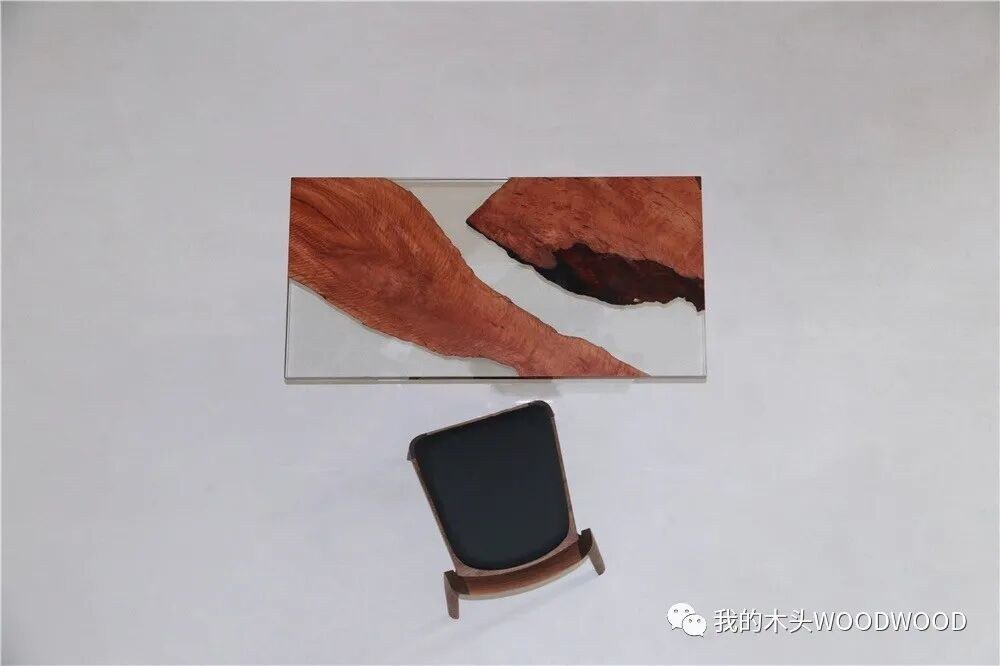
My Wood's lychee wood slab table
Economic development has taken a toll on many native lychee trees, and for a time rough workmanship and dated designs kept lychee wood in a crude, low-value state of use — a real pity.
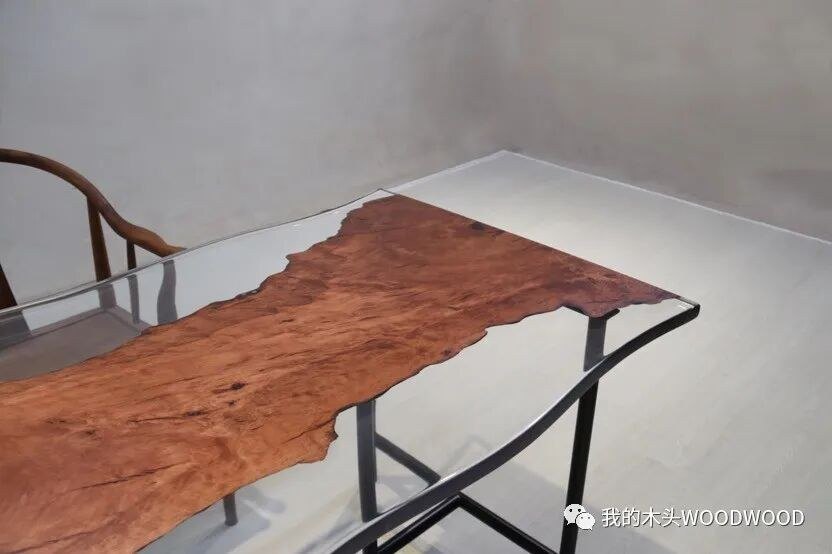
Fortunately, in recent years a number of furniture makers have brought out Ming-style lychee wood pieces, and the sensible use of this wood now looks genuinely promising.
Beyond the qualities of the wood itself, there is a historical reason for its fame: during the revolutionary wars, lychee wood was used by insurgent forces to make cannon.
The lychee-wood cannon
When the Kuomintang authorities in Qiongya launched the “party purge” massacres, Communist Party members in Wengtian township, Wenchang county, set out to solve their equipment problem. Drawing on their own carpentry skills and knowledge of weaponry, they used local materials — choosing the hardest lychee wood — and after repeated trials succeeded in building the lychee-wood cannon.
Remains from that wartime cannon now rest in a military museum, which is why people hold a special affection for lychee wood furniture.
The lychee-wood cannon on display in the former Military Museum
The advantages of lychee wood furniture
1. Strong acid resistance, rot and moisture resistant
As a subtropical species, lychee has been sun-baked and rain-soaked for generations, giving it a natural acid resistance and excellent rot resistance — and it holds termites at bay as well.
Duration
00:10
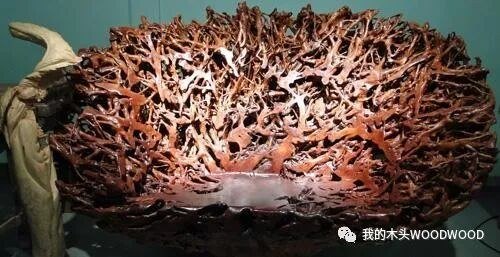
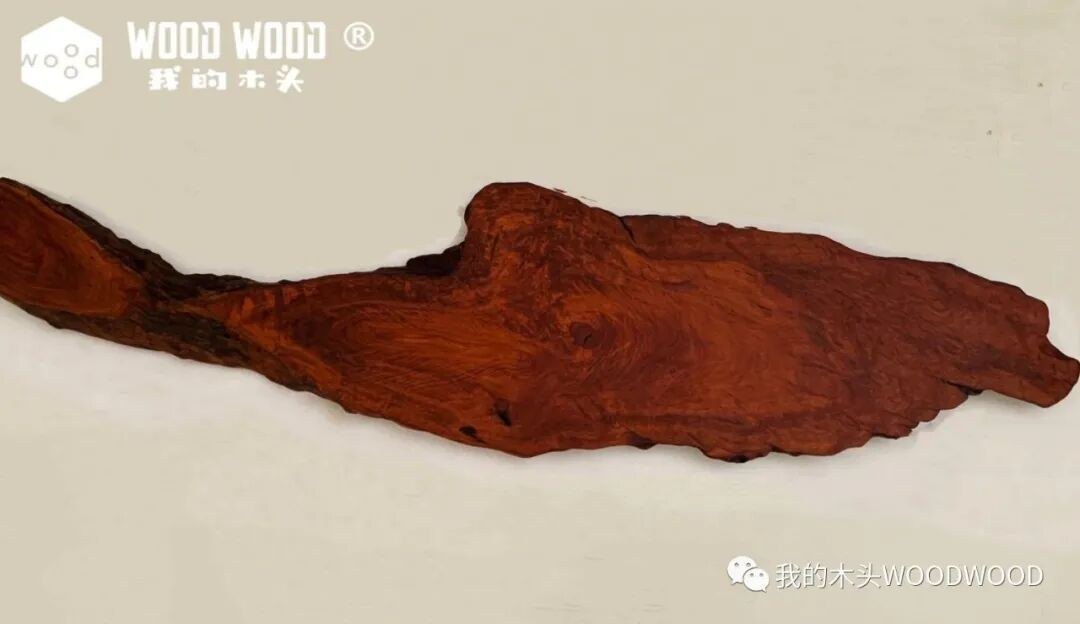
My Wood's lychee wood slabs, photographed on site
2. Wear-resistant and long-lasting
Lychee is a hardwood — dense, tough and very durable, so furniture made from it wears beautifully over the years.
3. Refined natural form
Its roots twist and turn with a natural grace, and many designers use them as raw material for furniture and objects — slab tables, root-carved tea tables and collectors' pieces among the most familiar.
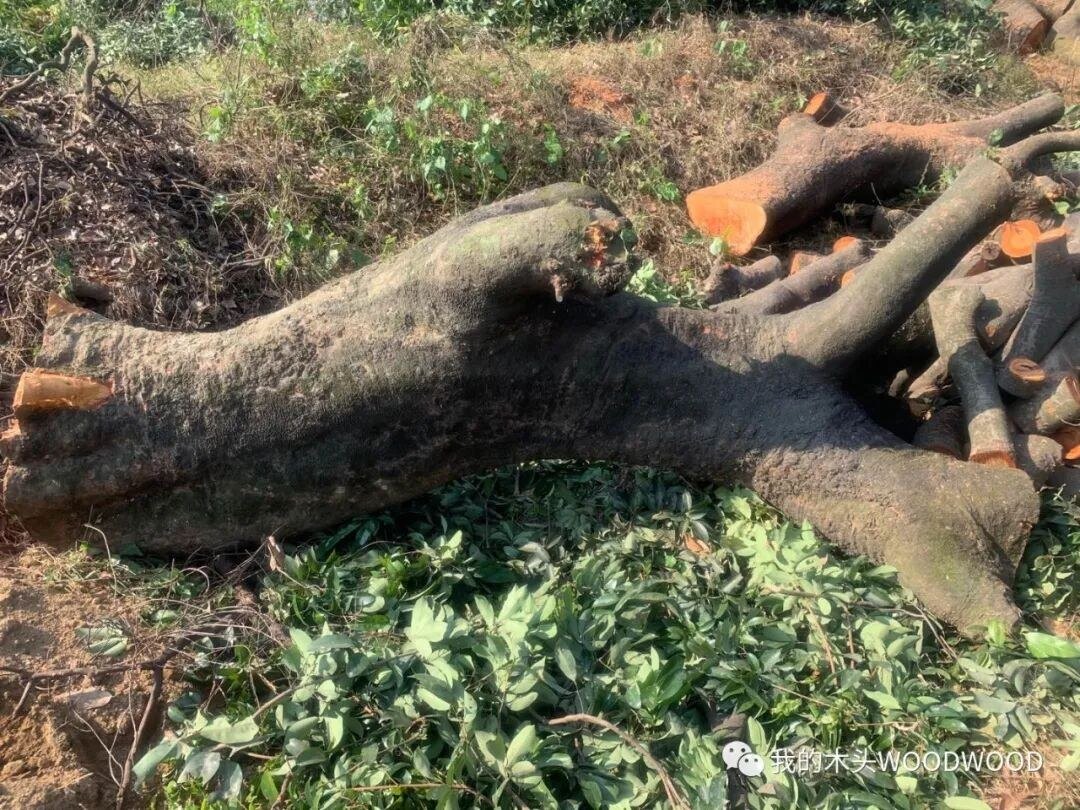
My Wood's lychee wood slabs
How to care for lychee wood furniture
1. For everyday dusting, wring out a cotton cloth in clean water and wipe. Never use thinner, gasoline or other strong solvents, which can damage the clear finish.
2. For grease marks, wipe with a little mild detergent or alcohol.
3. Never leave lychee wood furniture in direct sunlight for long periods, or the wood may crack.
Duration
00:11
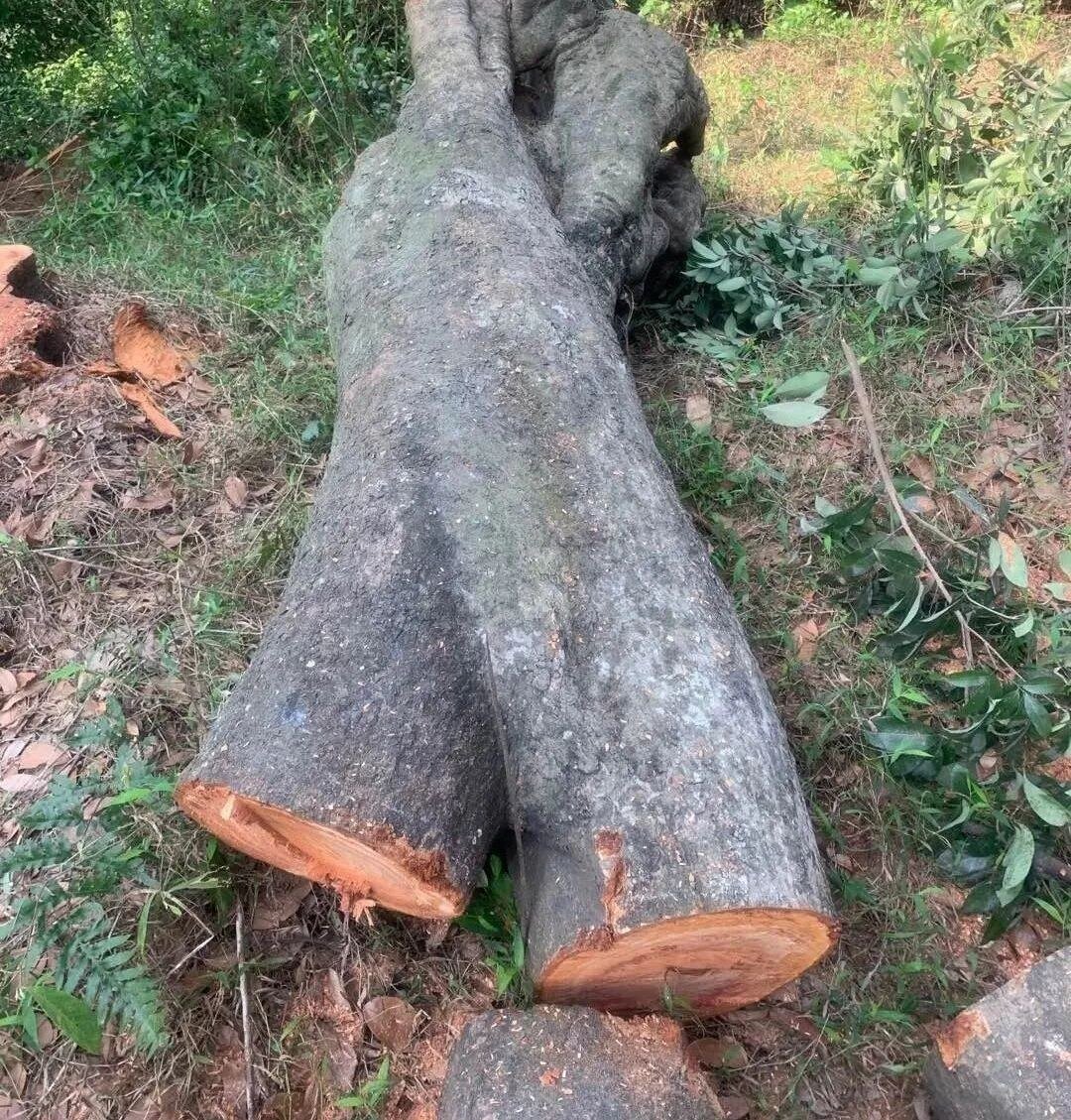
My Wood's lychee wood slabs, photographed on site
All in all, lychee wood is easy to live with — a wood that asks little and lasts. Tempted?
The “My Wood” app is now live!
My Wood app
A wide selection of products
Introductions to many wood species
Product information updated in real time, so you can shop with confidence.
Search for “My Wood” in your phone's app store.

SEELAND WOOD LTD
B Block, Southern Ninth Street, Qiaotou Town, Dongguan city, Guangdong Province, China