WHAT ARE YOU LOOKING FOR?
WHAT ARE YOU LOOKING FOR?
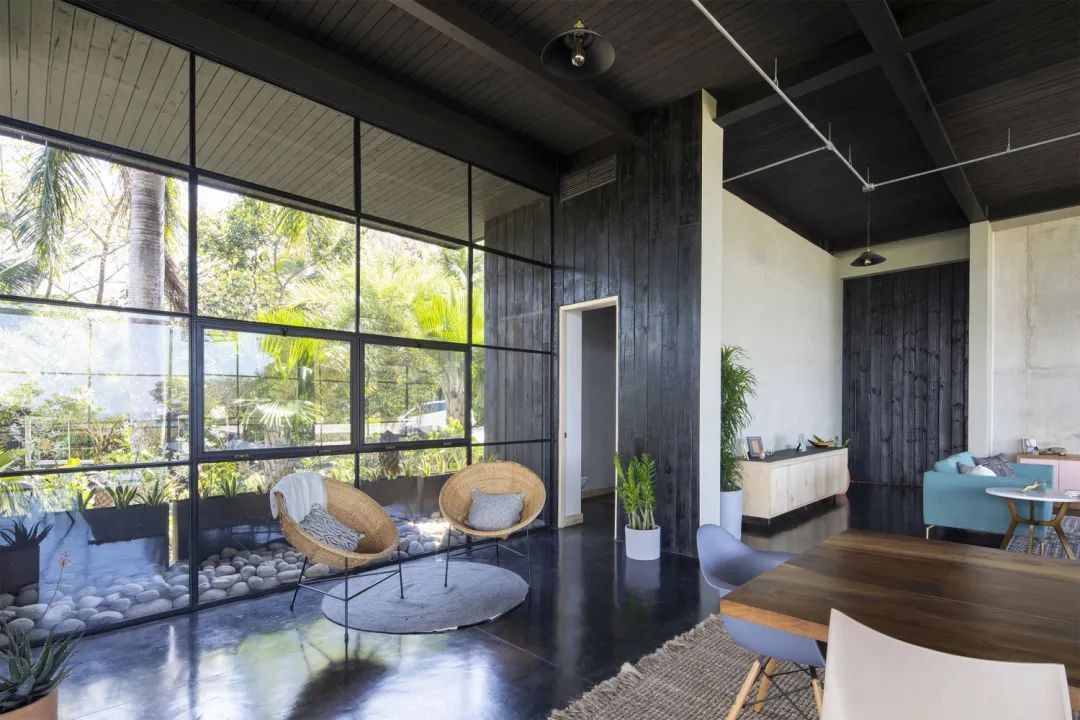
Aged Like New, Utterly Tropical — Central American Teak
Rare solid wood slabs, made to order. Teak is an old friend in Chinese interiors, but with so many origins on the market, people often mix them up.
Bespoke Rare Solid Wood Slabs
Teak is an old friend in Chinese interiors — though because it comes from so many places, people often mix the origins up.
Also called rouge tree, bloodwood and maili, teak is planted widely in Indonesia, Thailand and Myanmar, and it turns up too across Central America, Costa Rica and Panama.

The most famous Burmese teak finished work in China is Jing'an Temple in Shanghai, fitted out entirely in it; the wood's oiliness and resistance to rot have kept the old temple looking new for a thousand years.
Central American teak keeps a lower profile. The name may be less familiar, but that has hardly stopped it from shining in the world of wood.
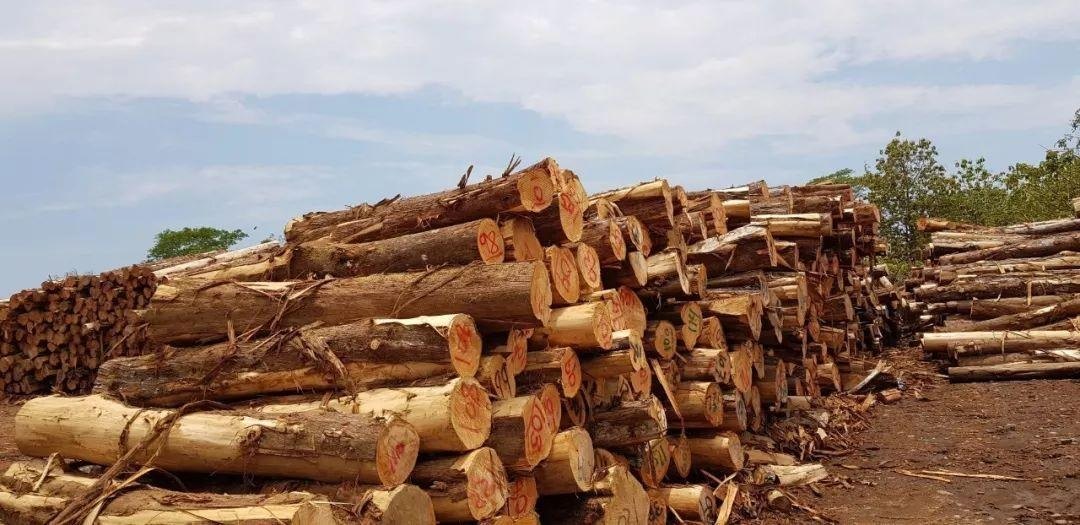
It grows mainly in eastern Costa Rica near the Caribbean, where the year divides into just two seasons, wet and dry, sharply contrasted, and the temperature runs high. Wood, as a rule, moves less where conditions are harsher.
Grown in that climate of extremes, Central American teak has a clear edge in toughness and oil content.
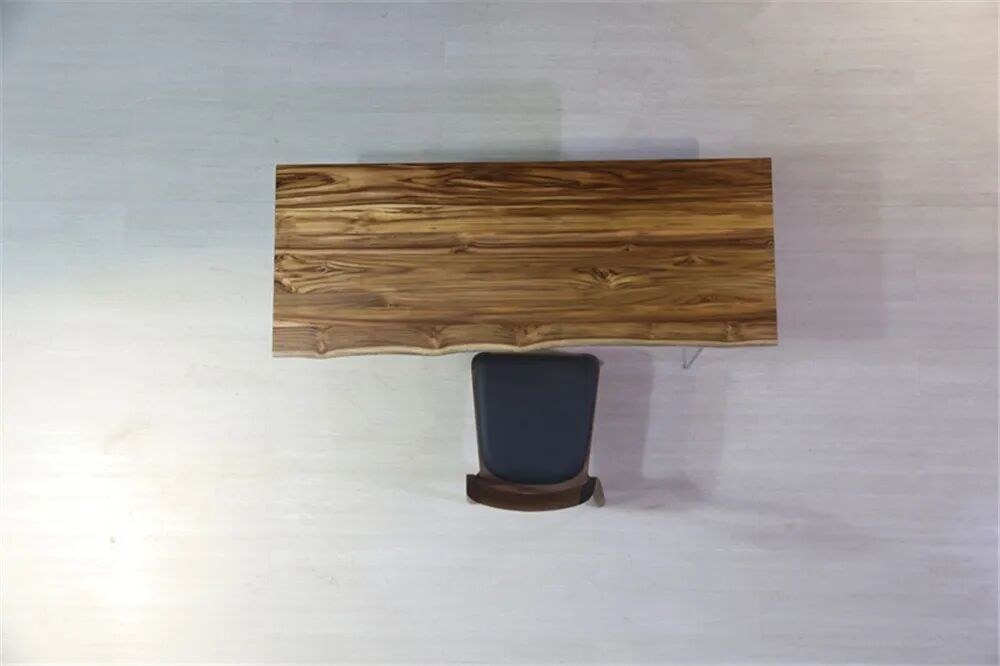
Central American teak only reached the Chinese market in 2013 and is used mainly for high-end interiors and carved art, yet European royal interiors employed it long ago — a tree with connections, you might say.
Chinese name: Central American Teak
Foreign name: Teak
Latin name: Tectona grandis L.F.
Binomial: Tectona grandis
Genus: Tectona
Species: Teak
Distribution: Central America / Costa Rica / Panama
Why Central American Teak Excels
1. It resists both water and fire.
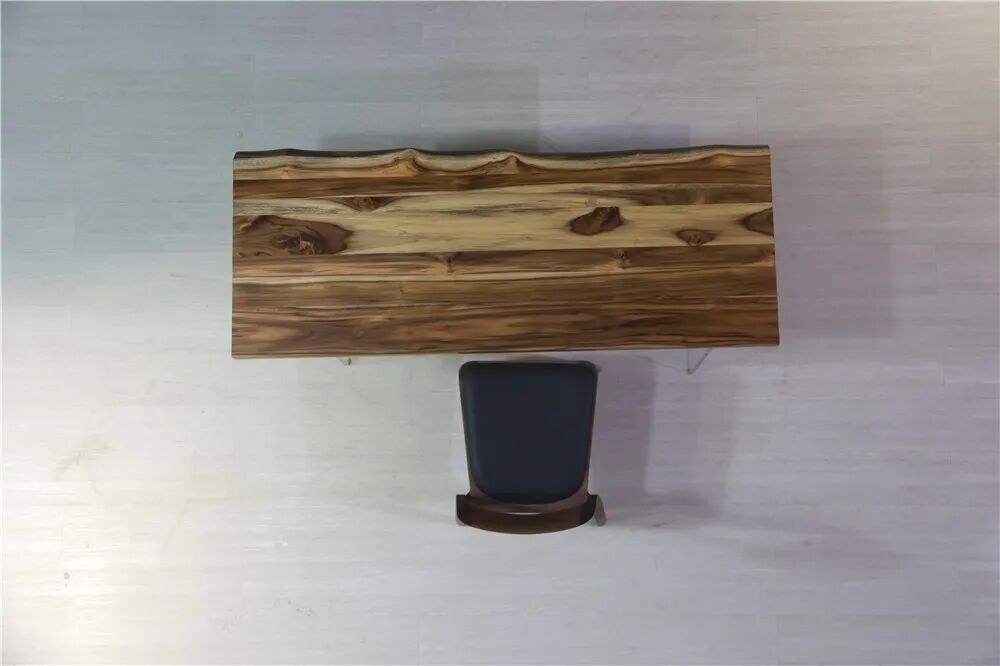
2. Remarkably rot-resistant, it stands off termites and the marine borers of different seas.
3. It dries well, and takes glue, lacquer and wax superbly.
“My Wood” Central American Teak Slab Table
4. It holds nails and screws well, but the silica in the wood dulls blades and makes cutting difficult, so the work demands real skill.
5. Utilisation runs as high as 50%. Properly treated, it holds its colour and shape for two or three hundred years against wind, rain and sun.
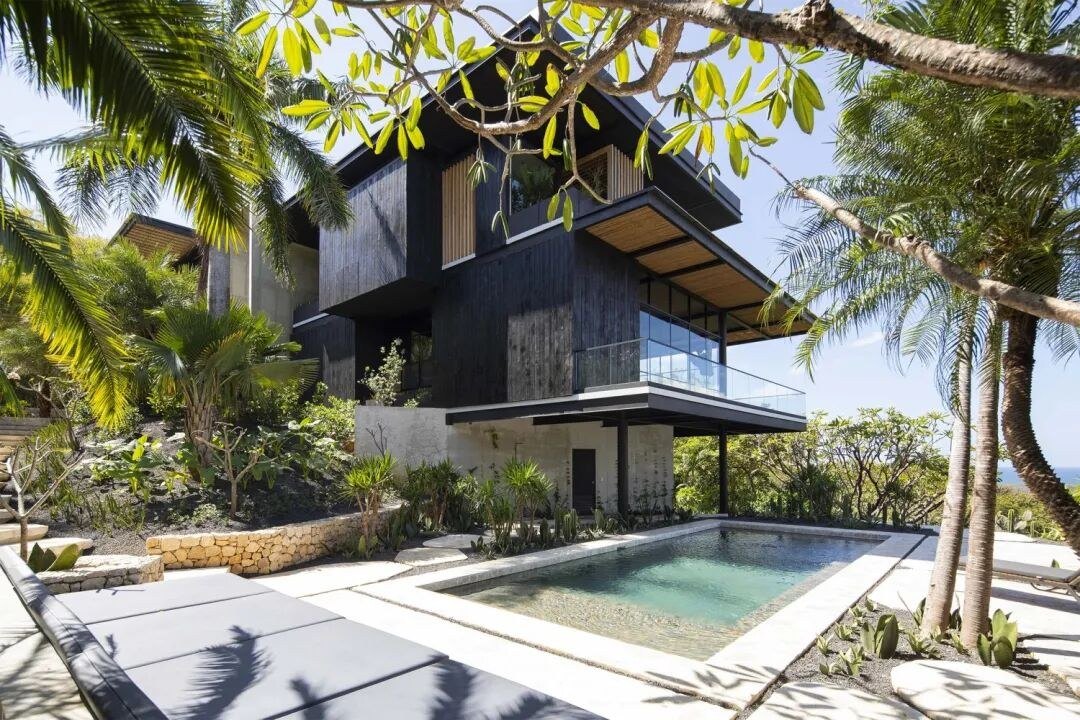
In Costa Rica it is prized as a quality, sustainable material and often goes into the structure and fittings of high-end buildings.
Take this hilltop house by Studio Saxe.
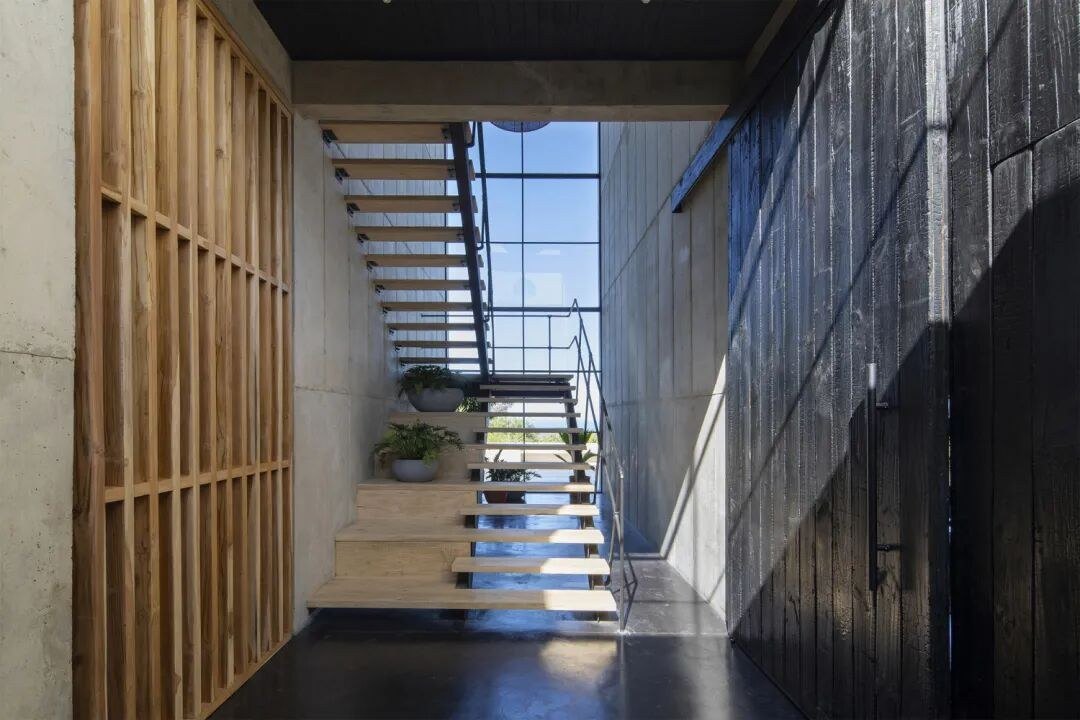
Given the load-bearing capacity of the local soil and Costa Rica's frequent earthquakes, the structure pairs a light steel frame with Central American teak.
Traditional charring and a special natural oil treatment greatly extend the working life of the wood.
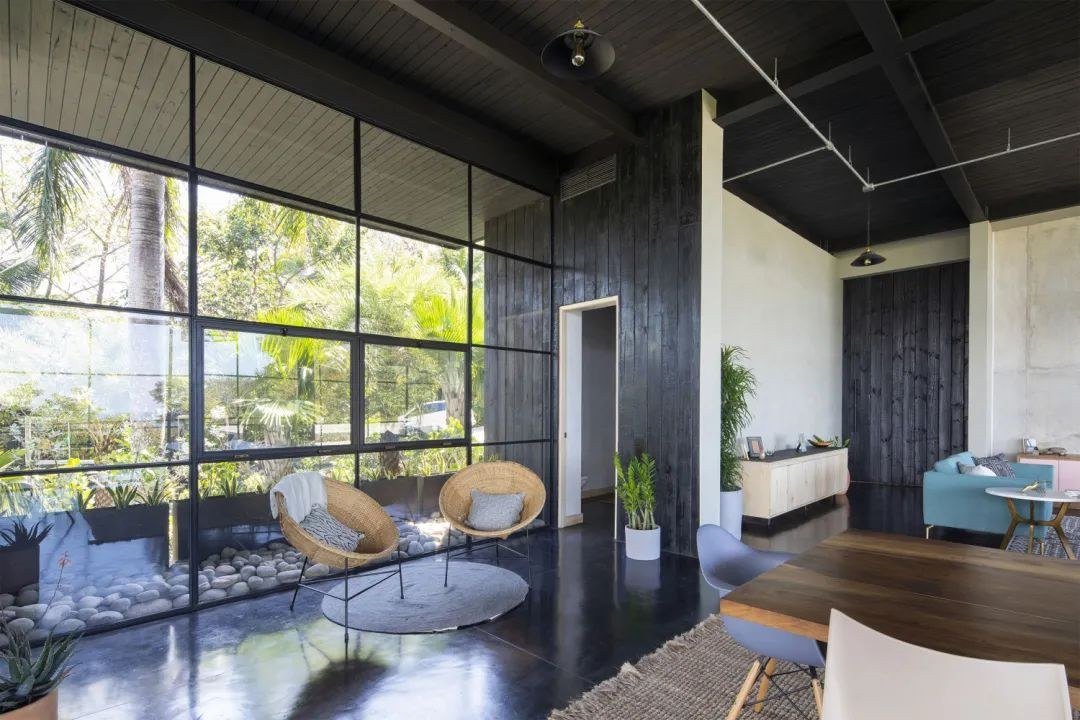
Soft interior spaces set against charred teak and black-framed full-height glazing: the result is a house at once tropical and timeless.
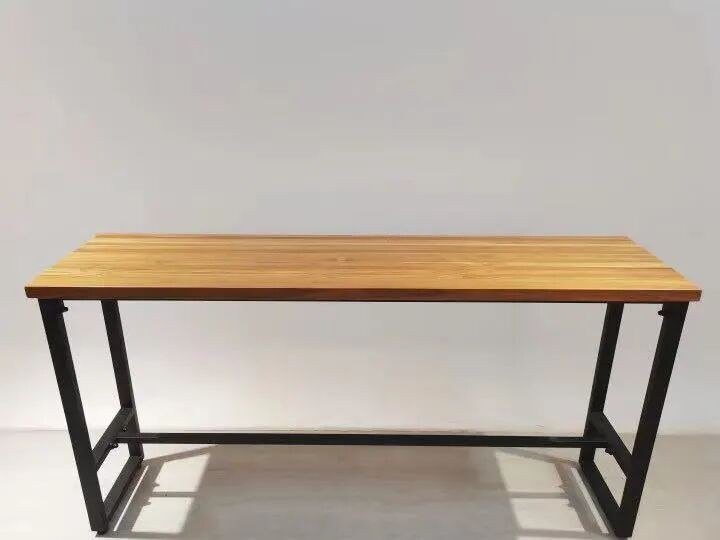
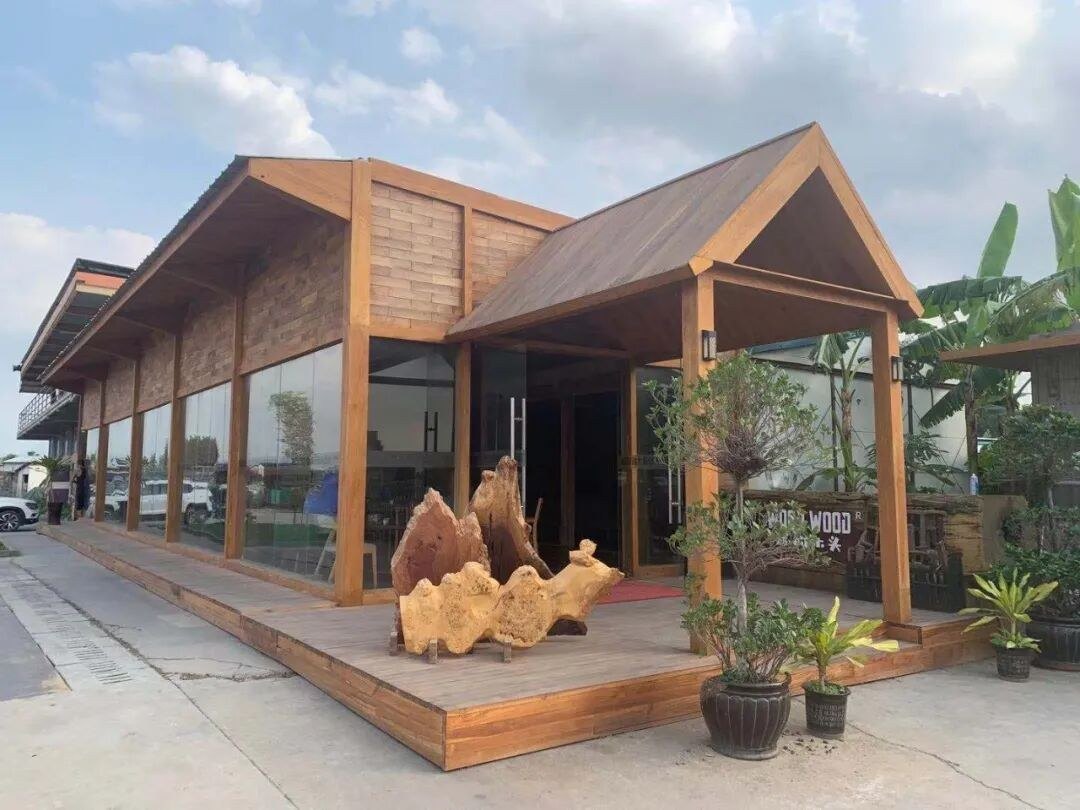
The My Wood Showroom, Clad in Central American Teak
Slabs are not the only way we use this wood.
The roof and floor outside the shop are both teak — rot-resistant, hard-wearing, quietly elegant, with a sheen that stays new.
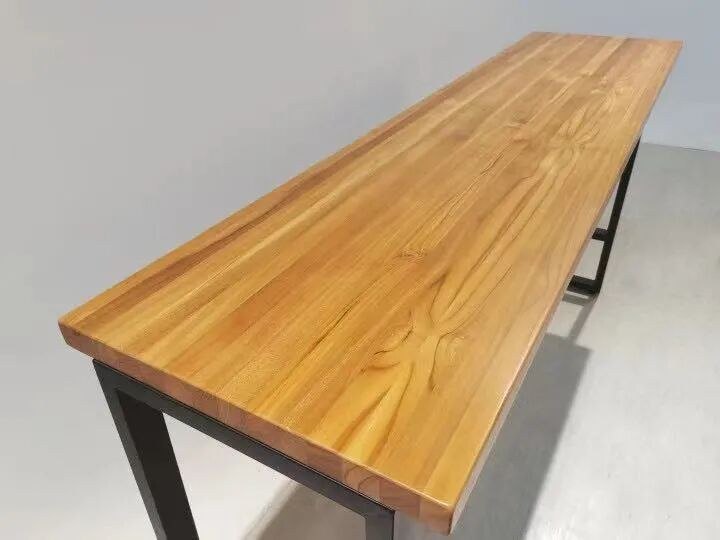
“My Wood” Bespoke Teak Bar Counter
Because it comes from plantation stock with small diameters, the tops are made from joined boards.
Central American Teak Against Other Teaks
1. Grain: South American and Southeast Asian teak can look busy; Central American teak is more even, finer and more graceful.
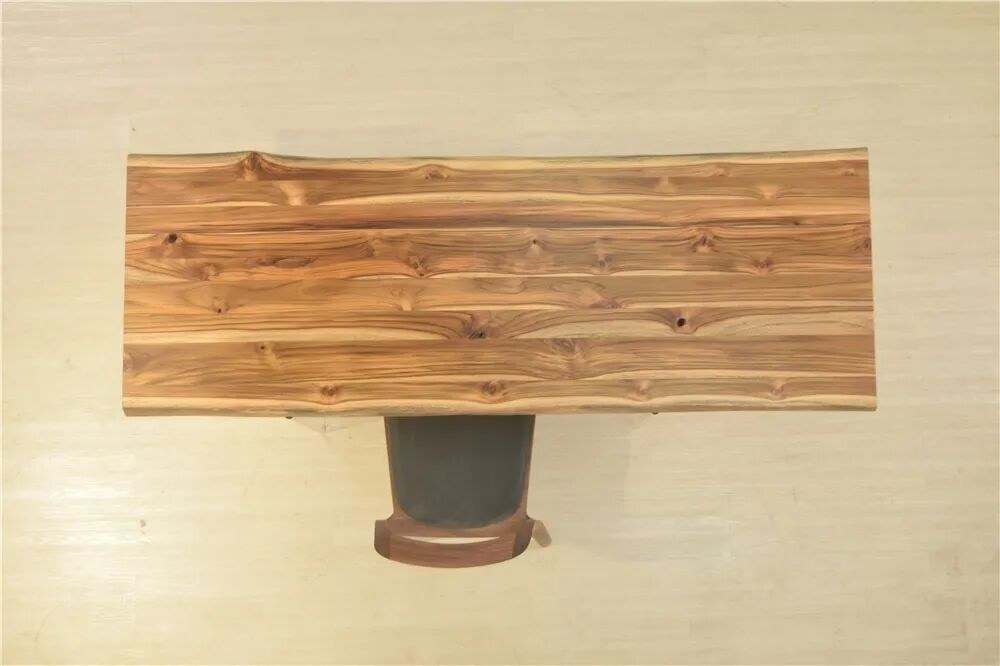
2. Strength and toughness: raised in a more demanding climate, it matches Thai teak in strength — and then some.
“My Wood” Central American Teak Slab Table
The best of this wood is best taken slowly. Come and see it up close at My Wood.

SEELAND WOOD LTD
B Block, Southern Ninth Street, Qiaotou Town, Dongguan city, Guangdong Province, China